
Portfolio tracking apps help you see holdings, performance, and account activity without piecing everything together manually. My best overall pick is My Stocks Portfolio for investors focused on organizing stock holdings, while Crypto Portfolio Visualizer and Build Your Own Multi-Broker Portfolio Analyzer App stand out for crypto analysis and custom, multi-account tracking. The main tradeoff is convenience versus control: automated quotes and account connections can save time, while manual logs or customizable tools can offer more oversight but demand more upkeep. Not every app covers stocks, crypto, and multiple brokers equally well. Read on for the full breakdown and a guide to matching an app to the way you invest.

Get smart everyday buys delivered free with Prime
- Fast, free delivery on millions of items
- Prime Video, Amazon Music and more included
- Member-only deals all year
Key Takeaways
- The strongest options serve distinct portfolios: My Stocks Portfolio is the stock-focused pick, Crypto Portfolio Visualizer suits crypto analysis, and the DIY multi-broker analyzer is aimed at users who want to shape their own tracking setup.
- Asset coverage matters more than a long feature list: A tracker built around stocks may be a poor fit if crypto makes up a large share of your holdings.
- Automation and control pull in different directions: Quote-focused apps can reduce routine updates, while an investment log book or DIY analyzer may require more input but offer more control over records.
- Real-time market information is not the same as full portfolio tracking: StockSpy and Real-Time Stock Tracker foreground quotes and market monitoring, so buyers should check whether their preferred workflow includes holdings and performance records.
- The right choice depends on how much maintenance you accept: Dedicated trackers emphasize ready-made monitoring, while a build-your-own analyzer and a log book make sense for users willing to manage more of the process themselves.
| Crypto Portfolio Visualizer |  | Best for Crypto-Focused Visual Portfolio Review | Product type: Crypto portfolio visualizer | Asset focus: Cryptocurrency | Primary stated function: Portfolio visualization | VIEW LATEST PRICE | See Our Full Breakdown |
| My Stocks Portfolio |  | Best for a Straightforward Stock-Holdings List | Product type: Stock portfolio app | Asset focus: Stocks | Portfolio management: Implied by product name; specific tools not provided | VIEW LATEST PRICE | See Our Full Breakdown |
| Smart Stock |  | Best for Stock Alerts and Home-Screen Glances | Product type: Stock tracking app | Asset focus: Stocks | Tracking: Stock tracking stated | VIEW LATEST PRICE | See Our Full Breakdown |
| StockSpy: Real-Time Stock Market Portfolio, Quotes & Charts |  | Best for Quotes, Charts, and Portfolio in One App | Product type: Stock market portfolio app | Asset focus: Stocks | Quotes: Stock quotes included | VIEW LATEST PRICE | See Our Full Breakdown |
| Real-Time Stock Tracker |  | Best for a Basic Real-Time Stock-Watch Workflow | Product type: Stock tracker | Asset focus: Stocks | Tracking: Stock tracking stated | VIEW LATEST PRICE | See Our Full Breakdown |
| My Portfolio |  | Best for Simple Portfolio Logging | Product name: My Portfolio | ASIN: B0051HAYZS | Product category: Portfolio tracking app | VIEW LATEST PRICE | See Our Full Breakdown |
| Build Your Own Multi-Broker Portfolio Analyzer App |  | Best for DIY Multi-Broker Analysis | Format: Guide to building an app | Series: Build Tools with AI | Book number: 2 | VIEW LATEST PRICE | See Our Full Breakdown |
| Minimalist Investment Tracker: Portfolio and Investment Log Book | 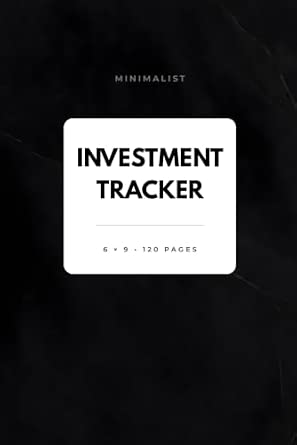 | Best for Offline, Handwritten Tracking | Format: Investment tracker log book | ASIN: B0H72X3VWS | Assets tracked: Stocks and ETFs | VIEW LATEST PRICE | See Our Full Breakdown |
| Crypto Portfolio Tracker |  | Best for Crypto-Focused Tracking | Product name: Crypto Portfolio Tracker | ASIN: B09YYYRQSV | Product category: Portfolio tracking app | VIEW LATEST PRICE | See Our Full Breakdown |
| portfolio tracking app | Product type | Asset focus |
|---|---|---|
| Crypto Portfolio Visualizer | Crypto portfolio visualizer | Cryptocurrency |
| My Stocks Portfolio | Stock portfolio app | Stocks |
| Smart Stock | Stock tracking app | Stocks |
| StockSpy: Real-Time Stock Mark | Stock market portfolio app | Stocks |
| Real-Time Stock Tracker | Stock tracker | Stocks |
| My Portfolio | — | — |
| Build Your Own Multi-Broker Po | — | — |
| Minimalist Investment Tracker: | — | — |
| Crypto Portfolio Tracker | — | — |
More Details on Our Top Picks
Crypto Portfolio Visualizer
Crypto Portfolio Visualizer is the clearest fit here for someone who wants a visual view of crypto holdings rather than a general stock tracker. The supplied information identifies its crypto-portfolio focus, but does not confirm supported exchanges, wallet connections, performance metrics, or update frequency. That makes it harder to judge how much tracking work it can automate. Compared with Crypto Portfolio Tracker, another crypto-specific option in this roundup, there is not enough detail to distinguish their integrations or reporting depth. It is also less clearly suited to mixed stock-and-crypto portfolios than StockSpy, which is described as including stock quotes, charts, and portfolio management. I would shortlist this app only if visual crypto organization is the main need and its actual data sources match your holdings.
Pros:- Dedicated crypto portfolio focus
- Visual presentation is indicated by the product name and description
- Could suit investors who prefer a holdings overview to a general stock-tracking interface
Cons:- No supported coins, exchanges, or wallet connections are specified
- No performance, alert, or data-refresh details are provided
- Its practical advantage over Crypto Portfolio Tracker is unclear from the available information
Best for: Crypto investors who mainly want a visual overview of their holdings and are willing to verify supported assets and data connections before relying on the app.
Not ideal for: Investors who need confirmed wallet or exchange syncing, detailed performance reporting, or one dashboard for both stocks and crypto; those capabilities are not specified.
- Product type:Crypto portfolio visualizer
- Asset focus:Cryptocurrency
- Primary stated function:Portfolio visualization
- Stock tracking:Not specified
- Exchange or wallet connections:Not specified
- Supported cryptocurrencies:Not specified
Our verdict“Choose it if you want a crypto-centered visual overview, but verify asset support and data syncing before making it your main tracker.”
My Stocks Portfolio
My Stocks Portfolio earns a place as a potential no-frills choice for people whose tracking needs center on stock holdings. The product name signals a portfolio focus, but the supplied listing gives no details about quotes, charts, alerts, or automatic brokerage connections, so I cannot treat those as confirmed features. That uncertainty sets it apart from StockSpy: Real-Time Stock Market Portfolio, Quotes & Charts, whose description explicitly includes quotes, charts, and portfolio management. It may also be less useful than Smart Stock for anyone prioritizing widgets or alerts, since those functions are named for that app. My Stocks Portfolio makes the most sense as a simple candidate to investigate, not as a proven analytics tool; buyers should check whether it supports their required update and record-keeping workflow.
Pros:- Product name indicates a stock-portfolio focus
- May appeal to buyers seeking a dedicated stock-tracking app rather than a broad finance tool
- Keeps the stated scope centered on stocks rather than crypto
Cons:- No information confirms quote timing or chart availability
- Brokerage connections, alerts, and portfolio analytics are not specified
- Less feature clarity than StockSpy, whose listing names quotes and charts
Best for: Individual stock investors who want to investigate a focused portfolio app and do not need confirmed charting, alerts, or brokerage syncing.
Not ideal for: Active traders or hands-off investors who need documented real-time quotes, push alerts, or automatic account connections.
- Product type:Stock portfolio app
- Asset focus:Stocks
- Portfolio management:Implied by product name; specific tools not provided
- Stock quotes:Not specified
- Charts:Not specified
- Alerts:Not specified
Our verdict“Consider it for a stock-only tracking workflow if its current feature set covers your needs, but choose a better-documented app when quotes or analytics matter.”
Smart Stock
Smart Stock is the most clearly oriented toward quick stock checks in this group: its description specifically names tracking, a widget, and alerts. A widget can make watchlist information easier to scan without opening a full portfolio dashboard, while alerts may help users follow selected stocks between check-ins. Those features give it a different role from My Stocks Portfolio, which has no confirmed widget or alert details, and a narrower stated emphasis than StockSpy, which is described with charts and portfolio management. The tradeoff is that no information explains alert types, widget content, quote timing, or whether it supports detailed holdings analysis. I would favor it for glanceable monitoring, not assume it can replace a full portfolio-performance tool.
Pros:- Stock tracking is explicitly stated
- Includes a widget for at-a-glance access
- Alerts are part of the described feature set
- Offers a more monitoring-oriented role than My Stocks Portfolio
Cons:- Alert types and customization are not described
- Widget data and refresh frequency are unspecified
- No details confirm advanced portfolio analytics or account syncing
Best for: Stock investors who want a home-screen glance at selected holdings and alerts for monitored stocks.
Not ideal for: Investors who need confirmed brokerage syncing, detailed portfolio performance, or robust charting rather than quick monitoring.
- Product type:Stock tracking app
- Asset focus:Stocks
- Tracking:Stock tracking stated
- Widget:Included according to description
- Alerts:Included according to description
- Charts:Not specified
- Brokerage connections:Not specified
Our verdict“Pick Smart Stock for widget-based checks and alerts, but look elsewhere if portfolio analysis is your main requirement.”
StockSpy: Real-Time Stock Market Portfolio, Quotes & Charts
StockSpy is the strongest documented all-in-one stock option in this batch because its description names three relevant jobs: viewing quotes, reading charts, and managing a portfolio. That combination can help an investor move from checking a holding to examining its price history without switching apps. Compared with Smart Stock, which is specifically described with widgets and alerts, StockSpy’s stated advantage is charting and portfolio management rather than glanceable notifications. The limitation is that the listing does not explain which markets it covers, how “real-time” data is delivered, or whether holdings sync automatically. It is a more substantiated choice than My Stocks Portfolio for buyers who want quotes and charts, but anyone relying on live data or account linking should confirm those details first.
Pros:- Combines portfolio management with stock quotes
- Includes stock charts
- Covers more explicitly stated stock-tracking tasks than My Stocks Portfolio
- Offers a chart-focused alternative to Smart Stock’s widget-and-alert emphasis
Cons:- Market coverage and quote-update conditions are not detailed
- Automatic brokerage or account syncing is not specified
- No details are provided about portfolio analytics or alert customization
Best for: Self-directed stock investors who want quotes, charts, and portfolio management together in one app.
Not ideal for: Investors who need verified brokerage syncing, confirmed market coverage, or dependable live-data terms before choosing a tracker.
- Product type:Stock market portfolio app
- Asset focus:Stocks
- Quotes:Stock quotes included
- Charts:Stock charts included
- Portfolio management:Included
- Real-time data:Claimed in product title; delivery terms not provided
- Brokerage connections:Not specified
Our verdict“Choose StockSpy if quotes, charts, and portfolio management are your priorities, after confirming its data timing and account-linking options.”
Real-Time Stock Tracker
Real-Time Stock Tracker is aimed at investors who want to monitor stock movements, with real-time tracking stated in its description. That focus is narrower than StockSpy, which also lists charts and portfolio management, so this app may suit someone checking stocks more than organizing a detailed portfolio. The product details do not say how real-time updates are delivered, whether users can create alerts, or whether holdings sync from a brokerage. Those gaps matter if you plan to make trading decisions from the displayed data. Compared with Smart Stock, it has no confirmed widget or alert features, while Smart Stock at least names both. I would treat this as a basic tracking candidate and verify its quote sources and portfolio tools before depending on it.
Pros:- Stock tracking is the stated purpose
- Real-time tracking is claimed in the product description
- Narrow focus may suit users seeking a simple stock-monitoring tool
Cons:- Quote sources and update timing are not explained
- No chart, widget, or alert features are confirmed
- Portfolio organization and brokerage syncing are not specified
Best for: Stock holders who want a dedicated tracking app for monitoring stock movements and do not need confirmed portfolio analytics.
Not ideal for: Investors who need documented alerts, charting, brokerage syncing, or clear terms for live quote updates.
- Product type:Stock tracker
- Asset focus:Stocks
- Tracking:Stock tracking stated
- Update timing:Described as real-time; technical details not provided
- Charts:Not specified
- Alerts:Not specified
Our verdict“Consider it for basic stock monitoring, but choose StockSpy for a better-documented mix of quotes, charts, and portfolio management.”
My Portfolio
My Portfolio is a cautious pick for readers who want a straightforward portfolio-tracking option, but the available product information gives little detail about its functions. That makes it harder to judge whether it offers features such as performance charts, dividend records, or account syncing. Compared with My Stocks Portfolio and StockSpy: Real-Time Stock Market Portfolio, Quotes & Charts, neither of which has detailed information in this listing either, there is no verified basis to claim it offers more advanced analysis. Its possible appeal is simplicity, but that is an inference rather than a confirmed feature. The missing description and specifications are meaningful drawbacks: buyers who need a clear picture of supported assets or tracking tools should choose an option with documented capabilities instead.
Pros:- A portfolio-tracking option for readers to investigate
- May suit buyers who prefer a simple tool over a feature-heavy alternative
- Can be compared with other stock-focused options in the roundup
Cons:- No product description is provided to establish what it tracks
- No specifications confirm supported assets or tracking features
- Buyers cannot judge its analysis or data-import capabilities from the available information
Best for: Readers seeking a potentially simple portfolio tracker who are comfortable verifying the app’s functions before relying on it
Not ideal for: Investors who need confirmed support for specific asset types, account syncing, charts, or dividend tracking
- Product name:My Portfolio
- ASIN:B0051HAYZS
- Product category:Portfolio tracking app
- Description provided:None
- Tracking features:Not specified
- Supported assets:Not specified
Our verdict“Choose My Portfolio only if you can confirm its tracking features independently and want a potentially simple alternative to StockSpy.”
Build Your Own Multi-Broker Portfolio Analyzer App
Build Your Own Multi-Broker Portfolio Analyzer App takes a different route from ready-made trackers such as My Stocks Portfolio: it is a guide to building an AI-assisted app, not a finished portfolio app. Its stated focus is useful for investors whose holdings are scattered across brokers, funds, and RSU statements, since a custom tool could bring those records into one analysis. That flexibility comes with work, though. Readers need to build the app and assess whether the book gives enough detail to do so; the available information does not establish its technical depth, required tools, or the quality of its instructions. Compared with a plug-in-and-track product, this is better suited to technically curious readers who value customization over convenience. Those wanting immediate portfolio monitoring should look elsewhere.
Pros:- Targets consolidating information from multiple brokers and funds
- Includes RSU statements in its stated portfolio-analysis scope
- Covers an AI-assisted app-building approach
- Offers a customization path unlike ready-made trackers such as My Stocks Portfolio
Cons:- The reader must build an app rather than start tracking immediately
- Available details do not establish the book’s depth or level of technical guidance
- Required tools, data security practices, and supported integrations are unspecified
Best for: Technically curious investors with accounts at multiple brokers and fund or RSU records who want to build a custom analysis tool
Not ideal for: Investors seeking a ready-to-use app, automatic account connections, or a clearly documented step-by-step build process
- Format:Guide to building an app
- Series:Build Tools with AI
- Book number:2
- ASIN:B0HD2K5FQV
- Approach:AI-assisted app building
- Data sources covered:Broker, fund, and RSU statements
- Intended outcome:Unified portfolio analysis
Our verdict“Pick this guide if you want to build a tailored multi-broker analyzer and are willing to trade convenience for customization.”
Minimalist Investment Tracker: Portfolio and Investment Log Book
Minimalist Investment Tracker is a paper log book, not a digital app, so it fits readers who prefer recording holdings by hand over syncing accounts or checking live updates. Its stated coverage includes stocks, ETFs, dividends, profit and loss, and wealth growth, giving it a broader tracking scope than a basic holdings list. Unlike Crypto Portfolio Visualizer, this book’s appeal is deliberate, manual recordkeeping rather than digital portfolio views. That approach can make planning feel organized, but it also means entries must be maintained by the owner and calculations may need to be done manually. The listing does not provide its page count, dimensions, or layout, so buyers cannot tell how much space each holding gets or whether the format suits long-term use.
Pros:- Covers both stocks and ETFs
- Includes dividend and profit-and-loss records
- Supports wealth-growth monitoring and financial planning
- Provides an offline alternative to digital tools such as Crypto Portfolio Visualizer
Cons:- Manual entries cannot provide automatic account syncing or live portfolio updates
- Page count and physical dimensions are not provided
- The layout and tracking sections are not described
Best for: Investors who hold stocks and ETFs and want a paper-based record of dividends, gains, and financial goals
Not ideal for: People who want automatic price updates, account syncing, digital charts, or a documented page layout before buying
- Format:Investment tracker log book
- ASIN:B0H72X3VWS
- Assets tracked:Stocks and ETFs
- Income tracking:Dividends
- Performance tracking:Profit and loss
- Wealth tracking:Wealth growth
- Planning:Financial planning
- Page count and dimensions:Not specified
Our verdict“Choose this log book if you want hands-on, offline tracking and do not need the automation of a digital portfolio tool.”
Crypto Portfolio Tracker
Crypto Portfolio Tracker appears aimed at cryptocurrency investors, which would give it a narrower role than broad stock-oriented options such as My Stocks Portfolio. But the listing provides no description or specifications, so even its supported coins, exchange connections, and tracking functions are unconfirmed. That lack of detail matters more for crypto than for a simple manual log: buyers may need to know whether the tool handles multiple wallets, transaction history, or portfolio performance before trusting it with a view of their holdings. The title signals a crypto focus, but it does not establish what the product actually does. Compared with the paper-based Minimalist Investment Tracker, this may be more relevant to digital-asset owners, yet the available information is too thin to confirm a practical advantage.
Pros:- Its title signals a focus on cryptocurrency portfolios
- May suit digital-asset holders better than a stocks-and-ETF log book
- Provides a distinct potential niche alongside broader stock-tracking options
Cons:- No description confirms which cryptocurrencies it supports
- No specifications establish wallet or exchange connections
- Tracking, reporting, and portfolio-analysis features are not documented
Best for: Cryptocurrency investors willing to verify supported assets and tracking capabilities before choosing a tool
Not ideal for: Buyers who need confirmed exchange or wallet connections, transaction tracking, or documented portfolio analytics
- Product name:Crypto Portfolio Tracker
- ASIN:B09YYYRQSV
- Product category:Portfolio tracking app
- Stated focus:Cryptocurrency portfolio tracking
- Description provided:None
- Supported cryptocurrencies:Not specified
- Wallet and exchange support:Not specified
Our verdict“Consider this only if you specifically want a crypto-focused tracker and can confirm its supported assets and features first.”

How We Picked
I compared the nine options by how well they match the core job of a portfolio tracker: keeping holdings organized and making performance easier to follow. I weighed asset focus, the apparent balance between portfolio records and market information, usability for different experience levels, and how much ongoing manual work a setup may involve. I also considered whether each option is designed for a specific job—such as crypto visualization, stock monitoring, or custom multi-broker analysis—rather than treating every app as a direct substitute.
The ranking favors clear portfolio-tracking fit and a practical balance of coverage, usability, and control. Options centered on quotes or a single asset class have narrower roles, even when that focus may suit the right investor. A DIY analyzer and a paper-style investment log book rank for specialized needs rather than ready-made convenience. Since the product names alone do not establish current integrations, supported assets, or update schedules, I frame those as checks buyers should make before choosing rather than assume they are included.
| portfolio tracking app | Product type | Asset focus |
|---|---|---|
| Crypto Portfolio Visualizer | Crypto portfolio visualizer | Cryptocurrency |
| My Stocks Portfolio | Stock portfolio app | Stocks |
| Smart Stock | Stock tracking app | Stocks |
| StockSpy: Real-Time Stock Mark | Stock market portfolio app | Stocks |
| Real-Time Stock Tracker | Stock tracker | Stocks |
| My Portfolio | — | — |
| Build Your Own Multi-Broker Po | — | — |
| Minimalist Investment Tracker: | — | — |
| Crypto Portfolio Tracker | — | — |
Factors to Consider When Choosing Portfolio Tracking Apps
Choosing between portfolio tracking apps starts with your investing habits, not with a feature checklist. These factors can help you avoid picking a tracker that looks capable but does not match your assets, record-keeping needs, or tolerance for manual updates.
Match the App to Your Assets
Start by listing what you actually own: individual stocks, funds, crypto, or a mix. A tracker built around one asset class may show that slice clearly while leaving the rest of your finances scattered elsewhere. Mixed portfolios often call for broader coverage, but only if the app supports the specific assets and markets you hold. Check whether it tracks holdings, transactions, and cash—not just watchlist symbols or market quotes. A common mistake is choosing an app for a compelling chart before confirming that it can represent the whole portfolio. If you only need one asset class, a focused tool can be simpler than a general-purpose tracker.
Decide How You Want to Update Holdings
Automatic account connections can reduce routine data entry, but they may depend on your broker, region, and account type. Manual entry gives you direct control over records and can work well when you have few transactions, though updates can fall behind when activity increases. Before committing, check how the app handles imports, corrections, dividends, fees, and transfers between accounts. A missed transfer or duplicated transaction can distort performance even when the screen looks polished. Think about your normal maintenance routine, not just the effort required on day one. If you are uncomfortable sharing account access, prioritize a workflow that lets you track holdings without linking financial accounts.
Separate Portfolio Performance From Market Data
Live quotes tell you what a security may be trading at; portfolio performance also depends on what you bought, when you bought it, and what cash flows occurred. Apps that foreground charts or real-time market monitoring may be useful during the trading day without providing the records needed to understand personal returns. Check whether a tracker distinguishes price changes from deposits, withdrawals, dividends, and realized gains. Decide how often you need information refreshed: frequent quote updates matter more to active traders than to someone reviewing long-term allocations. A common trap is treating a watchlist as a portfolio record. Choose based on the decisions you want the app to support, such as rebalancing, tax preparation, or a simple periodic check-in.
Choose Between Ready-Made Ease and Custom Control
A ready-made app usually asks less of you at setup, while a customizable or DIY approach can fit unusual account structures more closely. That control may come with extra configuration, maintenance, and troubleshooting. Before choosing a build-your-own system, ask who will keep its data sources and calculations working over time. A log book can be dependable for personal records, but it will not automatically provide the same market context as a connected tracker. Avoid paying for flexibility you will not use, but do not assume a simple interface can handle a complex portfolio. Match the tool to the amount of setup work you are genuinely willing to keep doing.
Check Data Handling, Privacy, and Portability
A portfolio app may contain sensitive information even if it does not hold your money. Review what account details it stores, what permissions a connection requires, and whether you can remove data or disconnect accounts easily. Also check whether holdings and transaction histories can be exported in a useful format. Portability matters if you later switch apps, change brokers, or want to keep your own records. Do not assume that a tracker with a clean dashboard offers easy data export or clear privacy controls. If you prefer to limit exposure, manual tracking can reduce account-linking concerns, though it shifts more responsibility to you.
Prioritize the Decisions You Need to Make
Choose an app around the questions you want answered: How are my holdings allocated? What changed since my last review? Am I tracking each account accurately? Different investors need different levels of detail, and more dashboards do not automatically lead to better decisions. Beginners may benefit from a clear view of holdings and basic performance before adding advanced analytics. Active investors may care more about quote refreshes and chart access, while long-term investors may prioritize dependable records and allocation views. Write down your two or three most frequent portfolio questions, then verify that the app answers them without workarounds. This keeps feature lists from distracting you from the tracker’s everyday job.
Frequently Asked Questions
Can one portfolio tracking app handle both stocks and crypto?
Some trackers are designed for broader holdings, while others focus on stocks or crypto. Check that the app supports the assets you own and can show them together in a useful portfolio view. Also confirm whether it records transactions and cash flows, since asset coverage alone does not guarantee accurate performance tracking. If no single option covers your full portfolio well, using separate tools may be more practical than forcing an incomplete view into one app. Compare how much duplicate data entry that setup would create.
Should I choose a real-time stock tracker or a portfolio tracker?
Choose a real-time stock tracker if your main need is following quotes, charts, and market movement. Choose a portfolio tracker if you need to record holdings and understand how your own accounts have changed over time. Some investors want both, but market data does not replace transaction history or portfolio-level performance records. Before deciding, check whether the app tracks your actual holdings or mainly helps you monitor symbols. Your investing cadence matters too: frequent quote updates may add little value if you review a long-term portfolio only occasionally.
Is manual portfolio tracking reliable enough for a small portfolio?
Manual tracking can work well when you have a limited number of holdings and are willing to update transactions consistently. Its reliability depends on accurate entries for purchases, sales, dividends, fees, and transfers—not just current share counts. A simple log book or spreadsheet can make records easier to inspect, but missed updates can make performance figures misleading. Keep statements from your broker as a source of truth and reconcile your tracker on a regular schedule. If the portfolio grows or transactions become frequent, consider whether the upkeep is still manageable.
What should I check before connecting a brokerage account to an app?
Confirm that the app supports your broker and account type, then review the permissions it requests and how it handles stored information. Find out whether connections refresh automatically or require occasional reauthorization, since this affects how current your holdings appear. Check whether you can disconnect an account and delete its data if you stop using the app. Also look for export options so your records are not trapped in one service. If the access terms or data practices are unclear, manual tracking may be a more comfortable choice.
Is a custom multi-broker analyzer worth the extra setup?
A custom analyzer may make sense if your holdings span several brokers or your tracking needs do not fit a ready-made app. Its value depends on whether you can maintain data inputs and calculations without spending more time on the tool than on your portfolio. Before building or adopting one, define the reports you need and test how it handles transfers, cash, and duplicate holdings. A simpler stock or crypto tracker may be easier if your accounts and assets are straightforward. Choose customization for a specific need, not just because it offers more control in theory.
Conclusion
For a balanced stock-focused starting point, my best overall recommendation is My Stocks Portfolio; readers who mainly want crypto visualization should look at Crypto Portfolio Visualizer. The best value pick is My Portfolio as a general-purpose option to compare against more specialized tools, but verify its asset coverage and update workflow before settling on it. For beginners, a straightforward tracker such as My Stocks Portfolio is a more natural starting point than a custom analyzer or a manual log. There is no clearly established best premium choice from this lineup, so I would not pay extra without confirming the app’s integrations, data handling, and features meet a specific need. For multi-broker control, consider Build Your Own Multi-Broker Portfolio Analyzer App; for quote-led stock monitoring, compare StockSpy and Real-Time Stock Tracker. Pick the app that covers your actual holdings and fits the amount of upkeep you will sustain.