
To boost your credit score fast, focus on paying all bills on time and avoid missed payments, which can stay on your record for years. Keep your credit utilization below 30% by paying down balances regularly and requesting higher credit limits. Check your credit reports for errors and dispute any inaccuracies. Manage your accounts responsibly, avoid opening multiple new lines at once, and maintain a good credit mix. If you keep these tips in mind, you’ll discover even more ways to improve your score.
Key Takeaways
- Make all payments on time and set up automatic reminders to avoid late payments.
- Reduce credit card balances below 30% of limits to improve utilization ratio quickly.
- Regularly review credit reports for errors and dispute inaccuracies immediately.
- Avoid opening multiple new accounts simultaneously to prevent score dips and maintain average credit age.
- Manage existing debt responsibly and consider increasing credit limits to boost available credit.
Your credit score can considerably impact your financial opportunities, from qualifying for loans to securing better interest rates. If you’re looking to boost your score quickly, knowing what influences it most and taking targeted actions can make a big difference. Payment history remains the most essential factor, accounting for 35% of your score. Making all your payments on time, especially credit cards, loans, and mortgages, can help you see improvements fast. Set up automatic payments or reminders to avoid missed or late payments, which can cause your score to dip. Even a single late payment can stay on your record for years, so consistency is key.
Next, focus on reducing your credit utilization ratio. This measures how much of your available credit you’re using. Keeping your balances below 30% of your total credit limits is ideal. If you have high balances, pay down your credit cards and avoid new charges until your utilization drops. If possible, request a credit limit increase on your existing cards. This can boost your available credit, lowering your utilization ratio without increasing your debt. Regularly monitoring your credit reports helps you identify errors or fraudulent accounts that could be dragging your score down. Dispute inaccuracies promptly to make sure your credit profile reflects your true financial behavior.
Avoid opening multiple new credit accounts at once. Each new inquiry causes a temporary dip in your score, and opening many accounts can reduce the average age of your credit history, which can hurt your score over time. Instead, focus on managing your existing credit responsibly. If you need to increase your credit limits, do so strategically. Also, maintaining a mix of different types of credit, like credit cards, auto loans, or a mortgage, can help improve your score, provided you keep up with payments. Remember, managing total debt is essential. If you’re struggling with auto loans or credit card balances, paying down these debts will positively impact your credit health. Additionally, understanding the importance of credit diversity can help you build a more resilient credit profile over time.
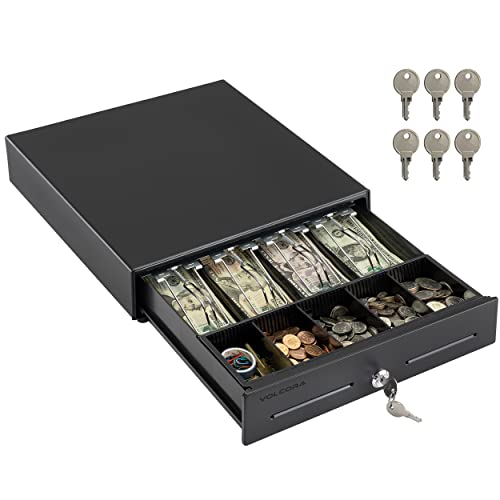
Volcora 13" Electronic Cash Register Drawer for Point of Sale (POS) System with 4 Bill 5 Coin Cash Tray, Removable Coin Compartment, 12-24V, RJ11/RJ12 Key-Lock, Black – for Small Businesses
- Durable Metal Frame: Heavy-duty construction for longevity
- 13×13.25×4 Inches: Compact size for small spaces
- 12-24V Power Supply: Flexible voltage compatibility
As an affiliate, we earn on qualifying purchases.
As an affiliate, we earn on qualifying purchases.
Frequently Asked Questions
How Long Does It Take to See Credit Score Improvements?
You can often see credit score improvements within a few weeks to a month after making positive changes. Paying down debts, correcting errors, or reducing your credit utilization can boost your score quickly. However, significant improvements might take several months, especially if you’re working on long-term habits like building credit history. Stay consistent with good practices, and you’ll start noticing progress sooner rather than later.
Can Closing Unused Credit Accounts Boost My Score?
Think of your credit accounts as a garden—closing unused ones might seem tidy, but it can actually hurt your score. When you close accounts, your credit utilization ratio can spike, making your score drop temporarily. If those accounts are old, you lose valuable length of credit history. Instead, keep them open and monitor your overall credit health; sometimes, less is more when it comes to boosting your score.
Does Applying for New Credit Harm My Credit Score?
Applying for new credit can temporarily lower your credit score because it results in a hard inquiry, which signals increased risk to lenders. However, if you manage your new credit responsibly, like making payments on time and keeping balances low, your score can recover and even improve over time. Just be mindful of how many applications you submit in a short period to avoid unnecessary dips.
What’s the Impact of Debt Consolidation on My Score?
You may find debt consolidation is a double-edged sword, impacting your credit score in both good and bad ways. It can lower your utilization rate and improve your payment history, boosting your score over time. However, applying for new loans might temporarily ding your credit. Think of it as turning over a new leaf—if managed well, debt consolidation can be a stepping stone to better credit health.
How Often Should I Check My Credit Report?
You should check your credit report at least once every 3 to 6 months. Regular checks help you catch errors, spot identity theft early, and monitor your progress toward a better score. If you’re actively working on improving your credit, consider checking more frequently, like monthly. Use free tools from agencies or annualcreditreport.com to stay informed, so you can take timely action and keep your financial health on track.
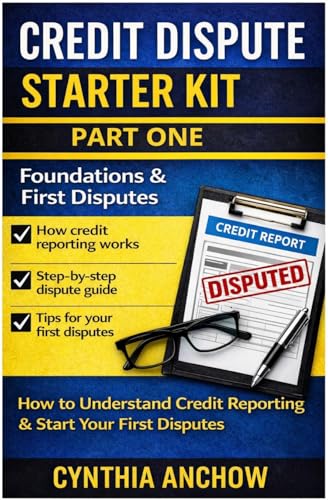
Credit Dispute Starter Kit: A Step-by-Step Guide to Disputing Errors, Collections, and Inaccurate Credit Reporting
As an affiliate, we earn on qualifying purchases.
As an affiliate, we earn on qualifying purchases.
Conclusion
Remember, boosting your credit score isn’t just a distant dream—it’s within your reach. Like a garden, it grows with care, patience, and the right actions. Stay consistent, monitor your progress, and watch your financial future blossom. Don’t let doubt be the thief of opportunity; take charge today. Your best credit score is waiting just beyond the horizon—seize it now, and turn those tips into triumph. The key to success is in your hands.

8 Digit Silver and Black Ultra Thin Solar Power Calculator with Touch Screen Credit Card Design Portable Mini Calculator for Business School Basic Office
- Compact Size: Credit card slim design
- Eco-Friendly Power: Solar powered operation
- Touch Screen Interface: Easy and precise input
As an affiliate, we earn on qualifying purchases.
As an affiliate, we earn on qualifying purchases.
credit limit increase request letter
As an affiliate, we earn on qualifying purchases.
As an affiliate, we earn on qualifying purchases.