

In your 20s, focus on building solid financial habits, eliminating high-interest debt, and starting retirement accounts with employer matching. During your 30s, prioritize saving, investing wisely, and advancing your career for higher income. In your 40s and beyond, aim to grow wealth, plan for major expenses, and refine your long-term strategies. Staying disciplined now sets the stage for a more secure future—if you want to learn how to shape each decade effectively, keep exploring these insights.
Key Takeaways
- In your 20s, prioritize establishing savings, eliminating high-interest debt, and starting retirement contributions with employer match.
- Build an emergency fund covering 15-25% of income to ensure financial safety during unexpected events.
- Develop strong credit habits early to secure lower borrowing costs and access favorable financial products later.
- Invest in growth assets like equities and pursue career opportunities to maximize earning potential and long-term wealth.
- In later decades, focus on maximizing retirement savings, managing investments, and planning for estate and legacy goals.

Each decade of your life presents unique financial opportunities and challenges that can shape your long-term financial well-being. In your 20s, your main focus should be on establishing solid financial foundations and starting your growth trajectory. Begin by creating a consistent income stream and sticking to a basic budget. Automate your savings, especially for big-ticket expenses, so you don’t have to think about it each month. Eliminating high-interest debt, like credit cards and personal loans, should be a priority—attack the most expensive debts first to free up cash flow. Make sure you enroll in your employer’s health insurance plan to shield yourself from unexpected medical costs. Start investing in tax-advantaged retirement accounts, contributing enough to get the full employer match—that’s free money for your future. Building an emergency fund worth one year’s salary or 15–25% of your annual pay offers peace of mind and a safety net during unpredictable times.
In your 20s, it’s also wise to invest in your human capital. Pursue additional education, certifications, or even graduate degrees to maximize future earning potential. Developing strong, positive financial habits early—like automating contributions into a 401(k), IRA, or similar accounts—sets the stage for long-term growth. Since you have a long time horizon, you can comfortably allocate investments toward equities and growth assets, embracing some risk for higher returns. Seek out career opportunities with growth potential, even if they involve higher risk, to accelerate your income and advancement. Avoid being overly conservative with your finances or career choices; this is the time to take calculated risks that pay off later. Understanding the importance of investment diversification can help protect your assets as your portfolio grows.
Building good credit early is essential because a strong credit score can lower borrowing costs and open doors to better financial products later in life.

NICOOTH Money Saving Binder 100 Envelope Savings Challenge Book Save $5050
- Number of Envelopes: 100 envelopes for savings challenge
- Material: PU leather A5 binder
- Includes Cash Envelopes: 25 pre-printed cash envelopes
As an affiliate, we earn on qualifying purchases.
As an affiliate, we earn on qualifying purchases.
Frequently Asked Questions
How Should I Adjust My Financial Goals During Economic Downturns?
During economic downturns, you should prioritize building an emergency fund and reducing high-interest debt. Reassess your financial goals, focusing on preserving cash flow and avoiding unnecessary expenses. Consider delaying big purchases or investments until stability improves. Stay disciplined with your budget, and look for ways to increase income if possible. Staying flexible and cautious will help you navigate tough economic times while safeguarding your financial future.
What Are Common Financial Mistakes to Avoid in Each Decade?
You should avoid overspending and accumulating unnecessary debt, especially during each decade. Don’t neglect saving for emergencies or retirement, even when finances seem tight. Be cautious about taking on risky investments without proper research, and avoid ignoring your credit score. Also, don’t delay reviewing your financial plan regularly; staying proactive helps you prevent costly mistakes and stay aligned with your long-term goals.
How Can I Balance Saving for Retirement With Paying off Debt?
Balancing saving for retirement with paying off debt is like walking a tightrope—you need to stay steady. Prioritize high-interest debt first to reduce financial drag, then allocate a portion of your income to retirement savings, like planting seeds for future growth. Automate your contributions to stay consistent. By managing both simultaneously, you keep your financial balance intact and build a secure future without sacrificing present stability.
When Should I Start Planning for My Children’s Education Costs?
You should start planning for your children’s education costs as early as possible, ideally when they’re infants or toddlers. Open a dedicated savings account or a 529 plan to maximize growth over time. The sooner you begin, the more you can take advantage of compound interest and tax benefits, reducing the financial burden later. Regularly review and adjust your contributions to stay on track with your education savings goals.
How Do Financial Goals Differ for Self-Employed Individuals?
Think of your financial goals as a unique roadmap, guiding your journey as a self-employed individual. You focus on building a safety net, contributing to retirement, and managing irregular income streams. You might set aside funds for taxes, health insurance, and business investments. Your goals require flexibility, like a tree bending with the wind, adapting to income fluctuations while steadily growing your financial security.
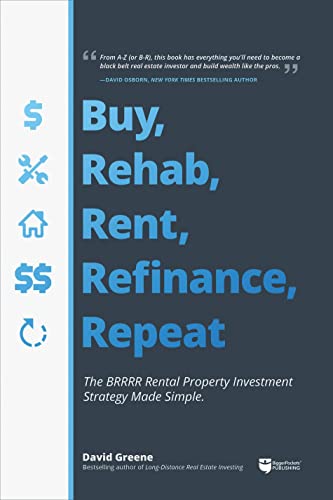
Buy, Rehab, Rent, Refinance, Repeat: The BRRRR Rental Property Investment Strategy Made Simple
As an affiliate, we earn on qualifying purchases.
As an affiliate, we earn on qualifying purchases.
Conclusion
By planting financial seeds early, tending to them wisely through each decade, you’re cultivating a garden of security that blooms with confidence and peace. Embrace the journey, adjusting your goals as you grow, and watch your financial landscape flourish over time. Remember, each decade is a new chapter—your chance to turn the pages with purpose and passion. With steady hands and a clear vision, you’re the architect of your own financial destiny.

Sharp El-1750V 12-Digit Desktop Printing Calculator, White
- Battery Powered with Included Paper Roll: Uses 4 AA batteries, includes starter paper
As an affiliate, we earn on qualifying purchases.
As an affiliate, we earn on qualifying purchases.

High Credit Score Secrets: The Smart Raise and Repair Guide to Excellent Credit: Improve Financial Literacy with Planning, Management, and Intelligence – Enjoy Freedom & Independence
As an affiliate, we earn on qualifying purchases.
As an affiliate, we earn on qualifying purchases.