📊 Full opportunity report: Scanning Paperwork Into A More Organized Small Office on IdeaNavigator AI — validation score, market gap, and execution plan.
TL;DR
A product proposal outlines a phone-based scanner that would classify paperwork, suggest useful filenames and save searchable PDFs for small offices. It recommends testing the idea with five offices and 200 real backlog documents apiece; no pilot results or working product are reported.
IdeaNavigator AI has proposed a phone-based document scanner that would sort and name paperwork for small offices, with a suggested pilot to test whether it works on real filing backlogs. The concept targets small nonprofits, clinics and law offices, where staff may need searchable records without dedicated IT support; no completed pilot, product launch or performance results are reported.
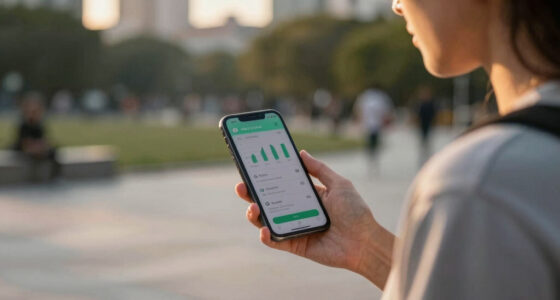
The proposed app would let a user photograph a stack of documents on a phone. It would then use optical character recognition (OCR) and document-layout analysis to read pages, suggest a document category and generate a filename. An invoice, for example, could be labeled with its type, date and vendor. The resulting files would be searchable PDFs in a shared folder.
The idea is aimed at offices with accumulated intake forms, invoices and records that are difficult to locate in filing cabinets. The proposal argues that generic scanning apps can leave users with unsorted images and little useful naming or extracted information. It presents current OCR and layout-aware software as potentially affordable and accurate enough for this task, but provides no pricing survey, accuracy data or comparison with existing tools.
To validate the concept, the proposal recommends a one-week pilot with five small offices. Each office would scan a real backlog of 200 documents. The suggested measures are the rate of correct automatic classification and whether offices would pay a per-seat subscription. A page-volume limit with extra charges for overages is proposed as the business model, not a confirmed price or commercial offering.
A Test for Smaller Office Workflows
If the proposed workflow performs reliably, it could reduce the manual steps between scanning a page and filing it somewhere staff can search. That matters for small organizations that handle sensitive or operationally important records but may lack a dedicated records team or IT staff. Automatic naming and classification could make a digital archive easier to use than a folder of images, though the proposal does not establish that the system would save time or reduce costs.
The suggested pilot focuses on a practical question rather than a broad promise: can software classify varied, real-world paperwork accurately enough to be useful, and will offices pay for it? Results would help determine whether to build the app, revise the workflow or abandon the idea. At present, those outcomes remain untested.
portable document scanner for small office
As an affiliate, we earn on qualifying purchases.
As an affiliate, we earn on qualifying purchases.
From Paper Backlogs to Searchable Files
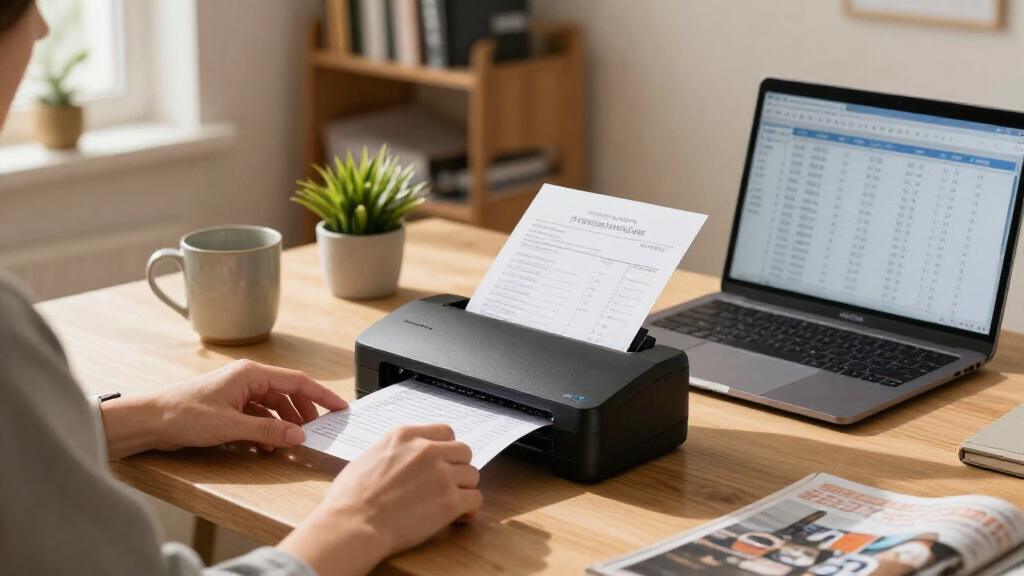
The concept addresses a specific gap between physical records and usable digital files. A scanner can create an image or PDF, but staff may still have to identify the document, name it consistently and place it in the right shared location. The proposed app combines those steps in one workflow, using OCR to make text searchable and classification suggestions to organize files.
The intended users are office managers at small nonprofits, clinics and law firms. These settings can involve forms, bills and other records that need to be found again, but the proposal does not describe any organization already using the system. It also does not specify how the app would handle document retention rules, access controls or sensitive information.
Its suggested commercial model is a monthly charge per user, with a page allowance and additional fees above that cap. The proposal gives no subscription amount or evidence of willingness to pay. Its proposed pilot would test demand alongside classification performance, rather than treating either as established.
As an affiliate, we earn on qualifying purchases.
Accuracy, Privacy and Demand Unproven
No pilot findings are available, so the app’s classification accuracy on mixed paperwork, its handling of poor-quality images and the time required to correct mistakes are unknown. The proposal does not identify a built product, development timeline or participating offices. It also gives no evidence that potential customers would accept the suggested subscription model.
Privacy and security details are also unspecified. Small clinics and law offices may handle confidential information, but the concept does not explain where images or extracted text would be processed or stored, who could access shared folders, or how records would be deleted and retained. Those questions would need answers before an organization could assess the tool for real records.
searchable PDF creator for office documents
As an affiliate, we earn on qualifying purchases.
As an affiliate, we earn on qualifying purchases.
Pilot Results Would Set the Direction
The next step proposed is to recruit five small offices and run the one-week test on 200 documents per office. A useful report would give the number and types of documents correctly classified, explain how errors were checked, and record whether staff would pay per seat. No schedule or pilot participants have been announced in the available details.
Until testing is reported, the scanner should be treated as a product concept rather than a demonstrated solution. Any subsequent development would also need to address data handling, permissions, and the reliability of filenames and extracted fields before the workflow could be judged for sensitive office records.
Source: IdeaNavigator AI
automatic document classification scanner
As an affiliate, we earn on qualifying purchases.
As an affiliate, we earn on qualifying purchases.
Key Questions
Is the scanner app available now?
The details describe a proposed product. They do not report a launch, working app or public availability.
How would the proposed scanner work?
A user would photograph documents with a phone. The app would use OCR to make text searchable, suggest a document type and filename, then save the result as a searchable PDF in a shared folder.
Has the app’s accuracy been tested?
No results are reported. The proposal recommends a pilot to measure correct automatic classification on real office documents.
What pilot is being proposed?
Five small offices would each scan a backlog of 200 documents over one week. The test would measure classification accuracy and willingness to pay per seat.
How might the service charge customers?
The suggested model is a monthly per-seat subscription with a page-volume cap and extra charges for pages above it. No actual price has been provided.
Source: IdeaNavigator AI