📊 Full opportunity report: When Does Cheap Memory Come Back? The 2027–2029 Question on ThorstenMeyerAI.com — validation score, market gap, and execution plan.
TL;DR
Memory prices are expected to remain higher through 2028–2029 due to ongoing capacity constraints and sustained demand from AI. A significant price drop isn’t anticipated before then, with relief possibly delayed beyond 2027.
Memory prices are unlikely to return to pre-crisis levels before 2028–2029, according to industry analysts and major manufacturers. This ongoing shortage, driven by physical constraints and high demand, means relief may be delayed well beyond 2027, impacting sectors reliant on affordable memory.
Most industry experts agree that the memory shortage will persist through at least 2027, with signs pointing toward a stabilization of prices only around 2028 or later. Companies like Samsung, SK Hynix, and Micron have announced new fabs and capacity expansions, but these take years to come online due to the physical nature of chip manufacturing, especially the bottleneck in cleanroom space and wafer processing.
Major capacity additions, such as Micron’s Idaho plant and SK Hynix’s Indiana facility, are scheduled for 2028 or beyond, with the largest planned project, Micron’s Clay fab, pushed to 2030. Meanwhile, US government-funded fabs targeting 2028–2030 are unlikely to impact near-term supply constraints. This means that even with new capacity, a significant price relief in the near future remains unlikely, and prices are expected to stay 30–50% above pre-crisis levels in the medium term.
When does cheap memory come back?
The question everyone’s really asking: do I just wait this out? The honest answer is a timeline, three scenarios, and news you may not want — the cheap memory you remember isn’t coming back. A less-expensive market probably is — later, and at a higher floor.
Capacity ramps ’27–’28; price climbs stop, then ease. Settles ~30–50% above pre-crisis — the new baseline, not a return to 2024.
AI keeps accelerating; OpenAI locked ~40% of DRAM through 2029; makers pause expansion to protect record margins; each HBM gen worsens the math.
AI demand moderates just as delayed ’27–’28 fabs all arrive → classic overshoot → prices crash. Not the bet — but never impossible in this industry.
The one relief valve that needs no fab is efficiency: if compression (Part 9) cuts how much memory each model needs, demand softens on the timescale of a software update, not a construction project. So the posture isn’t waiting — it’s the discipline this series has been about. Memory is now a scarce, valuable resource; treat it that way. Buy what you need, right-size, own what’s steady, rent what’s spiky, quantize either way. The people who do best won’t be the ones who guessed the bottom — they’ll be the ones who stopped needing so much. That’s the squeeze, end to end.
Impact of Persistent Memory Shortages on Technology Markets
The continued high prices and limited supply of memory chips will influence multiple sectors, including AI infrastructure, data centers, and consumer electronics. Companies may face higher costs, delays, or constraints on product development, affecting innovation and pricing strategies. For investors and industry stakeholders, understanding this timeline is crucial for strategic planning and risk assessment.
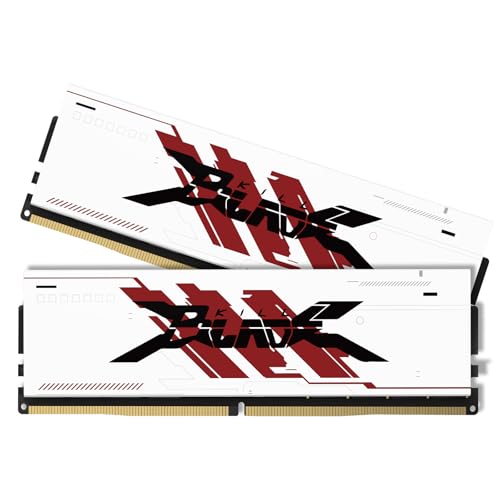
PUSKILL DDR4 3200MHz CL16 Desktop RAM Kit Heatsink, 32GB (2x16GB)
- High Capacity for Power Users: 32GB (2x16GB) high-speed memory
- Fast 3200MHz Performance: Ultra-responsive multitasking with CL16 timings
- Efficient Aluminum Heatsink: Keeps system cool during intense use
As an affiliate, we earn on qualifying purchases.
As an affiliate, we earn on qualifying purchases.
Physical Constraints and Market Dynamics Behind the Delay
The primary reason for the delayed relief is the physical nature of chip manufacturing. Building new fabs requires years of planning, construction, and ramp-up, with capacity additions concentrated in 2028 and later. The industry’s history of boom and bust, combined with the current focus on high-margin products like HBM, further complicates supply expansion. Additionally, the packaging bottleneck limits the ability to quickly convert wafer capacity into finished memory modules.
Demand remains high, especially from AI applications, with some companies locking in long-term supply agreements through 2029. This sustained demand, coupled with limited new capacity, keeps prices elevated despite record profits for memory manufacturers.
“There will be no relief until 2028.”
— Intel CEO Pat Gelsinger
As an affiliate, we earn on qualifying purchases.
Unconfirmed Factors That Could Extend the Shortage
It remains unclear whether demand will soften significantly before new capacity comes online, or if technological advances in packaging and efficiency could accelerate relief. The possibility of a market correction or oversupply leading to a crash also exists but is considered less likely at this stage.
As an affiliate, we earn on qualifying purchases.
Upcoming Capacity Expansions and Market Developments
Key capacity additions, such as Micron’s Idaho fab and SK Hynix’s Indiana plant, are scheduled for 2028 or later, which will influence supply availability. Monitoring these developments and the pace of demand growth, particularly from AI, will be essential to understanding when prices might stabilize or decline. Industry analysts will continue to refine forecasts as new data emerges.
As an affiliate, we earn on qualifying purchases.
Key Questions
Will memory prices ever return to pre-crisis levels?
Most industry experts agree that prices are unlikely to fall back to pre-crisis levels before 2028–2029, with a new normal likely set at 30–50% higher than before.
What are the main factors delaying relief?
The physical constraints of building and ramping new fabs, the bottleneck in cleanroom capacity, and sustained high demand from AI applications are the primary factors.
Could a market oversupply cause prices to crash?
While possible, a price crash is less likely given current demand levels and manufacturers’ discipline in controlling supply, but history suggests it remains a potential risk in the industry’s cyclical pattern.
How will new capacity additions impact prices?
Capacity coming online in 2028 and beyond should gradually ease shortages, but prices are expected to remain elevated until then, with a potential stabilization or slight decline after 2029.
Can demand reduction help alleviate the shortage?
Yes, if demand from AI and other sectors slows down or becomes more efficient, it could reduce pressure on supply and help lower prices faster, independent of new manufacturing capacity.
Source: ThorstenMeyerAI.com