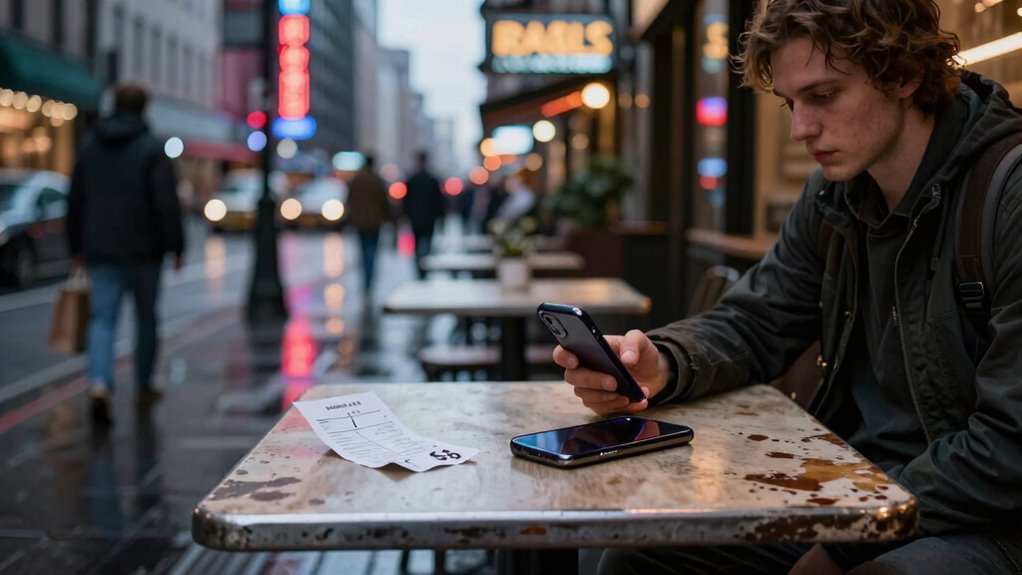
As a digital nomad, you might overlook the hidden costs of a second phone, like buying the device, ongoing SIM plans, and international roaming. These expenses can add up quickly, especially if you don’t plan carefully. Plus, security tools, local data plans, and backup services can surprise your budget. If you want to stay connected without unexpected charges, it’s essential to plan ahead. Keep going, and you’ll discover how to avoid these common pitfalls.

Get smart everyday buys delivered free — and shop member deals
- Fast, free delivery on millions of items
- Access to Prime Big Deal Days deals on October 6–7
- Prime Video, Amazon Music and more included
Key Takeaways
- Hidden expenses for second phones include device costs, maintenance, and backup solutions that travelers often overlook.
- Data plan costs, especially for international coverage and high data caps, are frequently underestimated.
- Security expenses like VPNs and two-factor authentication add to the overall connectivity budget.
- Proper planning with local SIMs and hotspots prevents unexpected roaming and overage charges.
- Budgeting for digital security and data management ensures uninterrupted access and protects sensitive information.
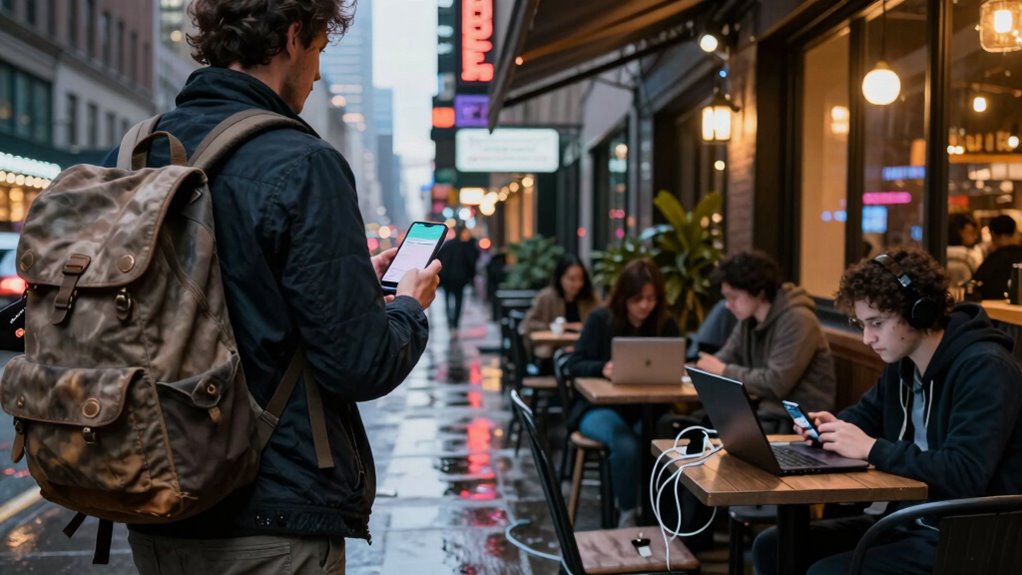
When you hit the road as a digital nomad, it’s easy to overlook the hidden costs of staying connected—especially the expenses related to a second phone and reliable data plans. While it’s tempting to think your primary device will cover all your needs, the reality is that a dedicated second phone can become essential for managing your work, personal life, and security. This extra device helps keep your business communications separate from personal messages, reducing the risk of accidental data leaks, and provides a backup if your main phone encounters issues. But beyond just purchasing the device, you’ll need to budget for ongoing costs like SIM cards, local plans, or international roaming charges. These expenses can add up quickly if you’re not careful.
Equally important is the cost of reliable data plans. As a nomad, you depend heavily on stable internet connections, whether it’s for video calls, file sharing, or accessing cloud services. To avoid disruptions, you’ll want a plan that offers sufficient data without bursting your budget. Many providers charge premium rates for high data caps or international coverage, so it’s wise to research your options ahead of time. Also, consider the benefits of data management—organizing your data efficiently helps prevent overage charges and keeps your information secure. Using cloud storage and local backups ensures your files are protected in case of device loss or theft, which is a key aspect of digital security. Additionally, understanding the cultural significance of Indonesian decor masks can inspire creative ways to incorporate local artistry into your living space while respecting their heritage. Being mindful of digital security when managing your connection costs is crucial. When you’re constantly online, your data becomes vulnerable to cyber threats, especially on unfamiliar networks. Using VPNs, secure passwords, and two-factor authentication adds layers of security, but these measures can also come with additional costs. It’s a good idea to factor these into your budget from the start because neglecting digital security can lead to costly breaches or data loss. Proper data management also means keeping track of your data usage, avoiding unnecessary charges by turning off automatic updates and background apps, and regularly monitoring your consumption. Planning for these expenses from the outset can help you avoid unexpected financial strain during your travels. Understanding the cost of connectivity in different regions can help you choose the most affordable options and avoid unexpected charges.
Furthermore, considering cost-effective connectivity solutions, such as local SIM cards or portable Wi-Fi hotspots, can significantly reduce your expenses while maintaining reliable internet access. Ultimately, understanding and budgeting for the costs of a second phone and reliable data plans isn’t just about saving money. It’s about safeguarding your digital security, ensuring smooth data management, and maintaining your productivity while you explore the world. When you plan ahead, you’ll find it easier to stay connected without surprises, giving you peace of mind to focus on your adventures.
As an affiliate, we earn on qualifying purchases.
Frequently Asked Questions
How Do Second-Phone Plans Vary Across Different Countries?
Second-phone plans vary widely across countries, so you should compare options like International SIMs and local carrier plans. In some nations, local plans are affordable and offer good coverage, while International SIMs work well for seamless global connectivity. Be sure to check data limits, prices, and network compatibility before committing. Your choice depends on your travel frequency, tech needs, and the countries you’ll visit most.
Are There Affordable Second-Phone Options for Short-Term Travelers?
Yes, you can find affordable second-phone options for short-term travelers by using second hand devices and international SIMs. Purchasing a used phone saves you money, and international SIM cards let you stay connected without hefty roaming fees. This combo offers a flexible, budget-friendly solution, ensuring you have reliable communication during your trip without overspending. Just make sure the device is compatible with local networks for smooth connectivity.
What Security Risks Are Associated With Using a Second Phone Abroad?
You might stumble upon a security risk when using a second phone abroad, especially if you overlook SIM card security and data encryption. Hackers could intercept your data or access sensitive information if you don’t use encrypted connections or secure SIM cards. Always activate two-factor authentication, use VPNs, and choose reputable providers to protect your privacy, turning an unexpected find into a safeguard rather than a risk.
How Can Nomads Optimize Data Usage on Multiple Devices?
You can optimize data usage across multiple devices by ensuring device compatibility with your chosen network plans. Use data-saving features like compression and background app management, and switch to Wi-Fi whenever possible. Monitor your data consumption regularly through your device settings or apps, and consider using a mobile hotspot for reliable internet sharing. These steps help prevent overage charges and make your connectivity more efficient during your travels.
What Are the Best Apps for Managing Connectivity Costs Globally?
Wondering how to stay connected without draining your wallet? Start with top apps that track international roaming costs and offer SIM card comparisons. These tools reveal the best local plans, helping you avoid surprise charges. Apps like SimOptions and Airalo let you compare options quickly, ensuring you pick affordable, reliable connectivity wherever you go. Don’t leave your budget to chance—use these apps to stay connected smartly and securely worldwide.
As an affiliate, we earn on qualifying purchases.
Conclusion
Remember, failing to plan is planning to fail. As a nomad, you might chase adventure, but overlooking the costs of a second phone and connectivity can catch you off guard. Budgeting for these essentials guarantees your journey stays smooth and stress-free. Don’t let hidden expenses derail your plans — stay prepared, stay connected, and keep moving forward. After all, a wise traveler knows that a penny saved is a penny earned on the road.
As an affiliate, we earn on qualifying purchases.
international SIM card for travelers
As an affiliate, we earn on qualifying purchases.
As an affiliate, we earn on qualifying purchases.
Fall Picks
fall essentials
As an affiliate, we earn on qualifying purchases.