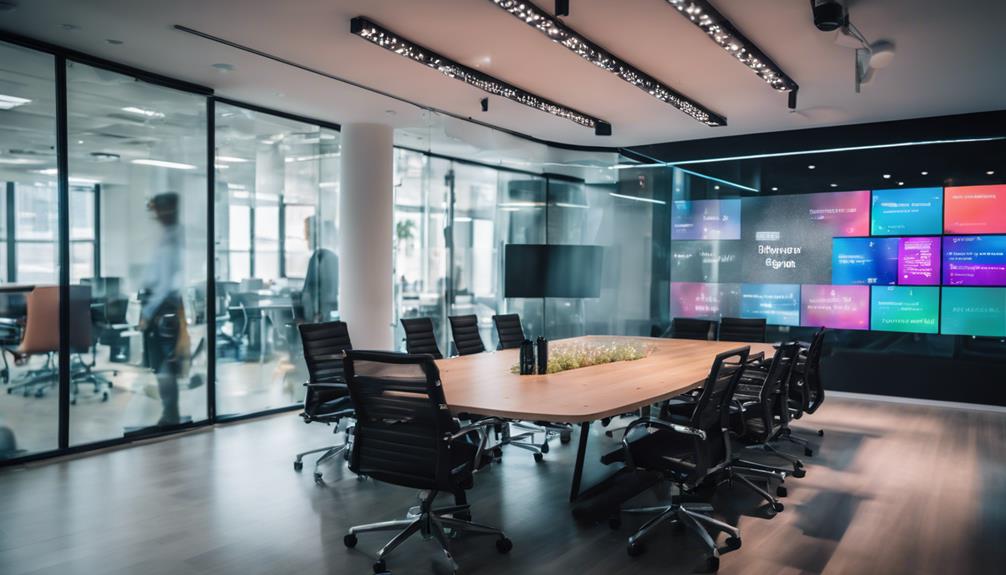
You’re paying more for convenience as fuel sales decline and stores focus on food, drinks, and quickservice options. Consumers now seek easier, faster access to food and shopping, often at higher prices or extra fees. Digital engagement isn’t as strong as it could be, impacting personalized experiences. If you want to understand how the costs of convenience are changing and what it means for your spending, there’s more to explore.
Key Takeaways
- Consumers often pay higher prices for convenience services like delivery and fast shopping, which can erode overall savings.
- Retailers charge premium prices for quick, reliable delivery, increasing costs for customers prioritizing speed.
- The shift to in-store experiences and higher-quality offerings may come at a premium compared to traditional, less convenient options.
- Digital engagement and personalization often require added fees or subscriptions, raising the total cost for a seamless experience.
- The decline in fuel sales and increased reliance on in-store purchases can lead to higher prices for food and essentials.

Have you noticed how convenience stores are changing? They’re adapting to a shifting landscape where traditional fuel sales, once the backbone of their revenue, are declining sharply. In the second quarter of 2025, total sales at these stores dropped nearly 8%, mainly because fuel sales plummeted over 12%. Since fuel makes up about 60% of their sales, that’s a significant hit, and it’s forcing stores to find new ways to stay afloat. With fewer customers fueling up, foot traffic decreases, and stores have to rely more on in-store purchases to make up the difference. But consumers are tightening their belts, cutting back on non-essentials due to inflation and tariffs, while trying to preserve their spending power on necessities. This means that while retail spending excluding fuel shows moderate growth, it’s not enough to fully offset the losses from fuel sales.
To compensate, convenience stores are shifting their focus toward foodservice and fresh offerings. Even with fewer store visits, sales in foodservice jumped over 3% in the second quarter of 2025, thanks to customers spending about 5% more per visit. High-quality, fresh meals are pulling customers away from traditional quick-service chains and other convenience outlets. Chains like Wawa, Sheetz, and Casey’s are leading this charge, emphasizing food-forward strategies that turn their stores into meal destinations rather than just fuel stops. Opportunities are ripe in coffee, beverages, and ready-to-drink alcohol, as these categories attract loyal customers and boost per-visit revenue. But this evolution also means you’re paying a premium for the convenience of freshly prepared meals, which can be more costly than grabbing a snack or a quick drink. Research shows that foodservice sales growth is driven by consumers’ willingness to pay more for quality and convenience.
Your shopping habits are also changing as price sensitivity intensifies. Around two-thirds of global consumers say they’d switch brands for better prices, and in the US, nearly 70% of digital grocery buyers prioritize cost over delivery speed. Convenience alone isn’t enough anymore; you want quality, low prices, and a seamless experience, all at once. Retailers are trying to meet these demands by offering more convenient options that don’t break the bank, but the pressure to balance affordability with speed and reliability is tough. Meanwhile, mobile app adoption in convenience stores remains lower than in quick-service restaurants, limiting digital engagement and personalization. Customer satisfaction scores hover around 76, with chains like Kwik Trip leading at 84, indicating shifting preferences and the importance of in-store experience as fuel sales decline. As cybersecurity vulnerabilities increase, retailers must also focus on protecting customer data and maintaining trust amidst these evolving shopping habits.
Delivery and logistics also influence how you shop. Consumers prefer on-time delivery over rapid service, even if it means waiting longer. Ecommerce and delivery expectations continue to grow, pushing physical stores to innovate and find new ways to provide fast, reliable, and affordable service. All these changes point to a simple truth: convenience comes at a cost, and as retailers adapt, you’re likely paying more for the ease and speed you’ve come to expect.

Himal Outdoors Insulated Food Delivery Bag XXXL-23Wx15Hx14D inches Premium Insulated Grocery Bag for HOT/COLD Food Delivery, Fit for Uber Eats, Doordash, Commercial Catering Transportation
【Large Capacity】23"W x 15"H x 14"D, Made of 600D Water Repellent Oxford and Leak-proof Liner
As an affiliate, we earn on qualifying purchases.
As an affiliate, we earn on qualifying purchases.
Frequently Asked Questions
How Can I Identify Hidden Costs of Convenience Services?
To spot hidden costs in convenience services, pay close attention to the fine print and extra fees. Ask yourself if there are subscription charges, cancellation fees, or automatic renewals that might add up over time. Research reviews or ask others about their experiences. Track your expenses over a few months to see if there are recurring charges you didn’t notice initially. Staying vigilant helps you avoid paying more than you realize.
Do Convenience Products Always Save Time and Money Long-Term?
Convenience products are like quicksand—you might feel like you’re saving time, but they can trap you in hidden costs over the long haul. Sometimes, they save you a few minutes now, but in the end, you could spend more money or lose time fixing their pitfalls. So, ask yourself if the ease is worth the potential hidden expenses—sometimes, the old ways are still the best.
Are There Healthier or More Sustainable Convenience Options Available?
Yes, healthier and more sustainable convenience options are available. You can choose pre-washed, pre-cut produce to save prep time while maintaining nutrition, or opt for plant-based meals that are both quick and eco-friendly. Look for products with minimal packaging, organic labels, or local sourcing to boost sustainability. By making informed choices, you can enjoy convenience without sacrificing your health or the environment.
How Does Convenience Impact Environmental Sustainability?
Convenience can considerably contribute to environmental exhaustion, encouraging excessive energy use and waste. When you prioritize fast, effortless options, you often overlook sustainable practices like reducing, reusing, and recycling. You might choose single-use items or energy-intensive products without thinking about their ecological impact. By balancing your need for ease with eco-friendly choices, you can reduce your carbon footprint and support a healthier planet, making convenience conscious and climate caring.
What Are Alternative Strategies to Reduce Reliance on Convenience?
You can reduce reliance on convenience by planning ahead, cooking in batches, and choosing whole, unprocessed foods. Opt for reusable items instead of disposable ones, and prioritize local products to cut down on packaging and transportation. You might also set aside time for gardening or DIY projects, which foster self-sufficiency. These strategies help you save money, reduce waste, and minimize environmental impact while making more mindful choices.

Clean Eatz High Protein Meal Plan Kit, Prepared Frozen Meals, Calorie-Controlled Entree Pack, High Calorie, Nutrients Dense, Pack of 6 Prepared Meals, Single Serving, Lunch & Dinner
𝗘𝗫𝗧𝗥𝗔 𝗣𝗥𝗢𝗧𝗘𝗜𝗡, 𝗘𝗫𝗧𝗥𝗔 𝗥𝗘𝗦𝗨𝗟𝗧𝗦 – Elevate your fitness with high protein meals enriched by an extra 2 oz…
As an affiliate, we earn on qualifying purchases.
As an affiliate, we earn on qualifying purchases.
Conclusion
So, next time you opt for quick fixes or easy solutions, ask yourself if you’re truly saving time or just spending more in the long run. Convenience might seem harmless, but it often comes with hidden costs—financial, environmental, or personal. While it’s tempting to choose simplicity, being mindful helps you decide if the extra effort is worth the payoff. Ultimately, the true cost of convenience is up to you to weigh.
USA shopping : All in one shopping app for online shopping
👉 Easy to use
As an affiliate, we earn on qualifying purchases.
As an affiliate, we earn on qualifying purchases.
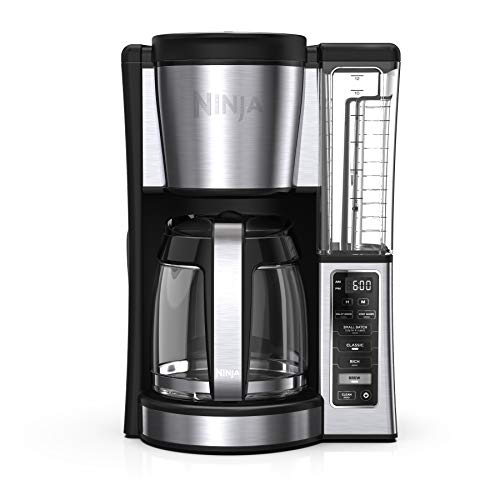
Ninja 12-Cup Programmable Coffee Brewer, 2 Brew Styles, Adjustable Warm Plate, 60oz Water Reservoir, Delay Brew – Black/Stainless Steel
2 BREW STYLES: Classic or Rich, each brew is flavorful and never bitter with custom brew strengths.
As an affiliate, we earn on qualifying purchases.
As an affiliate, we earn on qualifying purchases.