

Choosing between paying cash or taking a mortgage for your overseas property affects your financial flexibility, legal obligations, and negotiation power. Paying cash gives you faster ownership, eliminates interest, and simplifies legalities, while a mortgage allows you to preserve capital and potentially negotiate better deals. Each option comes with risks, especially with currency fluctuations or legal restrictions abroad. To make an informed decision and understand the consequences, explore further insights that can help you optimize your investment.

Get smart everyday buys delivered free with Prime
- Fast, free delivery on millions of items
- Prime Video, Amazon Music and more included
- Member-only deals all year
Key Takeaways
- Paying cash offers full control and avoids interest, simplifying the transaction process and potentially lowering purchase costs.
- Mortgages enable access to property without full upfront funds, freeing capital for other investments or expenses.
- Currency fluctuations in international mortgages pose risks, requiring hedging strategies or borrowing in home currency.
- Legal and regulatory considerations vary by country, necessitating local expert advice for both cash and financed purchases.
- The decision impacts financial planning, negotiation power, and legal obligations, shaping long-term investment outcomes.
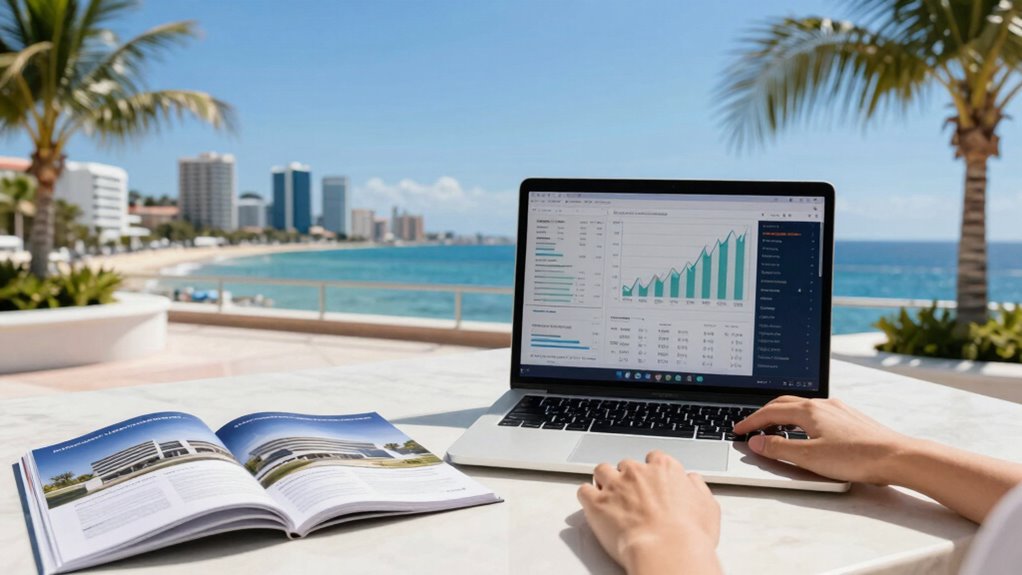
Are you contemplating investing in overseas property but unsure where to start? Deciding between a cash purchase or taking out a mortgage can substantially impact your investment’s success. If you choose to buy with cash, you eliminate the burden of monthly repayments and interest rates, giving you more control over your property. However, it’s important to understand the legal implications involved in international transactions. Different countries have varying property laws, and some may require you to navigate complex regulations or face restrictions on foreign ownership. Consulting with local legal experts ensures you’re fully aware of your rights and obligations, helping you avoid costly mistakes.
Buying with cash offers control but requires understanding international property laws and legal complexities.
On the other hand, opting for a mortgage can make the purchase more accessible, especially if you don’t have enough liquidity upfront. But before committing, you need to consider the currency fluctuations that could impact your financial situation. When borrowing in a foreign currency, exchange rate volatility can cause your repayments to increase unexpectedly, making the investment riskier. It’s essential to analyze how currency movements might affect your ability to service the loan over time. Some investors mitigate this risk by securing a mortgage in their home currency or locking in exchange rates through hedging options, but these strategies come with additional costs and complexities.
Another factor to weigh is how each option influences your overall financial planning. Paying cash might give you more leverage in negotiations with sellers, potentially lowering the purchase price. Conversely, financing through a mortgage could free up capital for other investments or expenses, allowing you to diversify your portfolio. However, remember that taking out a loan may also involve additional legal considerations, such as the need for local mortgage agreements and compliance with international banking laws. Additionally, understanding the legal landscape of foreign property ownership is crucial to ensure a smooth transaction process and protect your investment. Conducting thorough research into tax implications can also prevent unexpected financial burdens down the line. A comprehensive understanding of financial planning strategies can further help align your property investment with your broader financial goals.
overseas property legal advice book
As an affiliate, we earn on qualifying purchases.
As an affiliate, we earn on qualifying purchases.
Frequently Asked Questions
What Are the Tax Implications of Cash Buying Versus Mortgage?
When you pay cash for an overseas property, you usually face fewer ongoing tax obligations, simplifying your tax strategies, but you might miss out on mortgage interest deductions. Using a mortgage can offer tax benefits through interest deductions, yet it increases your investment risks if property values decline. Carefully weigh these tax implications to choose the option that aligns with your financial goals and risk tolerance.
How Does Currency Exchange Affect the Purchase Process?
You might find it surprising, but currency exchange can considerably impact your property purchase. When currency fluctuations occur, they can make your investment more expensive or cheaper unexpectedly. To navigate this, use exchange rate strategies like locking in rates or timing your transfer carefully. Staying aware of these fluctuations helps you avoid surprises and guarantees your funds go further, making the process smoother and more predictable.
Are There Legal Restrictions on Foreign Property Buyers?
Yes, there are legal restrictions on foreign ownership, depending on the country you’re interested in. Some nations impose limits on the type or location of property foreigners can buy, or require special permits. You should research the specific legal restrictions related to foreign ownership in your target country. Consulting local legal experts helps guarantee you comply with all regulations, avoiding potential legal issues during your overseas property purchase.
What Are the Long-Term Financial Benefits of Each Option?
Think of your financial future as a garden; choosing between cash or mortgage is like planting seeds for growth. Paying cash offers steady, uninterrupted growth, while financing options can accelerate your investment with leverage. Market trends influence these choices, impacting long-term benefits. Cash buyers often enjoy lower interest costs, but mortgages can free capital for other opportunities. Your decision shapes the landscape of your overseas property’s financial future.
How Does Property Value Appreciation Differ Between Cash and Financed Purchases?
When it comes to property value appreciation, cash purchases often benefit from less market volatility impact, as there’s no mortgage to worry about during fluctuating markets. Financed purchases offer more financing flexibility, allowing you to invest more in property upgrades or diversification, potentially boosting appreciation. However, market swings can affect financed properties more, so your decision depends on your risk tolerance and long-term goals.
currency hedging for international mortgage
As an affiliate, we earn on qualifying purchases.
As an affiliate, we earn on qualifying purchases.
Conclusion
Choosing between a cash purchase and a mortgage might seem like a simple financial decision, but often, it’s the small coincidences that tip the scales. Maybe you stumble upon a rare property or meet someone who shares your vision—those moments make the process feel less like a transaction and more like destiny. Whatever you decide, trust that the right choice will align with your journey. Sometimes, it’s the unexpected that leads you exactly where you’re meant to be.
international property legal compliance guide
As an affiliate, we earn on qualifying purchases.
As an affiliate, we earn on qualifying purchases.
overseas property investment guide
As an affiliate, we earn on qualifying purchases.
As an affiliate, we earn on qualifying purchases.
Halloween Picks
halloween
As an affiliate, we earn on qualifying purchases.