
Buying property sight unseen can be risky, as unseen defects like structural issues, mold, or neighborhood problems often hide from photos or virtual tours. Without physically inspecting the property, you might miss signs of trouble that could cost thousands later. While digital tools help, they’re not foolproof. To protect yourself, consider hiring a qualified home inspector and including contingency clauses. Stay tuned to learn more about how to navigate these challenges safely.
Key Takeaways
- Virtual inspections may miss hidden issues; hiring a professional inspector mitigates this risk.
- Relying solely on online information can lead to surprises; thorough research and verification are essential.
- Contingency clauses in contracts provide safety nets if hidden defects or problems are discovered later.
- Buying remotely is common for investors and relocators, but it requires careful due diligence.
- Combining digital tools with expert advice helps make remote property purchases safer and more informed.
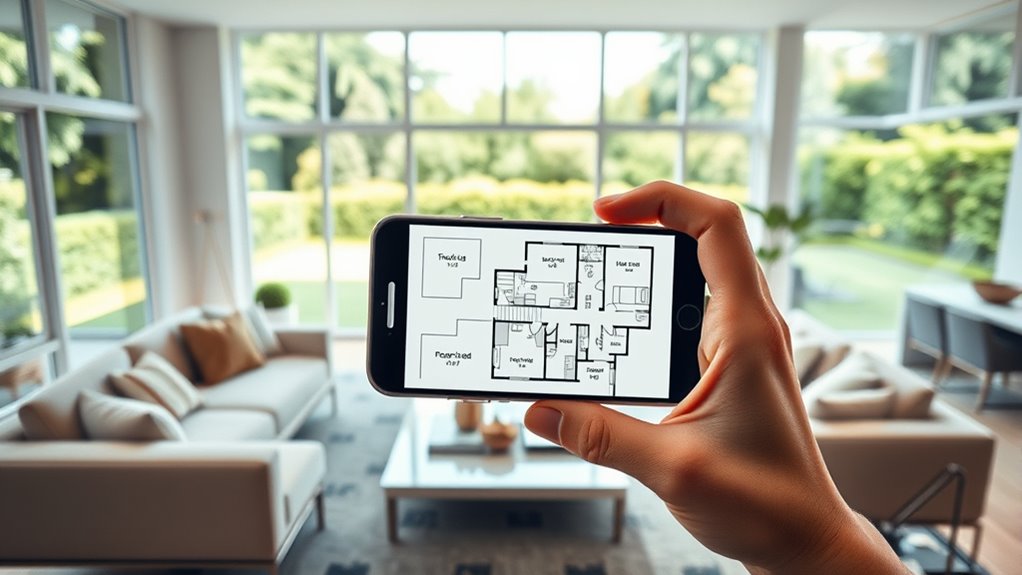
Buying property sight unseen can be a strategic move in today’s fast-paced real estate market, especially when time, distance, or competition make in-person visits impossible. But even with digital tools, it’s important to recognize the risks involved. Many property defects, like structural damage, infestations, mold, and water issues, often stay hidden and aren’t visible through photos or virtual tours. Without physically inspecting the property, you might miss signs of trouble that could cost thousands to fix later. Environmental factors such as neighborhood noise, pollution, traffic, odors, or problematic neighbors aren’t apparent online, and these elements can profoundly impact your quality of life. You might find yourself surprised or disappointed after closing if conditions don’t match what you expected. Research and verification through reliable data sources can help identify hidden issues or discrepancies in listings. Additionally, virtual inspections can sometimes be limited in scope and accuracy, making thorough due diligence even more crucial. Another concern is the potential for sellers to intentionally hide problems to preserve the property’s resale value or discourage competing offers. Online listings can be misleading, and misrepresentations or discrepancies between what’s shown and what you encounter in person are common. This increases your risk of making a purchase based on inaccurate information, which can lead to frustration and financial loss. Moreover, legal issues can arise if sellers or agents commit misrepresentation, fraud, negligence, or breach of contract, especially when you haven’t seen the property firsthand to verify its condition.
Buying sight unseen risks missing hidden issues and environmental factors that affect your quality of life.
Despite these risks, many buyers are motivated to buy sight unseen. Relocating professionals and military families often don’t have the luxury of time or proximity to visit properties physically. Investors, too, frequently purchase remotely, especially in competitive markets or distant locations where properties sell quickly. For buyers moving cross-country or internationally, limited opportunities for physical inspections make remote buying essential. Sometimes, urgency and necessity outweigh the drawbacks, prompting quick offers based on virtual information to secure a property before someone else does.
The advantages of buying sight unseen include saving time and travel costs. Digital tools, such as video walkthroughs, online maps, crime reports, and virtual tours, can help you get a partial sense of the property and neighborhood. Cash buyers may use their speed as leverage, avoiding mortgage contingencies and often securing better deals. This approach also allows investors to access markets far from their location, relying on local agents and property managers to handle details.
However, digital inspections have limitations. Photos and videos can be deceptive, not fully capturing the property’s condition or atmosphere. Virtual tours often overlook critical issues or maintenance needs. Online neighborhood data might be outdated or incomplete, requiring additional research. To reduce risks, hiring a licensed home inspector is vital. Their professional evaluation can reveal hidden defects and verify the property’s condition before you finalize the deal. Using contingency clauses in your contract also provides an exit if inspections or appraisals uncover problems, ensuring your interests are protected.
Frequently Asked Questions
What Are the Legal Implications of Purchasing Sight Unseen?
You face significant legal risks when buying sight unseen. Without inspecting the property, you may miss issues that could lead to disputes or financial loss. Legally, you might have limited recourse if the property doesn’t match descriptions or disclosures. To safeguard yourself, review contracts carefully, ensure inspections or contingencies are in place, and consider hiring a local attorney or agent to guide you through the process and clarify your rights and obligations.
How Can I Verify Property Condition Remotely?
Did you know that 80% of buyers rely on virtual tours? To verify property condition remotely, you should request detailed photos and videos from the seller, preferably recent ones. Consider hiring a local inspector for an independent assessment or scheduling live video walkthroughs. Use reputable real estate agents who can provide accurate updates and insights about the property’s condition, ensuring you make an informed decision even from afar.
What Risks Are Involved With Unseen Property Inspections?
You face risks like missing hidden damages, structural issues, or outdated systems when inspecting properties unseen. You might overlook necessary repairs or costly flaws that are only visible in person. Relying solely on photos or virtual tours can lead to surprises after purchasing. To minimize these risks, consider hiring local professionals for inspections, requesting detailed reports, and doing thorough research before committing to a sale.
How Do I Ensure Accurate Property Descriptions Online?
You guarantee accurate online property descriptions by doing thorough research, checking multiple listings, and reading reviews. Contact the seller or agent directly to ask detailed questions about the property’s condition, features, and location. Request additional photos or videos if needed. Cross-reference information on reputable real estate sites and verify details with local sources. This proactive approach helps you spot discrepancies and make informed decisions before buying sight unseen.
Can I Secure Financing Without Seeing the Property?
Yes, you can secure financing without seeing the property, especially with 85% of lenders now offering digital pre-approvals. To do so, provide thorough documentation, such as income proof and credit details, and rely on virtual tours or detailed videos. Keep in mind, lenders might require an appraisal or inspection before finalizing the loan, so stay flexible and communicate clearly throughout the process.
Conclusion
Buying property sight unseen can feel like jumping into the dark without a flashlight. While it might save time and money, it’s a gamble that can land you in trouble if you’re not careful. Do your homework, trust trusted professionals, and weigh the risks. Remember, fortune favors the brave, but wise investors carry a lantern—guiding them safely through uncharted waters. Stay cautious, and you’ll navigate the journey with confidence and clarity.