
If you’re buying property in Portugal as an international buyer, act quickly due to rising prices and limited supply in hotspots like Lisbon and Porto. Stay informed about recent regulations, taxes, and incentives such as the IMI and IMT Jovem. Seek expert guidance to navigate restrictions and find properties aligned with your goals. A solid understanding of local policies and market trends can maximize your investment. Keep exploring to uncover more essential tips for a successful purchase.
Key Takeaways
- Research local regulations and restrictions, such as zoning laws and short-term rental limitations, to ensure compliance.
- Act quickly on property opportunities due to rapid price increases and high demand.
- Seek expert local guidance to navigate legal processes, taxes, and investment incentives effectively.
- Be aware of recent tax changes and government policies that may impact your purchase and ownership costs.
- Consider location trends, especially in urban and coastal hotspots, for potential appreciation and value stability.

Buying Property in Portugal
If you’re considering buying property in Portugal, you’ll find a dynamic market that’s been experiencing rapid growth. House prices surged approximately 15.8% year-on-year as of early 2025, reflecting a robust and competitive environment. Portugal also led the EU in house price growth during the first quarter of 2025, with a 16.9% increase, making it one of the fastest-growing markets globally. This trend signifies strong demand, especially in urban and coastal hotspots like Lisbon, Porto, and the Algarve, where prices continue to climb. In Lisbon, prime areas see prices exceeding €5,000 per square meter, with median apartment prices reaching €2,269/m², and in Greater Lisbon, they hit €2,991/m². These figures highlight the premium for sought-after locations within Portugal’s major cities.
Portugal’s property market is booming, with prices in Lisbon exceeding €5,000/m² and strong growth across major cities.
You should note that demand outpaces supply, especially in popular regions, due to limited new construction caused by high costs and strict zoning laws, particularly in Lisbon. As a result, the market favors buyers, with nearly 80% of transactions involving secondary homes rather than new builds. Despite a slight decline of about 6% in foreign buyer activity in 2024, international investors still play a significant role, especially in high-demand areas. It’s worth noting that restrictions on short-term rentals like Airbnb have been introduced in historic districts to control gentrification and manage supply, which may impact rental income prospects but aim to stabilize the market.
Government policies are evolving to address affordability and speculation. The Golden Visa program, which once attracted many foreign investors, was phased out for residential properties in urban and coastal areas starting in 2023. New taxes targeting vacant homes and a more progressive municipal property tax, or IMI, aim to curb speculation and encourage returns of empty properties to the market. For younger buyers, there’s a silver lining: the IMT Jovem legislation exempts those under 35 from certain taxes when purchasing their first primary residence, helping to stimulate domestic demand. Furthermore, the government continues to promote sustainable urban development, which could influence future property values and investment opportunities. Additionally, market analysts suggest that market stability is expected to persist due to the steady demand and supportive policies.
Financing options are favorable, with successive reductions in mortgage interest rates boosting demand and transaction volumes. Portugal’s resilient banking system offers safeguards that minimize repossession risks, even amid rising rates. Experts believe a major market crash is unlikely in 2025, given the steady demand and homeowner adaptability. As an international buyer, it’s important to stay aware of local regulations, market trends, and government incentives. With prices rising rapidly, acting promptly and seeking expert guidance can help you secure a property that aligns with your goals. Overall, Portugal’s property market remains attractive, driven by strong demand, government support, and ongoing urban renewal, making it a compelling choice for international investors seeking stability and growth.

The Ultimate Portugal Property Buying Guide 2025/26 Edition
As an affiliate, we earn on qualifying purchases.
As an affiliate, we earn on qualifying purchases.
Frequently Asked Questions
Are There Residency Requirements for Property Ownership in Portugal?
No, there are no residency requirements for owning property in Portugal. You can buy property as a non-resident and keep it without living there. However, if you plan to stay long-term or apply for a residence permit, you’ll need to meet specific immigration criteria. Owning property doesn’t automatically grant you residency, but it can support your application if you decide to pursue residency later.
What Are the Typical Property Taxes for International Buyers?
You’ll face several property taxes when buying in Portugal. The most common is the IMT, a transfer tax based on property value, and it varies depending on the purchase price. You’ll also pay stamp duty, usually 0.8%, and annual municipal property taxes called IMI, which generally range from 0.3% to 0.45%. Be prepared for these costs to factor into your overall budget.
Can I Rent Out My Property Immediately After Purchase?
Yes, you can rent out your property immediately after purchasing in Portugal. However, you’ll need to register with local authorities and obtain the appropriate licenses, especially if you plan to rent short-term or holiday accommodations. make sure you comply with local regulations and tax obligations to avoid issues. Consulting a local real estate expert or legal advisor can help you navigate the licensing process smoothly and maximize your rental potential.
Are There Restrictions on Foreign Property Ownership in Portugal?
You won’t face restrictions on foreign property ownership in Portugal, which makes it an attractive option for international buyers. Portugal welcomes foreign investors, allowing you to purchase residential and commercial properties freely. Just remember to comply with local regulations, such as obtaining the necessary permits and paying taxes. Your investment is protected, and the process is straightforward, making it easy for you to enjoy the benefits of owning property in this beautiful country.
What Legal Costs Should I Expect During the Buying Process?
You should expect to pay legal fees, which typically range from 1% to 2% of the property price, covering your lawyer’s services. Additionally, there are stamp duties around 0.8%, notary fees, registration costs, and potential taxes like IMT if you’re buying a new property. These costs can add up, so it’s smart to budget for them early and work with a local lawyer to navigate the process smoothly.
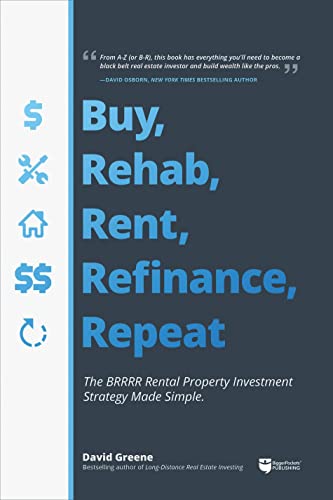
Buy, Rehab, Rent, Refinance, Repeat: The BRRRR Rental Property Investment Strategy Made Simple
As an affiliate, we earn on qualifying purchases.
As an affiliate, we earn on qualifying purchases.
Conclusion
Buying property in Portugal can feel like maneuvering a charming maze—exciting yet complex. By understanding the process, working with trusted experts, and staying patient, you’ll find your perfect home or investment. Remember, with careful planning and a bit of determination, you’ll open Portugal’s hidden treasures like a key turning smoothly in a well-crafted lock. Embrace the journey, and soon you’ll be enjoying the beauty and warmth of your new Portuguese property.
The Ultimate Portugal Property Buying Guide 2025/26 Edition
As an affiliate, we earn on qualifying purchases.
As an affiliate, we earn on qualifying purchases.
The Ultimate Portugal Property Buying Guide 2025/26 Edition
As an affiliate, we earn on qualifying purchases.
As an affiliate, we earn on qualifying purchases.