To minimize foreign transaction fees, use credit cards that waive these charges, like travel-specific or cashback cards. Always pay in local currency instead of opting for dynamic currency conversion, which usually offers poor rates. Avoid cash withdrawals with your debit card or choose global ATM networks to cut costs. Check your card’s policies beforehand for any exceptions. For more tips on saving money abroad with your credit cards, keep exploring the options available.
Key Takeaways
- Choose credit cards with no foreign transaction fees, such as those from Capital One or Discover.
- Always pay in local currency to avoid dynamic currency conversion fees and unfavorable exchange rates.
- Use ATMs within global networks to withdraw cash with minimal or no additional fees.
- Review your card’s terms to understand specific fee policies and potential exceptions before traveling.
- Minimize card usage and plan expenses to reduce cumulative fees during your trip.
Thinking about using your credit card abroad? It’s a smart move for convenience and safety, but you should be aware of foreign transaction fees that can add to your costs. Most major U.S. credit cards charge a fee ranging from 1% to 3% of each transaction after currency conversion, with the average around 2.61% to 3%. Nearly half of all U.S. credit cards come with this fee, so it’s essential to know whether your card is one of them. Visa and Mastercard typically add a 1% processing fee, while U.S. banks add another 1% to 2%. These fees show up as separate line items on your statement, so you’ll see exactly how much extra you’re paying for the privilege of swiping abroad. Understanding foreign transaction fees can help you make smarter choices about which cards to use. When you make a purchase or withdraw cash from an ATM outside the U.S., the fee is calculated as a percentage of the converted amount, not the foreign currency total. The fee kicks in whenever a foreign bank processes the transaction or if currency conversion is involved. Debit cards can also incur similar fees, especially if they’re not linked to a global ATM network. Be cautious about opting for dynamic currency conversion at the point of sale, as it often offers poor exchange rates and additional charges. Always choose to pay in local currency, and review your card’s terms beforehand to understand the policies. Being aware of payment security measures can also help protect you from potential fraud when using cards abroad. Some issuers stand out by not charging foreign transaction fees at all. Capital One and Discover, for example, offer all their cards without these fees, which is a huge advantage if you travel frequently. Other major banks like Chase, Citi, and Bank of America often charge the standard 3%, though they have select cards that waive this fee, usually in exchange for an annual fee. Credit unions tend to have lower fees, averaging around 1.15%, making them a good option for travelers. Always check your card’s terms, since exceptions exist even within the same issuer. To minimize or avoid foreign transaction fees, opt for credit cards explicitly designed for international travel that waive these charges. Choose cards with no annual fee and no foreign transaction fee, and consider using a debit card linked to global ATM networks for cash withdrawals. Be mindful of how often and how much you spend abroad, as even a 3% fee adds up—$3 on every $100 spent. Some rewards or travel cards help offset these costs through points or perks, but they may come with annual fees. By planning ahead, you can considerably reduce the extra costs and make your travel expenses more predictable.

WINGS Craft & Fundraising Supply Checkbook Cover with a 50 Page Bank Transaction Register and Photo Credit Card Holder Insert (Monarch Photo/G)
Standard colored vinyl checkbook cover with handcrafted or quality photo-printed insert.
As an affiliate, we earn on qualifying purchases.
As an affiliate, we earn on qualifying purchases.
Frequently Asked Questions
Can I Use My Credit Card Without Notifying My Bank Abroad?
You can use your credit card abroad without notifying your bank, but it’s risky. Many banks flag foreign transactions for fraud prevention, which could freeze your account or decline purchases. To avoid inconvenience, it’s best to inform your bank beforehand. This way, your card stays active, and you won’t face unexpected declines. Always double-check your bank’s policy, and consider enabling travel alerts through your online banking platform.
What Should I Do if My Card Is Declined Overseas?
You should contact your bank right away if your card gets declined overseas. Sometimes, banks block transactions they see as unusual, especially abroad, which can be frustrating. Calling your bank helps verify your identity and lifts any restrictions. Always carry a backup card or cash in case of emergencies. Planning ahead, like notifying your bank of your travel plans, can prevent these issues altogether.
Are There Specific Credit Cards Better for International Travel?
Yes, some credit cards are better for international travel. Look for cards with no foreign transaction fees, which save you money on purchases abroad. Travel-focused credit cards often offer perks like travel insurance, rewards, and no ATM withdrawal fees in foreign countries. Choose a card from a major network like Visa or Mastercard for wider acceptance. Before traveling, compare options to find the one that best suits your needs and minimizes extra charges.
How Do Currency Exchange Rates Affect My Credit Card Charges?
Currency exchange rates directly impact your credit card charges because your bank converts your purchase amount into your home currency. If the rate is unfavorable, you’ll pay more. Exchange rates fluctuate daily, so your transaction might cost more or less depending on when you buy. To save, check the rates beforehand and consider cards that offer more favorable currency conversion terms, helping you avoid unexpected costs.
Can I Avoid Foreign Transaction Fees Altogether?
Yes, you can avoid foreign transaction fees altogether. Look for credit cards that specifically waive these fees, often labeled as travel or no-foreign-transaction-fee cards. Use these cards for your purchases abroad, and you’ll save money. Make sure to read the fine print, as some cards may have annual fees or other restrictions. Planning ahead guarantees you enjoy your trip without unnecessary charges.
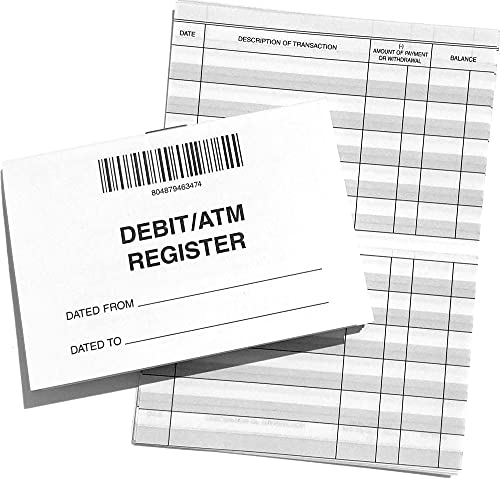
Debit ATM Mini Checkbook Registers with Balance Column (Set of 10)
Mini Debit Bank Transaction Register
As an affiliate, we earn on qualifying purchases.
As an affiliate, we earn on qualifying purchases.
Conclusion
Remember, your credit card is your passport to seamless travel, but without careful planning, fees can turn your adventure into a financial storm. Think of your card as a trusted compass—guiding you safely through unfamiliar waters. By choosing the right cards, understanding the fees, and staying vigilant, you can navigate foreign expenses smoothly. So, equip yourself wisely, and let your travel experience shine brighter than any fee shadow lurking in the distance.

Credit Card Mastery: Stop Wasting Money on Interest and Fees -Learn the Proven System to -How to Avoid Debt Traps, Boost Your Credit Score, and Use Cards to Fund Travel, Cashback, and Business Growth
As an affiliate, we earn on qualifying purchases.
As an affiliate, we earn on qualifying purchases.

Peicees World Travel Essentials Currency and Passport Organizers Cash Cards Tickets Holder RFID Blocking Wallet, Lake Blue
RFID Blocking: Organize currency, passport and cards with RFID shielded pouches. Anti-RFID (radio frequency identification), protect personal privacy,…
As an affiliate, we earn on qualifying purchases.
As an affiliate, we earn on qualifying purchases.