🔍 Read the full analysis: What OpenAI’s Business Profiles Mean For Its Google-Like Ambitions on ThorstenMeyerAI.com

Get smart everyday buys delivered free with Prime
- Fast, free delivery on millions of items
- Prime Video, Amazon Music and more included
- Member-only deals all year
TL;DR
OpenAI launched Businesses in ChatGPT in beta on Nov. 10, letting companies claim profiles, add product data and see aggregated visibility metrics. Eligible U.S. businesses can also offer labeled AI agents, including agents that can be sponsored. The tools point toward a larger role for ChatGPT in business discovery, but pricing, reach and how profiles affect answers remain unclear.
OpenAI launched Businesses in ChatGPT in beta on Nov. 10, giving companies a way to claim and verify profiles, add product information and track how they appear in chatbot responses. The tools also let some U.S. businesses offer labeled AI agents, as OpenAI adds business discovery features to ChatGPT.
The launch has two parts. In Business Hub, a company can claim its profile, update key details and provide product feeds with prices and availability. OpenAI says the Hub will show aggregated data such as mentions in ChatGPT responses, profile views, website clicks and topics that lead users to the business. The company has not publicly detailed the verification process.
The second feature, Business Agents, is available at launch to eligible e-commerce and online service businesses in the United States. A user who encounters a participating business in a ChatGPT answer can open a separate conversation with its agent and ask about its offerings. Businesses supply the agent’s instructions and information; OpenAI says the conversations are clearly labeled and separate from the user’s main chat.
Companies can sponsor their Business Agent as a destination for ChatGPT Ads, with sponsored placements labeled, according to OpenAI’s launch information as reported by Reuters, The Verge and TechCrunch. OpenAI says it does not share users’ conversations or Business Agent chats with businesses, and that insights appear only after activity passes certain thresholds.
What ChatGPT’s business tools mean for OpenAI’s Google-like ambitions
Businesses in ChatGPT gives companies new ways to manage their information and engage potential customers. How profiles affect answers and what the metrics are worth remain unclear.
A new business presence
Companies can supply information and see some aggregated signals about discovery.
Manage the profile
Companies can claim profiles, update details and add product feeds with prices and availability.
Track discovery signals
Aggregated data may include mentions, profile views, website clicks and topics that lead users to a business.
How users reach businesses
Profiles and agents create distinct paths from a ChatGPT interaction to a company.
A user encounters a participating business in a ChatGPT answer.
Eligible U.S. businesses can offer a clearly labeled, separate conversation about their offerings.
Businesses can sponsor their agent as a ChatGPT Ads destination; sponsored placements are labeled.
Similar idea, open questions
The model recalls Google Business Profile, but its effect on recommendations is not established.
- Claim and update profile details
- Provide product information
- Offer a labeled agent if eligible
- Whether profiles affect answers or visibility
- How metrics are measured and compared
- Pricing for profiles and analytics
A New Channel for Business Discovery
The tools give companies a potential presence inside ChatGPT as consumers use conversational services to seek recommendations and compare options. A profile lets a company supply current details and product data; the metrics could show whether users encounter that information and click through to its site. The extent to which these tools make business visibility in chatbot answers measurable will depend on the data OpenAI provides.
The structure resembles parts of Google Business Profile: businesses manage information about themselves and monitor how people find them. But the products are not identical. OpenAI has announced profile management and aggregated insights, not a guarantee that a claimed profile will be recommended or ranked in any particular way. The launch introduces business discovery tools, while leaving the mechanics of discovery and the value of the metrics unresolved.
For users, business agents offer a way to ask questions about products or services without leaving ChatGPT. They are distinct from answers generated by ChatGPT: a conversation with a business’s own agent is a separate experience. OpenAI says these conversations are labeled and separated, and sponsored destinations add a paid option to the path from a ChatGPT interaction to a business.
Products Worth Considering
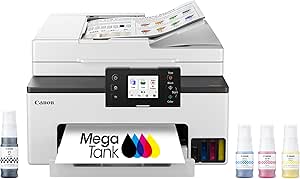
Canon MAXIFY GX2020 MegaTank Wireless All-in-One Color Inkjet Printer

Dell UltraSharp U2724DE 27-Inch WQHD IPS Black Monitor
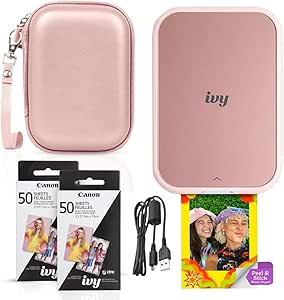
Canon IVY 2 Mini Photo Printer Bundle, Blush Pink
As an affiliate, we earn on qualifying purchases.
From ChatGPT Answers to Business Tools
OpenAI described the launch as an early step toward bringing businesses more deeply into ChatGPT. The company said it was starting with accurate business information, useful insights and conversations intended to help people make decisions. OpenAI Vice President of Monetization Benji Shomair said the company uses multiple verification methods for different kinds of businesses and markets. Existing Enterprise customers and advertisers can claim profiles through their OpenAI representative; Shopify merchants can connect through Business Hub or Shopify’s admin tools.
The announcement follows an earlier attempt to make ChatGPT a shopping destination with direct checkout and a commission model. TechCrunch reported that the effort did not gain traction and was retired in March. The new features instead center on profiles, product data, business-run agents and advertising. OpenAI had also said in August that ChatGPT Ads had reached a $1 billion annualized revenue run rate, a figure describing the pace of revenue at that time, not a reported full-year total.
Other developments reported on Nov. 10 provide financial and product context but are distinct from the profile launch. Startup founder Francis Davidson announced that OpenAI acquired his AI travel agent company, Odessia, and that he would join OpenAI; the terms were not disclosed, and an OpenAI spokesperson confirmed the hire to TechCrunch. The Information reported third-quarter revenue of about $10 billion; Bloomberg reported growth of nearly 50% from the prior quarter, citing a person familiar with the matter. OpenAI has not published financial statements. The Wall Street Journal, as reported by Reuters, said operating losses widened to $10.9 billion in the quarter.
How ChatGPT Will Surface Businesses
OpenAI has not explained how profile information affects ChatGPT answers, whether verified businesses receive any visibility advantage, or how the service handles conflicting or outdated details. The company has also not published a complete account of verification rules, the activity thresholds for insights, or whether businesses will pay to use the core profile and analytics tools.
The available metrics are aggregated, and OpenAI has not specified their full methodology, reporting periods or coverage. That makes it difficult to compare performance across businesses or judge how much customer activity the figures represent. The launch information also does not say how widely Business Agents will become available beyond eligible U.S. businesses, or what controls users will have over interactions with them.
OpenAI’s reported revenue and losses are separate from the product announcement and have not been documented in company financial statements. The reported figures rely on media accounts and sources cited by those outlets. The business impact of the profiles, agents and sponsored placements has not yet been established.
Beta Rollout and Business Adoption
OpenAI says Businesses in ChatGPT is in beta, with profile claiming and product-feed connections available through Business Hub and, for Shopify merchants, Shopify’s admin tools. Further details on access, verification, analytics and sponsored agents may emerge as the beta develops.
Businesses can review their profile information and product availability, but the launch does not establish that doing so will improve their appearance in ChatGPT answers. Users can expect labeled, separate conversations when they open a participating Business Agent; OpenAI has not specified how those agents and sponsored destinations may be presented as the rollout expands.
Key Questions
What did OpenAI announce?
OpenAI launched Businesses in ChatGPT in beta. Companies can claim profiles, add business and product information, and view aggregated figures such as mentions, profile views and website clicks. Eligible U.S. businesses can also offer labeled Business Agents.
Is this the same as Google Business Profile?
It has a similar idea: companies manage their information and monitor discovery. But OpenAI has not said that claiming a profile changes a company’s ranking or guarantees that ChatGPT will recommend it. The tools and their effects are not yet fully defined.
Can businesses pay to appear in ChatGPT?
OpenAI says a business can sponsor its Business Agent as a destination for ChatGPT Ads, and sponsored placements are labeled. The announcement does not provide full pricing or explain how paid placements interact with ordinary ChatGPT recommendations.
Does OpenAI share users’ chats with companies?
OpenAI says it does not share users’ conversations or Business Agent chats with businesses. It says Business Hub insights are aggregated and shown only once activity passes certain thresholds.
Will a verified profile make a business appear more often?
That is not clear. OpenAI has not explained how claimed profiles or product feeds affect the answers ChatGPT generates, or whether verification changes a business’s visibility.
Source: ThorstenMeyerAI.com