Choosing the right money mindset book requires matching the content style to your current financial literacy level and psychological barriers. The Psychology of Money by Morgan Housel stands out as the best overall choice because it focuses on behavior over complex math, making it accessible for almost every reader. For those seeking actionable exercises, Money Mindset Workbook offers a structured path to unlearning bad habits, while Think and Grow Rich remains the definitive classic for those who prefer foundational principles. The primary tradeoff in this category is between theoretical understanding and practical application; some books explain why you struggle with money, while others give you the tools to fix it. Read on to see which of these fourteen titles aligns best with your specific financial goals and learning preferences.

Get smart everyday buys delivered free with Prime
- Fast, free delivery on millions of items
- Prime Video, Amazon Music and more included
- Member-only deals all year
Key Takeaways
- Behavioral focus outweighs technical advice: The most effective books in this roundup prioritize understanding human error and emotional triggers over providing specific stock tips or investment formulas.
- Specific audiences require specific voices: General titles often fail niche groups; Money Mindset for Teens and Church Edition demonstrate that tailored language and context significantly improve engagement and retention.
- Classic status does not equal modern relevance: While Think and Grow Rich is foundational, its archaic language and mystical elements may hinder progress for readers seeking data-driven or psychological explanations.
- Active participation yields better results: Books that include workbooks, exercises, or specific daily habits (like Rich AF) tend to produce more tangible behavioral changes than passive reading experiences.
- Format matters for retention: Short, punchy lessons (as seen in The Psychology of Money) are easier to retain than dense, linear narratives, especially for readers with busy schedules.
| Money Mindset Shift: Church Edition — The Top 9 Myths That Keep Christians Stuck Financially and How to Get Unstuck, Live Debt-Free, and Build Wealth |  | Best for Faith-Based Money Guidance | Format: Book | Edition focus: Church Edition | Audience focus: Christians | VIEW ON AMAZON | See Our Full Breakdown |
| The Rich Money Mindset: Master Your Habits, Build Wealth And Thrive In Any Economy |  | Best for Habit-Focused Wealth Building | Format: Not specified | Stated focus: Financial habits and wealth building | Mindset theme: Thriving across economic conditions | VIEW ON AMAZON | See Our Full Breakdown |
| Money Mindset: The Psychology of Why You Earn, Spend, and Self-Sabotage the Way You Do |  | Best for Understanding Money Behavior | Format: Not specified | Subject: Money psychology | Behavior topics: Earning, spending, and self-sabotage | VIEW ON AMAZON | See Our Full Breakdown |
| Rich AF: The Winning Money Mindset That Will Change Your Life |  | Best for Motivation and Momentum | Format: Not specified | Stated focus: Developing a winning money mindset | Approach: Motivational with practical strategies | VIEW ON AMAZON | See Our Full Breakdown |
| The Money Mindset: Rewire Your Thinking, Transform Your Behavior, And Build Lasting Wealth |  | Best for Long-Term Behavior Change | Format: Not specified | Stated focus: Rewiring money-related thinking | Behavior theme: Transforming behavior | VIEW ON AMAZON | See Our Full Breakdown |
| Money Mindset for Teens and Young Adults |  | Best for Beginners | Format: Paperback/Ebook | Target Audience: Teens and Young Adults | Structure: 31-Day Program | VIEW ON AMAZON | See Our Full Breakdown |
| Think and Grow Rich: Revised and Updated Edition | 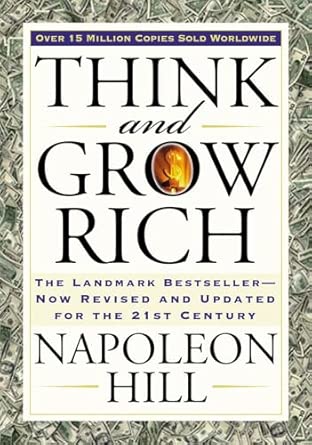 | Best Classic for Modern Readers | Edition: Revised and Updated | Author: Napoleon Hill | Focus: Success Principles and Mindset | VIEW ON AMAZON | See Our Full Breakdown |
| Money Mindset: Wealth Building Roadmap for Network Marketers |  | Best for Network Marketers | Target Audience: Network Marketers | Focus: Wealth Building Roadmap | Format: Book | VIEW ON AMAZON | See Our Full Breakdown |
| The Money Mindset: Rewire Your Thinking, Transform Your Behavior, and Build Lasting Wealth |  | Best for Behavioral Change | Focus: Behavioral Transformation | Goal: Lasting Wealth | Method: Rewiring Thinking | VIEW ON AMAZON | See Our Full Breakdown |
| The Psychology of Money: Timeless Lessons on Wealth, Greed, and Happiness |  | Best Overall | Author: Morgan Housel | Focus: Behavioral Finance | Format: Book | VIEW ON AMAZON | See Our Full Breakdown |
| Money Mindset Workbook: A Powerful Tool to Change Your Money Mindset and Create Financial Freedom |  | Best for Active Learners | Format: Workbook | Focus: Mindset Change | Goal: Financial Freedom | VIEW ON AMAZON | See Our Full Breakdown |
| Money Mindset: The Psychology of Why You Earn, Spend, and Self-Sabotage the Way You Do (The Money Psychology Series) |  | Best for Self-Sabotage Analysis | Series: The Money Psychology Series | Focus: Psychology of Spending | Key Theme: Self-Sabotage | VIEW ON AMAZON | See Our Full Breakdown |
| Millionaire Mindset and Success Habits |  | Best for Habit Formation | Series: The Authority & Wealth Series | Focus: Habit Formation | Key Theme: Overcoming Limiting Beliefs | VIEW ON AMAZON | See Our Full Breakdown |
| You Are a Badass at Making Money: Master the Mindset of Wealth | 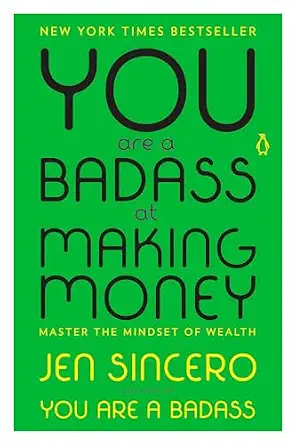 | Best for Motivational Energy | Tone: Motivational and Blunt | Focus: Mindset of Wealth | Approach: Personal Anecdotes | VIEW ON AMAZON | See Our Full Breakdown |
| money mindset book | Format | Focus | Approach |
|---|---|---|---|
| Money Mindset Shift: Church Ed | Book | — | Faith-focused money mindset |
| The Rich Money Mindset: Master | Not specified | — | Habit-focused |
| Money Mindset: The Psychology | Not specified | — | — |
| Rich AF: The Winning Money Min | Not specified | — | Motivational with practical strategies |
| The Money Mindset: Rewire Your | Not specified | — | Mindset and personal growth |
| Money Mindset for Teens and Yo | Paperback/Ebook | — | — |
| Think and Grow Rich: Revised a | Book | Success Principles and Mindset | — |
| Money Mindset: Wealth Building | Book | Wealth Building Roadmap | — |
| The Money Mindset: Rewire Your | Book | Behavioral Transformation | — |
| The Psychology of Money: Timel | Book | Behavioral Finance | — |
| Money Mindset Workbook: A Powe | Workbook | Mindset Change | — |
| Money Mindset: The Psychology | Non-fiction Book | Psychology of Spending | Diagnostic |
| Millionaire Mindset and Succes | Non-fiction Book | Habit Formation | Behavioral Structuring |
| You Are a Badass at Making Mon | — | Mindset of Wealth | Personal Anecdotes |
More Details on Our Top Picks
Money Mindset Shift: Church Edition — The Top 9 Myths That Keep Christians Stuck Financially and How to Get Unstuck, Live Debt-Free, and Build Wealth
Money Mindset Shift: Church Edition stands apart by examining financial beliefs through a Christian lens, rather than treating mindset as a general path to wealth. Its focus on nine myths gives the book a clear organizing idea, while its debt-free and wealth-building aims connect beliefs to practical financial goals. Compared with The Rich Money Mindset, which centers on habits and resilience across economic conditions, this book is more specifically aimed at readers whose faith shapes how they think about money. The available description does not explain how detailed its guidance is, though, so readers seeking step-by-step budgeting or debt plans may want more information before choosing it. Its faith-specific approach is a strong fit for some readers and a narrower one for others.
Pros:- Frames money mindset questions from a Christian perspective.
- Organizes its subject around nine financial myths.
- Addresses getting out of debt as well as building wealth.
- Connects beliefs about money with concrete financial aims.
Cons:- The available product information does not establish the depth of its advice.
- Its faith-centered framing may not suit readers looking for a secular approach.
- Specific budgeting steps and financial planning tools are not described.
Best for: Christian readers who want to examine money beliefs alongside goals for getting out of debt and building wealth.
Not ideal for: Readers seeking a secular approach or detailed, verified budgeting instructions; the available description does not establish how practical or in-depth the guidance is.
- Format:Book
- Edition focus:Church Edition
- Audience focus:Christians
- Organizing concept:Nine financial myths
- Financial topics:Getting out of debt and building wealth
- Approach:Faith-focused money mindset
Our verdict“Choose this if you want a Christian perspective on money beliefs, debt, and wealth building, rather than a broadly secular habits guide.”
The Rich Money Mindset: Master Your Habits, Build Wealth And Thrive In Any Economy
The Rich Money Mindset is the clearest fit here for readers who want to connect everyday habits with wealth-building goals. Its description also stresses maintaining financial progress in different economic conditions, giving it a broader resilience angle than Money Mindset Shift: Church Edition, which is aimed at Christians and centers on financial myths. That makes this a more general-purpose choice for readers who want their mindset work to extend beyond a single financial challenge. The tradeoff is that the available information does not name specific habits, exercises, or strategies, so the promise of practical guidance is not enough to judge how actionable the book is. Choose it for its combination of habit formation and economic adaptability, not for a confirmed step-by-step plan.
Pros:- Links financial habits with wealth-building goals.
- Addresses financial decision-making across different economic conditions.
- Has a broad audience fit compared with the faith-specific Church Edition.
- Puts habit formation at the center of its stated approach.
Cons:- The available description does not identify particular habits or exercises.
- The depth and practicality of its strategies cannot be determined from the supplied details.
- Readers seeking a focused debt-reduction method may prefer a book that explicitly centers debt.
Best for: Readers looking to build steadier financial habits and maintain wealth-building goals through changing economic conditions.
Not ideal for: Buyers who need a clearly documented budgeting method, specific exercises, or proven detail about the book’s practical guidance.
- Format:Not specified
- Stated focus:Financial habits and wealth building
- Mindset theme:Thriving across economic conditions
- Approach:Habit-focused
- Financial scope:Building wealth
- Audience:Not specified
Our verdict“Pick this if you want a general habit-centered money mindset book with an emphasis on financial resilience, while accepting that its specific methods are not described.”
Money Mindset: The Psychology of Why You Earn, Spend, and Self-Sabotage the Way You Do
Money Mindset: The Psychology of Why You Earn, Spend, and Self-Sabotage the Way You Do is the most behavior-focused option in this group. Rather than leading with debt reduction, as Money Mindset Shift: Church Edition does, its stated subject is the psychology behind earning, spending, and financial self-sabotage. That makes it a natural choice for readers who want to inspect the patterns behind their decisions before pursuing a wealth-building strategy. The supplied details do not describe exercises, a framework, or specific remedies, so I would not treat its psychological focus as proof that it offers a hands-on behavior-change program. It is differentiated by the questions it asks about money behavior, but readers who need immediate financial tactics may find its described scope too reflective.
Pros:- Focuses directly on the psychology behind money behavior.
- Covers earning and spending as well as self-sabotage.
- Offers a different emphasis from books centered primarily on habits or debt.
- May help readers identify behavioral patterns behind financial choices.
Cons:- The available description does not specify exercises or practical interventions.
- No format or other product specifications were supplied.
- Its stated psychological focus may not satisfy readers seeking immediate financial planning guidance.
Best for: Readers who want to explore how their thoughts and behavior may shape earning, spending, and recurring money problems.
Not ideal for: Readers looking primarily for a detailed budget, debt payoff schedule, or clearly described wealth-building steps.
- Format:Not specified
- Subject:Money psychology
- Behavior topics:Earning, spending, and self-sabotage
- Stated focus:How money mindset may influence financial behavior
- Series:Not specified in the supplied product data
- Practical exercises:Not specified
Our verdict“Choose this when understanding your earning, spending, and self-sabotaging patterns matters more than getting a clearly outlined financial plan.”
Rich AF: The Winning Money Mindset That Will Change Your Life
Rich AF is positioned as the motivational pick: it pairs money mindset development with practical strategies and an encouraging tone. That makes it a different kind of choice from Money Mindset: The Psychology of Why You Earn, Spend, and Self-Sabotage the Way You Do, which is framed around understanding behavior rather than energizing a wealth-building push. The appeal here is momentum—readers who feel stuck may respond to a direct, success-oriented approach. The tradeoff is that the supplied description flags limited detail on financial planning, and the emphasis may lean more toward motivation than instruction. I would choose it to reinforce ambition and action, not as a substitute for a detailed plan covering budgets, saving, or debt.
Pros:- Combines mindset development with stated practical strategies.
- Uses a motivational approach aimed at financial progress.
- Keeps wealth-building central to its message.
- Offers a more energizing emphasis than the psychology-led Money Mindset title.
Cons:- The supplied description indicates limited detail on financial planning.
- Its motivational emphasis may leave readers wanting more step-by-step instruction.
- Specific strategies and exercises are not identified in the available information.
Best for: Readers who want an encouraging, wealth-oriented mindset book to build motivation and pursue financial goals.
Not ideal for: Readers who need detailed financial planning instructions, specific budgeting tools, or a strongly analytical treatment of money behavior.
- Format:Not specified
- Stated focus:Developing a winning money mindset
- Approach:Motivational with practical strategies
- Financial aim:Financial success and wealth building
- Planning detail:Description notes limited financial planning detail
- Audience:Not specified
Our verdict“Pick this for motivation and a wealth-building mindset, but look elsewhere if detailed financial planning is your main need.”
The Money Mindset: Rewire Your Thinking, Transform Your Behavior, And Build Lasting Wealth
The Money Mindset: Rewire Your Thinking, Transform Your Behavior, And Build Lasting Wealth connects three ideas—changing thought patterns, shifting behavior, and pursuing lasting wealth—into one broad personal-development arc. Compared with Rich AF, which is described as motivational and potentially lighter on financial planning, this title puts more emphasis on rewiring behavior over time. That makes it appealing to readers who see money decisions as habits to change, not just goals to chase. The limitation is that the product information does not identify concrete methods or show how its advice translates into daily financial actions. Its long-term framing is promising, but readers who need a specific budget or debt plan may find Money Mindset Shift: Church Edition more explicit about one financial objective.
Pros:- Links mindset change with behavior change and lasting wealth.
- Makes long-term financial development part of its stated focus.
- Offers a behavior-oriented alternative to Rich AF’s motivational emphasis.
- Speaks to readers who want to address patterns as well as financial outcomes.
Cons:- The available description does not identify specific methods or exercises.
- The advice may feel theoretical to readers seeking immediate practical steps.
- No format or further technical details were supplied.
Best for: Readers seeking a personal-growth approach that links changing money beliefs and behavior with long-term wealth goals.
Not ideal for: Readers who want clearly documented exercises, a detailed budget, or specific debt-management instructions.
- Format:Not specified
- Stated focus:Rewiring money-related thinking
- Behavior theme:Transforming behavior
- Financial aim:Building lasting wealth
- Approach:Mindset and personal growth
- Practical methods:Not specified in the supplied product data
Our verdict“Choose this for a long-term mindset-and-behavior focus, but not if you need a clearly specified financial action plan.”
Money Mindset for Teens and Young Adults
This book stands out for its structured 31-day format, which breaks down complex financial concepts into manageable daily lessons. Unlike The Psychology of Money, which relies on narrative case studies, this guide uses interactive activities to reinforce learning. It addresses specific pain points for younger readers, such as student debt and budgeting, rather than general wealth philosophy. The tone is accessible, avoiding the jargon that often alienates first-time investors. However, the focus on attracting wealth may feel vague to those seeking hard math or investment strategies. It is better suited for building foundational habits than executing advanced financial plans.
Pros:- Breaks down financial literacy into 31 digestible daily lessons
- Includes practical activities to reinforce budgeting and saving habits
- Addresses student debt specifically, a key concern for young adults
Cons:- The concept of ‘attracting wealth’ lacks concrete financial mechanisms
- May feel too simplistic for readers with prior financial knowledge
Best for: Teens and college students who need a low-pressure, activity-based introduction to personal finance and debt management.
Not ideal for: Experienced investors looking for advanced portfolio strategies or readers who prefer narrative-driven financial history.
- Format:Paperback/Ebook
- Target Audience:Teens and Young Adults
- Structure:31-Day Program
- Key Topics:Budgeting, Student Debt, Wealth Mindset
- Methodology:Lessons and Activities
- ASIN:B0C5PJG464
Our verdict“This pick makes the most sense for young adults who need a gentle, structured entry point into financial responsibility.”
Think and Grow Rich: Revised and Updated Edition
Napoleon Hill’s principles remain influential, but this edition updates the language to resonate with 21st-century readers. Compared to The Psychology of Money, which focuses on behavioral economics, this book emphasizes psychological conditioning and desire. The revision helps bridge the gap between early 20th-century industrial advice and modern career paths. However, if you have already read the original, the new material here is minimal. It serves more as a refreshed presentation than a substantive rethink. This option is ideal for those who find the original text’s archaic tone a barrier to entry.
Pros:- Modernizes the language of a classic self-help masterpiece
- Preserves Hill’s core success principles while updating examples
- Accessible to readers who find older self-help texts difficult
Cons:- Limited new content for those familiar with the original edition
- Still relies heavily on mindset over practical financial mechanics
Best for: Readers who want the foundational success principles of Hill but struggle with the dated language of the original text.
Not ideal for: Those who have already read the original edition, as the updated content offers limited new value.
- Edition:Revised and Updated
- Author:Napoleon Hill
- Focus:Success Principles and Mindset
- Context:21st Century Updates
- Format:Book
- ASIN:1585424331
Our verdict“This model is better suited to newcomers who need a modernized entry into Hill’s philosophy without the friction of antiquated prose.”
Money Mindset: Wealth Building Roadmap for Network Marketers
This title targets a niche audience often overlooked by general finance books. While The Psychology of Money offers universal lessons, this book tailors its mindset advice to the network marketing model. It likely addresses the unique psychological hurdles of commission-based income and recruitment. The specificity is its greatest strength, providing relevance that broader titles lack. However, the lack of detailed public information on its contents is a significant drawback. Readers cannot easily verify if the advice is practical or purely motivational. It is a high-risk, high-reward pick for those already immersed in direct sales.
Pros:- Tailored specifically to the psychological needs of network marketers
- Addresses wealth building within a commission-based context
- Niche focus provides relevance missing in general finance books
Cons:- Limited public information on specific contents and methodology
- Niche appeal restricts usefulness for the general population
Best for: Network marketers and direct sales professionals seeking mindset strategies specific to their industry.
Not ideal for: General consumers or traditional employees, as the advice may not translate to salaried or corporate environments.
- Target Audience:Network Marketers
- Focus:Wealth Building Roadmap
- Format:Book
- Subject:Money Mindset
- ASIN:168102148X
- Product Type:Book
Our verdict“This option stands out for direct sales professionals who need mindset tools relevant to their specific income structure.”
The Money Mindset: Rewire Your Thinking, Transform Your Behavior, and Build Lasting Wealth
This book prioritizes the psychological rewiring of financial habits over tactical advice. Unlike Think and Grow Rich, which leans on aspirational thinking, this guide appears to focus on behavioral transformation. The title suggests a clinical or therapeutic approach to money anxiety and spending triggers. It is a strong choice for those who understand what to do but struggle to execute consistently. The downside is the lack of detailed content previews, making it hard to judge the depth of the behavioral science involved. It pairs well with practical budgeting tools but may lack standalone tactical steps.
Pros:- Focuses on rewiring deep-seated thinking patterns
- Aims to transform behavior rather than just impart knowledge
- Targets lasting wealth through psychological stability
Cons:- Lacks detailed public information on specific techniques
- May not provide enough tactical financial advice on its own
Best for: Individuals who know the mechanics of finance but struggle with impulse spending or money anxiety.
Not ideal for: Readers looking for specific investment vehicles or step-by-step wealth-building plans.
- Focus:Behavioral Transformation
- Goal:Lasting Wealth
- Method:Rewiring Thinking
- Format:Book
- ASIN:B0H5G1FHVF
- Subject:Money Mindset
Our verdict“This pick makes the most sense for those who need to address the root psychological causes of their financial habits.”
The Psychology of Money: Timeless Lessons on Wealth, Greed, and Happiness
Morgan Housel’s work is widely regarded as the benchmark for modern financial literacy. Compared to Think and Grow Rich, which focuses on individual desire, this book examines how personal history and bias shape financial decisions. It uses short, digestible chapters to illustrate that doing well with money has little to do with intelligence and everything to do with behavior. The lack of specific tactics is a feature, not a bug; it teaches you how to think about risk, luck, and compounding. While it doesn’t offer a roadmap for network marketers or teens, its universal applicability makes it the strongest recommendation for the majority of readers seeking a robust money mindset.
Pros:- Explains the behavioral side of finance with clarity and wit
- Uses real-world examples to illustrate complex concepts
- Universally applicable regardless of income level or profession
Cons:- Does not provide specific investment recommendations
- May feel too abstract for those wanting actionable financial steps
Best for: Anyone seeking a nuanced, psychologically grounded understanding of how money actually works in real life.
Not ideal for: Readers who want specific investment strategies, technical analysis, or niche industry advice.
- Author:Morgan Housel
- Focus:Behavioral Finance
- Format:Book
- Topics:Wealth, Greed, Happiness
- Style:Timeless Lessons
- ASIN:0857197681
Our verdict“This option stands out as the essential read for understanding the human element behind every financial decision.”
Money Mindset Workbook: A Powerful Tool to Change Your Money Mindset and Create Financial Freedom
This Money Mindset Workbook distinguishes itself by demanding active participation rather than passive reading. Unlike The Psychology of Money, which relies on narrative case studies to shift perspective, this option provides structured space for personal reflection and direct application. The workbook format is ideal for readers who struggle to translate abstract financial concepts into daily habits, as it forces engagement with specific prompts. However, the lack of detailed content previews makes it a riskier purchase for those who prefer knowing the exact methodology before buying. Compared to You Are a Badass at Making Money, which leans heavily on motivational anecdotes, this tool is more utilitarian. It serves as a practical companion for those who need to write down their fears and goals to feel progress. If you learn best by doing, this structured approach offers a tangible path forward, though it requires more effort than a standard audiobook.Pros:- Active engagement format promotes deeper retention of financial concepts
- Directly targets mindset shifts through actionable exercises
- Complements theoretical books by providing a practical application layer
Cons:- Limited public visibility into specific exercises or chapter structure
- Requires significant time investment compared to passive reading formats
Best for: Readers who retain information better through writing and need a structured tool to bridge the gap between theory and practice.
Not ideal for: Listeners who prefer consuming content hands-free or those who want a quick read without homework assignments.
- Format:Workbook
- Focus:Mindset Change
- Goal:Financial Freedom
- Interaction Level:High
- Target Audience:Active Learners
- Content Type:Exercises and Prompts
Our verdict“Choose this if you want to actively rewrite your financial habits through guided exercises rather than just reading about them.”
Money Mindset: The Psychology of Why You Earn, Spend, and Self-Sabotage the Way You Do (The Money Psychology Series)
This entry in The Money Psychology Series takes a clinical approach to financial behavior, focusing specifically on the mechanisms of self-sabotage. Where Rich AF offers aggressive motivation to break out of ruts, this book dissects the underlying psychological triggers that cause recurring financial mistakes. It is particularly effective for readers who understand the “what” but not the “why” of their spending patterns. The psychological framing helps identify hidden emotional drivers behind earning and spending, offering a diagnostic perspective rather than just a prescriptive one. Compared to Think and Grow Rich, which focuses on desire and belief, this option delves deeper into behavioral psychology. The tradeoff is that it may feel less immediately actionable for those seeking a step-by-step budgeting plan. It serves best as a diagnostic tool to uncover deep-seated money blocks before attempting broader wealth-building strategies.Pros:- Deep dive into the psychology of financial self-sabotage
- Part of a cohesive series allowing for broader psychological exploration
- Focuses on diagnostic understanding rather than just motivational fluff
Cons:- May lack concrete tactical steps for immediate financial improvement
- Series format might require purchasing multiple books for full context
Best for: Individuals who repeatedly fall into the same financial traps and need to understand the psychological root causes of their behavior.
Not ideal for: Beginners looking for immediate tactical advice on saving or investing without first addressing psychological barriers.
- Series:The Money Psychology Series
- Focus:Psychology of Spending
- Key Theme:Self-Sabotage
- Approach:Diagnostic
- Format:Non-fiction Book
- Target Issue:Behavioral Patterns
Our verdict“Ideal for those who need to diagnose why they keep failing financially before they can successfully implement new strategies.”
Millionaire Mindset and Success Habits
Millionaire Mindset and Success Habits bridges the gap between mental shifts and daily routines, positioning itself within The Authority & Wealth Series. Unlike The Psychology of Money, which emphasizes timeless lessons on greed and happiness, this title is more prescriptive about overcoming limiting beliefs through specific habit changes. It appeals to readers who feel stuck not because they lack knowledge, but because they lack structure. The focus on success habits provides a framework for consistent action, which contrasts with the more abstract motivational tone of You Are a Badass at Making Money. While it covers the mental aspects of wealth, the real value lies in its translation of mindset into behavioral routines. The potential drawback is that it may feel repetitive to those already well-versed in standard habit-formation literature. However, for those needing a direct link between belief systems and daily financial actions, this offers a clear, structured path.Pros:- Connects limiting belief removal with practical habit formation
- Structured approach to integrating mindset into daily routines
- Part of a series focused on authority and wealth building
Cons:- May overlap significantly with general self-help habit books
- Less focus on technical financial mechanics
Best for: Readers who understand the theory of wealth but struggle to implement consistent daily habits that support financial growth.
Not ideal for: Those looking for advanced investment strategies or complex financial modeling techniques.
- Series:The Authority & Wealth Series
- Focus:Habit Formation
- Key Theme:Overcoming Limiting Beliefs
- Goal:Financial Freedom
- Approach:Behavioral Structuring
- Format:Non-fiction Book
Our verdict“A solid choice for those who need to translate financial beliefs into consistent, daily behavioral changes.”
You Are a Badass at Making Money: Master the Mindset of Wealth
You Are a Badass at Making Money stands out for its high-energy, accessible tone, making it the most approachable option in this lineup. Compared to the clinical analysis in Money Mindset: The Psychology of Why You Earn, this book prioritizes empowerment and confidence over deep psychological dissection. It uses personal anecdotes and blunt language to break down mental barriers, appealing to readers who need an emotional jolt rather than a academic lecture. The motivational content is highly effective for those who feel paralyzed by financial anxiety, offering a sense of permission to pursue wealth. However, the tradeoff is a lack of technical depth; it does not provide detailed investment strategies or complex budgeting frameworks. While Millionaire Mindset and Success Habits offers more structure, this book offers more momentum. It is best used as a catalyst to start a financial journey, rather than a comprehensive manual for executing it.Pros:- Highly accessible and engaging writing style
- Effective at breaking down mental barriers through personal storytelling
- Strong focus on empowerment and overcoming fear
Cons:- Lacks detailed technical financial strategies or investment advice
- Motivational tone may feel repetitive to those seeking analytical depth
Best for: Readers who need an emotional boost and permission to pursue wealth, particularly those who find traditional finance books dry or intimidating.
Not ideal for: Advanced investors or those seeking detailed, step-by-step technical financial advice.
- Tone:Motivational and Blunt
- Focus:Mindset of Wealth
- Approach:Personal Anecdotes
- Target Audience:Hesitant Beginners
- Content Type:Self-Help/Motivation
- Depth:Conceptual/Emotional
Our verdict“The best pick for those who need a confidence boost and a relatable voice to overcome initial financial hesitation.”

How We Picked
I evaluated these fourteen titles based on their ability to bridge the gap between financial theory and personal action. My primary criterion was behavioral applicability: does the book provide concrete steps to change spending or saving habits, or does it remain abstract? I also assessed clarity and accessibility, ensuring that complex psychological concepts were explained without unnecessary jargon. This helps readers understand why they make financial mistakes without feeling overwhelmed by academic language.
Another key factor was audience specificity. I distinguished between general audience books and those targeting niches like teens, network marketers, or religious communities. Books that attempted to be everything to everyone were ranked lower than those with a clear, focused voice. Finally, I considered the longevity of the advice, favoring timeless principles over trendy, short-term financial hacks that may expire quickly.
| money mindset book | Format |
|---|---|
| Money Mindset Shift: Church Ed | Book |
| The Rich Money Mindset: Master | Not specified |
| Money Mindset: The Psychology | Not specified |
| Rich AF: The Winning Money Min | Not specified |
| The Money Mindset: Rewire Your | Not specified |
| Money Mindset for Teens and Yo | Paperback/Ebook |
| Think and Grow Rich: Revised a | Book |
| Money Mindset: Wealth Building | Book |
| The Money Mindset: Rewire Your | Book |
| The Psychology of Money: Timel | Book |
| Money Mindset Workbook: A Powe | Workbook |
| Money Mindset: The Psychology | Non-fiction Book |
| Millionaire Mindset and Succes | Non-fiction Book |
| You Are a Badass at Making Mon | — |
Factors to Consider When Choosing Money Mindset Book
Before purchasing, understand that a money mindset book is a tool for psychological restructuring, not a financial calculator. The following factors will help you select the right instrument for your specific financial situation.
Assess Your Current Financial Literacy Level
Not all money mindset books start at the same baseline. If you are already familiar with basic budgeting, investing, and debt management, a book that spends fifty pages explaining compound interest will feel redundant and frustrating. Conversely, if you are starting from zero, a book that assumes you know what a ‘401(k)’ is will leave you behind. Identify your knowledge gap first. Do you need to understand what to do with money (literacy) or why you don’t do it (mindset)? The best books in this category focus on the latter, but they must still respect your existing knowledge level to maintain engagement. Choose a title that meets you where you are, not where you wish you were.
Distinguish Between Passive Reading and Active Work
Some books are designed to be read once and shelved, while others are designed to be used repeatedly. If you struggle with procrastination or forgetting advice, a workbook-style title is superior to a narrative. These formats force you to confront your own numbers and beliefs through exercises, journaling prompts, and specific action items. Passive reading often creates a false sense of progress; you feel informed but remain unchanged. Active workbooks demand accountability. If you prefer listening to podcasts or reading novels, a narrative-driven book like The Psychology of Money might stick better in your memory than a rigid checklist, but you must be disciplined enough to apply the lessons yourself.
The source of the advice matters as much as the advice itself. An author who built wealth through real estate investing has a different perspective than one who built wealth through corporate career climbing or entrepreneurship. Match the author’s background to your goals. If you are a freelancer, advice tailored to salaried employees may not apply to your irregular income streams. Similarly, be wary of books that promise overnight wealth or use manipulative language. Credible authors acknowledge risk, complexity, and the role of luck. They provide frameworks for thinking, not secret formulas for getting rich. Look for authors who cite behavioral psychology or economic history, as this indicates a grounded approach rather than pure hype.
Consider Your Tolerance for Spiritual or Philosophical Framing
Many money mindset books blend financial advice with spiritual or philosophical concepts like ‘manifestation,’ ‘abundance,’ or ‘faith.’ Some readers find this empowering and motivating, while others find it unscientific and distracting. Be honest about your receptiveness to metaphysical claims. If you are a skeptic, a book heavily reliant on ‘energy’ or ‘vibration’ will likely cause you to disengage. In contrast, if you find motivation through spiritual alignment, a secular, data-heavy book might feel cold and uninspiring. There is no right answer, but misalignment here is the most common reason readers abandon these books halfway through.
Check for Relevance to Your Life Stage
Financial challenges change dramatically from your twenties to your fifties. A book aimed at teens and young adults will focus on starting early and avoiding student debt, which may feel patronizing to a mid-career professional. Conversely, a book focused on retirement planning and estate preservation may feel irrelevant and anxious-inducing to a college student. Align the content with your current life stage. Are you trying to get out of debt? Start investing? Scale a business? Protect wealth? Specificity in life stage ensures the examples and case studies resonate with your actual daily struggles, making the advice easier to implement.
Frequently Asked Questions
Can reading a book really change how I handle money?
Yes, but only if the book triggers behavioral change rather than just informational gain. Reading about compound interest does not automatically make you save more; however, understanding your emotional triggers for spending can. The most effective books in this category use cognitive behavioral techniques to help you identify and interrupt negative patterns. If you read passively, the effect fades quickly. If you apply the exercises and reflect on your habits, the neural pathways associated with financial decision-making can shift over time. The key is consistency and application, not just consumption.
Are classic books like Think and Grow Rich still relevant today?
Think and Grow Rich remains relevant for its core principles of desire, faith, and persistence, but its language and examples are dated. The book was written in 1937, and its emphasis on ‘definiteness of purpose’ and mystical elements can feel alienating to modern readers who prefer data-driven or psychologically grounded advice. It is best suited for readers who enjoy historical context and motivational philosophy rather than practical, step-by-step financial planning. If you want actionable, modern advice on investing or budgeting, newer titles in this roundup are more appropriate. Use the classic for inspiration, but pair it with a modern practical guide for execution.
What is the difference between money mindset and financial literacy?
Financial literacy is knowing how to manage money—understanding taxes, interest rates, investment vehicles, and budgeting mechanics. Money mindset is understanding why you manage it that way—your beliefs, fears, and habits regarding wealth. You can be highly literate but still self-sabotage due to poor mindset. For example, you may know exactly how to index fund investing works but avoid it due to a fear of loss rooted in childhood trauma. The books in this category primarily address the mindset side, helping you overcome the psychological barriers that prevent you from applying your literacy.
Should I buy a workbook or a standard book?
Choose a workbook if you are an active learner who needs structure to implement changes. Workbooks force you to write down your values, track your spending, and answer difficult questions about your relationship with money. This active engagement leads to higher retention and faster behavioral shifts. Choose a standard book if you prefer narrative flow and are disciplined enough to apply lessons on your own. If you have tried reading financial books before and forgot the content within a week, a workbook is likely the better investment because it creates a tangible record of your progress and insights.
How long does it take to see results from a money mindset book?
Behavioral change is gradual, so you should not expect immediate financial windfalls. However, you may notice shifts in your daily spending decisions within a few weeks of applying specific techniques. For instance, pausing before making impulse purchases is a habit that can be established quickly. Deeper changes, such as overcoming a fear of investing or negotiating a raise, may take months of consistent practice. The books that provide daily or weekly exercises tend to produce measurable changes in confidence and decision-making within the first 30 to 60 days.
Conclusion
Selecting the right money mindset book depends on your preferred learning style and current financial challenges. For most readers, The Psychology of Money offers the best balance of insight and readability, making it the best overall choice. If you need hands-on guidance to break specific habits, Money Mindset Workbook is the best value for active learners. For beginners or younger readers, Money Mindset for Teens and Young Adults provides the necessary foundational language without overwhelming complexity. If you are seeking a classic motivational boost, Think and Grow Rich remains a timeless, albeit dated, inspiration. Ultimately, the best book is the one you will actually finish and apply to your daily financial decisions.