
Choosing the right budget planner journal in 2026 means balancing space, features, and your personal planning style. The Budget Planner Journal: Daily, Weekly & Monthly Budget Workbook makes a compelling case for detailed, all-in-one planning with 130 pages designed for a year of tracking, but its lack of digital integration may be a drawback for tech-savvy users. The Budget Planner Notebook, 120 Pages, 8.5 x 11 inches offers a straightforward, spacious option ideal for those who prefer simplicity and large writing areas, yet it lacks organizational features like tabs or sections, which could limit long-term usability. Meanwhile, the Budget Planner Journal: Daily, Weekly & Monthly 12-Month/53-Week Budget Planner Workbook provides extensive coverage for weekly and daily expense tracking, perfect for detailed planners but might feel overwhelming for casual users. This roundup weighs these tradeoffs to help you pick the most suitable budget journal for your financial goals.

Get smart everyday buys delivered free with Prime
- Fast, free delivery on millions of items
- Prime Video, Amazon Music and more included
- Member-only deals all year
Key Takeaways
- Large size (8.5×11 inches) offers ample space but may be bulky for on-the-go use.
- More pages and detailed sections benefit users who want comprehensive tracking, but can overwhelm casual budgeters.
- Plain designs favor minimalists, while some options lack organizational features like tabs or prompts.
- Physical-only planners may suit traditional users but lack digital features for tech-oriented planners.
- Price and durability vary; higher page counts and quality paper cost more but improve longevity.
| Budget Planner Notebook, 120 Pages, 8.5 x 11 inches |  | Best for Simple, Spacious Budgeting | Pages: 120 | Size: 8.5 x 11 inches | VIEW ON AMAZON | See Our Full Breakdown | |
| Budget Planner Journal: Daily, Weekly & Monthly Budget Workbook, 1 Year, 8.5×11, 130 Pages |  | Best for Comprehensive Year-Long Planning | Size: 8.5×11 inches | Pages: 130 | Duration: 1 year | VIEW ON AMAZON | See Our Full Breakdown |
| Budget Planner Notebook, Journal, 120 Pages, 8.5 x 11 |  | Best for Versatile Personal and Professional Use | Pages: 120 | Size: 8.5 x 11 inches | VIEW ON AMAZON | See Our Full Breakdown | |
| Budget Planner Journal: Daily, Weekly & Monthly 12-Month/53-Week Budget Planner Workbook – 8.5×11, 130 Sheets | 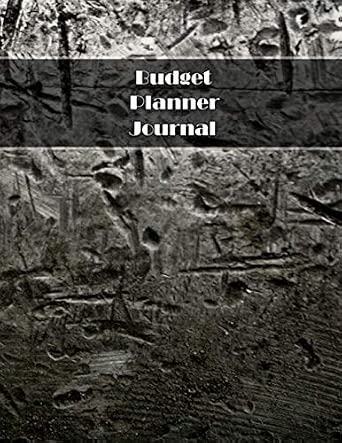 | Best for Extended Weekly and Daily Planning | Size: 8.5×11 inches | Sheets: 130 | VIEW ON AMAZON | See Our Full Breakdown |
| budget planner journal | Size | Pages |
|---|---|---|
| Budget Planner Notebook | 8.5 x 11 inches | 120 |
| Budget Planner Journal: Daily | 8.5×11 inches | 130 |
| Budget Planner Notebook | 8.5 x 11 inches | 120 |
| Budget Planner Journal: Daily | 8.5×11 inches | — |
More Details on Our Top Picks
Budget Planner Notebook, 120 Pages, 8.5 x 11 inches
This planner stands out for its large, 8.5 x 11-inch size, giving you plenty of room to write detailed expenses and financial goals. It’s a straightforward, no-frills option that appeals to those who prefer a plain, functional notebook without the distraction of tabs or pre-designed sections. Compared with other planners, this one emphasizes space over structure, which makes it ideal for personal use or those who want flexibility. The main tradeoff is its lack of organizational features—no tabs, prompts, or motivational elements—so it may not suit users seeking guided or more structured planning. Still, its simplicity and size make it a practical choice for those who prioritize ample writing area.
Pros:- Large size offers plenty of space for detailed entries
- Simple, functional design minimizes distractions
- Ideal for personal and informal financial tracking
Cons:- No organizational features like tabs or sections
- Plain cover may lack visual appeal
- Limited to basic expense and goal tracking
Best for: Budgeters who favor straightforward, large-format notebooks for personal finance management without the need for additional features.
Not ideal for: Users who prefer guided planning, organizational sections, or digital integration, as this planner is purely physical and minimalistic.
- Pages:120
- Size:8.5 x 11 inches
Our verdict“A spacious, no-nonsense notebook perfect for those who want large writing areas and minimal structure.”
Budget Planner Journal: Daily, Weekly & Monthly Budget Workbook, 1 Year, 8.5×11, 130 Pages
This planner makes the most sense for users seeking a detailed, all-in-one financial organizer. Its 130 pages are divided into daily, weekly, and monthly sections, providing a structured approach to tracking expenses throughout the year. Compared with other options, its focus on comprehensive planning makes it ideal for serious budgeters or those with complex financial goals. However, it lacks digital features or tools, which could be a downside for tech-savvy users wanting hybrid solutions. The high-quality paper ensures durability and smooth writing, but the physical-only format limits flexibility. This journal’s strength lies in its detailed layout, making it suited for disciplined planners who prefer physical records.
Pros:- Comprehensive daily, weekly, and monthly sections
- High-quality paper enhances durability and writing experience
- Ideal for detailed, disciplined financial planning
Cons:- No digital integration or tools
- Limited to physical use only
- May be overwhelming for casual users
Best for: Users who want an all-in-one, detailed, physical budget planner that covers daily to monthly tracking for a full year.
Not ideal for: Casual budgeters or those who prefer digital or hybrid planning tools, since it doesn’t include digital features or prompts.
- Size:8.5×11 inches
- Pages:130
- Duration:1 year
Our verdict“A detailed, comprehensive planner best suited for dedicated budgeters who prefer physical records over digital tools.”
Budget Planner Notebook, Journal, 120 Pages, 8.5 x 11
This option shares many similarities with the first notebook, emphasizing large size and ample space for tracking expenses. It’s well-suited for both personal and professional financial planning, offering a durable cover and quality paper. Compared to the first product, it adds a slight edge in versatility but remains straightforward with no organizational features like tabs or prompts. Its plain design might appeal to minimalists but could be less motivating for those who benefit from guided layouts. The main tradeoff is that it doesn’t include any motivational or organizational prompts, so users need to be self-driven in their planning.
Pros:- Large size provides extensive writing space
- Suitable for personal and professional use
- Durable cover and quality paper
Cons:- No organizational sections or prompts
- Plain design may lack motivational elements
- Limited to basic expense tracking
Best for: Individuals seeking a flexible, large-format notebook for personal or professional financial tracking without extensive organizational features.
Not ideal for: Budgeters who prefer guided sections, prompts, or digital tools for structured planning.
- Pages:120
- Size:8.5 x 11 inches
Our verdict“A versatile large-format notebook ideal for those who want simple, flexible financial tracking without added organizational features.”
Budget Planner Journal: Daily, Weekly & Monthly 12-Month/53-Week Budget Planner Workbook – 8.5×11, 130 Sheets
This planner excels for users who want to organize expenses over a full year or even 53 weeks, with 130 sheets designed for detailed daily, weekly, and monthly tracking. Its large 8.5 x 11-inch size delivers plenty of writing space, making it suitable for those who prefer extensive notes and records. Compared with other options, this planner emphasizes extended planning periods, which benefits users with complex or fluctuating budgets. However, it doesn’t include prompts, notes sections, or organizational features, so it’s better suited for disciplined planners comfortable with a straightforward format. Its limited features mean it might not appeal to those seeking motivational elements or hybrid digital options.
Pros:- Extended planning over 12 months or 53 weeks
- Large size offers abundant writing space
- 130 sheets for long-term use
Cons:- Lacks prompts or organizational features
- Limited to physical planning only
- No digital or interactive elements
Best for: Budgeters who need a comprehensive, long-term planner for daily, weekly, and monthly expense management over a year or more.
Not ideal for: Casual or beginner budgeters who want guided prompts, motivational sections, or digital features.
- Size:8.5×11 inches
- Sheets:130
Our verdict“A robust, long-term planner designed for disciplined, detailed budget tracking over extended periods.”

How We Picked
Our selection process focused on balancing size, page count, organizational features, and overall usability for budget-minded users. We prioritized planners that offer ample space for detailed tracking, as well as those with clear, user-friendly layouts. We considered the durability of materials, the inclusion of helpful sections, and whether the product caters to different types of budgeters—from beginners to seasoned organizers. Cost was also a factor, ensuring options provide good value without sacrificing essential features. Ultimately, our picks aim to reflect a variety of needs within a budget-friendly scope, helping readers find the best fit for their financial planning style.
Factors to Consider When Choosing Budget Planner Journal
Selecting the right budget planner journal depends on your financial habits, organizational preferences, and whether you value simplicity or detailed tracking. It’s important to consider the size, page count, format, and whether the planner offers organizational features like prompts, tabs, or sections. Think about your comfort with physical versus digital tools, as well as how much space you need for notes and tracking. The goal is to find a journal that encourages consistent use and aligns with your budgeting style, whether that’s minimalist or comprehensive.Size and Page Count
Large-sized planners (8.5 x 11 inches) provide generous space for detailed entries, but they can be cumbersome to carry around daily. If portability is a priority, consider smaller or more streamlined options. The page count influences how long you can use the planner before replacing it; higher page counts suit long-term planning, while fewer pages might fit casual, short-term budgets.
Organizational Features
Features like tabs, prompts, and sections can help structure your financial records, making it easier to locate information and stay motivated. Simpler notebooks offer flexibility but require more self-discipline to stay organized. Assess whether you prefer guided layouts or freeform note-taking based on your budgeting style.
Design and Format
Plain designs favor minimalists and those who prioritize function over form, while aesthetic touches or motivational prompts can boost engagement. Consider whether you want a sturdy cover for durability or lightweight material for portability. Also, think about whether you prefer a purely physical planner or one with integrated digital features for added convenience.
Frequently Asked Questions
Are budget planner journals suitable for beginners?
Yes, many budget planner journals are suitable for beginners, especially those with simple layouts and straightforward sections. They can help new budgeters establish a routine, track expenses, and understand their spending habits without feeling overwhelmed by complex features. Look for options with clear instructions or guided prompts if you’re just starting out.
Can I use these planners for digital budgeting?
Most of the options listed are strictly physical planners, which means you need to record your expenses manually. If you prefer digital budgeting, you might want to consider complementary apps or hybrid solutions. However, physical planners can be more engaging for those who prefer writing by hand and avoiding screen time.
How important is page size in a budget planner?
Page size greatly affects usability; larger pages, like 8.5 x 11 inches, offer more room for detailed notes but can be less portable. Smaller sizes are easier to carry but may limit how much you can write per page. Your choice depends on whether you prioritize detailed entries or mobility.
Do I need organizational features like tabs or prompts?
Organizational features can make tracking easier and more motivating, especially for users who want a guided experience. Tabs help separate sections like income, expenses, or savings, while prompts encourage reflection and goal setting. If you prefer freeform notes, a simple notebook might suffice.
Are these planners suitable for professional use?
Yes, some options, particularly larger and more durable notebooks, can be used for professional financial planning or business expense tracking. They provide ample space for detailed records, but lack features like accounting integrations or digital backups, which might be necessary for more complex financial management in a professional context.
Conclusion
For casual budgeters or those new to financial planning, a simple, spacious notebook like the Budget Planner Notebook, 120 Pages offers straightforward tracking without extra features. Dedicated planners with structured sections, such as the Budget Planner Journal: Daily, Weekly & Monthly, are better suited for disciplined users seeking comprehensive, long-term management. Those who prefer versatility and extended periods of planning might opt for the Budget Planner Journal: 12-Month/53-Week Workbook. Ultimately, your choice hinges on your budget, organizational style, and whether you favor guided prompts or freeform note-taking. Prioritize what aligns with your habits and goals to make the most of your financial journey in 2026.
Halloween Picks
halloween
As an affiliate, we earn on qualifying purchases.