Automated investment platforms have transformed how individuals grow their wealth, offering hands-off strategies powered by AI and algorithms. The best overall pick in 2026 is Invest Smart AI, known for its balanced approach to risk and user-friendly interface. Robo-Advisor Pro stands out for those seeking advanced customization, while Beginner’s Bot is perfect for newcomers without prior experience. Each platform balances features, cost, and ease of use differently, creating tradeoffs that matter depending on your investment goals. Continue reading for a detailed breakdown of each option and help narrowing down your ideal choice.

Get smart everyday buys delivered free with Prime
- Fast, free delivery on millions of items
- Prime Video, Amazon Music and more included
- Member-only deals all year
Key Takeaways
- The top platforms are differentiated by levels of customization versus simplicity, catering to different investor needs.
- Cost structures vary significantly; some platforms charge flat fees, others take a percentage of assets, influencing overall value.
- AI integration and no-code setups are common, but true automation also depends on the platform’s ability to adapt to market changes.
- Platforms with educational resources tend to be better for beginners, while advanced investors prioritize customization and analytics.
- Tradeoffs often involve balancing automation sophistication with ease of use and cost, making clarity about personal goals essential.
| AI Trading Bots for Beginners: Build Automated Trading Systems with No-Code Tools, Simple Strategies & Step-by-Step Bot Setup |  | Best for No-Code Beginners | Target Audience: Beginners with no coding experience | Focus: No-code AI trading bot setup | Skill Level: Beginner | VIEW LATEST PRICE | See Our Full Breakdown |
| AI Trading for Beginners: How to Build Your Own Automated Trading System with ChatGPT and Claude, No Coding Required |  | Best for AI Tool Beginners | Target Audience: AI-curious beginners | Focus: ChatGPT and Claude for automation | Skill Level: Beginner | VIEW LATEST PRICE | See Our Full Breakdown |
| Invest Smarter with AI: A Practical Guide to Long-Term Investing, Financial Planning, and Building Wealth | 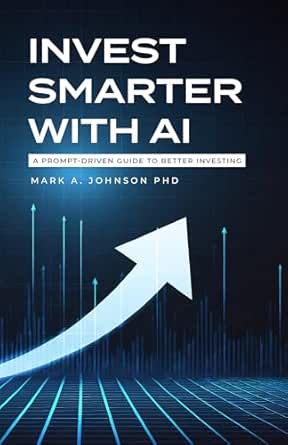 | Best for Long-Term Wealth Building | Target Audience: Long-term investors and planners | Focus: AI in wealth building | Skill Level: Beginner to intermediate | VIEW LATEST PRICE | See Our Full Breakdown |
| Build a Robo-Advisor with Python (From Scratch): Automate Your Financial and Investment Decisions |  | Best for Coders and Tech-Savvy Investors | Target Audience: Programmers and tech-savvy investors | Focus: Python coding for robo-advisors | Skill Level: Intermediate to advanced | VIEW LATEST PRICE | See Our Full Breakdown |
| How to Make Money in Investments with Robo Advisors: Proven Strategies, Tools, and Methods to Build Wealth with Automated Investing, AI-Powered Smart Financial Planning |  | Best for Wealth Strategy Integration | Target Audience: Beginners and experienced investors | Focus: Proven strategies with robo advisors | Skill Level: Beginner to intermediate | VIEW LATEST PRICE | See Our Full Breakdown |
| The Little Book of Robo Investing: How to Make Money While You Sleep |  | Best for Beginners Seeking Practical Robo-Investing Insights | Audience: Beginners interested in robo-investing | Focus: Passive income strategies | Content Depth: Introductory | VIEW LATEST PRICE | See Our Full Breakdown |
| The Automated Millionaire – Build Wealth on Autopilot with AI in 2025 |  | Best for Futurists Interested in AI-Driven Wealth Strategies | Audience: Futurists and tech-savvy investors | Content Focus: AI and future wealth automation | Practicality: Limited; more speculative | VIEW LATEST PRICE | See Our Full Breakdown |
| ETF Investing with AI for Complete Beginners: How to Use AI Tools Like Claude to Invest in Stocks |  | Best for Beginners Interested in ETF Investing with AI Assistance | Audience: Complete beginners interested in ETFs and AI | Focus: ETF investing with AI tools | Technical Depth: Basic | VIEW LATEST PRICE | See Our Full Breakdown |
| automated investment platform | Focus | Target Audience | Skill Level | Strategies Covered |
|---|---|---|---|---|
| AI Trading Bots for Beginners: | No-code AI trading bot setup | Beginners with no coding experience | Beginner | Simple and effective |
| AI Trading for Beginners: How | ChatGPT and Claude for automation | AI-curious beginners | Beginner | Basic |
| Invest Smarter with AI: A Prac | AI in wealth building | Long-term investors and planners | Beginner to intermediate | Long-term |
| Build a Robo-Advisor with Pyth | Python coding for robo-advisors | Programmers and tech-savvy investors | Intermediate to advanced | Custom automation |
| How to Make Money in Investmen | Proven strategies with robo advisors | Beginners and experienced investors | Beginner to intermediate | Wealth building, AI planning |
| The Little Book of Robo Invest | Passive income strategies | — | — | — |
| The Automated Millionaire | — | — | — | — |
| ETF Investing with AI for Comp | ETF investing with AI tools | — | — | — |
More Details on Our Top Picks
AI Trading Bots for Beginners: Build Automated Trading Systems with No-Code Tools, Simple Strategies & Step-by-Step Bot Setup
This book stands out for its approachable introduction to creating AI trading bots without any programming skills. Compared to AI Trading for Beginners, it emphasizes simple, no-code tools and straightforward strategies, making it ideal for absolute beginners. However, it doesn’t explore advanced trading techniques, which could limit growth for more serious traders. Its clear, step-by-step instructions make automation accessible, but its scope remains basic. It’s best suited for newcomers who want quick, easy entry into automated trading without technical complexity.
Pros:- Easy-to-follow instructions for beginners
- No coding required, lowering entry barriers
- Covers simple yet effective trading strategies
Cons:- Limited scope for advanced trading techniques
- Focuses mainly on no-code tools, restricting customization
Best for: Beginners with no coding experience who want to start automating trades quickly
Not ideal for: Experienced traders seeking advanced strategies or customization options
- Target Audience:Beginners with no coding experience
- Focus:No-code AI trading bot setup
- Skill Level:Beginner
- Strategies Covered:Simple and effective
- Technical Content:Low
- Advanced Techniques:No
Our verdict“This book is perfect for complete beginners eager to set up basic AI trading bots without technical hurdles.”
AI Trading for Beginners: How to Build Your Own Automated Trading System with ChatGPT and Claude, No Coding Required
This pick excels at guiding novices through building AI-powered trading systems using popular tools like ChatGPT and Claude, with step-by-step instructions. Compared with AI Trading Bots for Beginners, it emphasizes AI chat models rather than no-code platforms, making it more approachable for users interested specifically in conversational AI. Its lack of detailed technical explanations may leave more advanced traders wanting deeper insights, but it offers practical guidance for those new to AI trading. Ideal for beginners who want to leverage AI chat tools for automation without programming.
Pros:- No coding experience needed
- Practical guidance on ChatGPT and Claude
- User-friendly for AI newcomers
Cons:- Lacks detailed technical explanations
- Limited coverage of complex strategies
Best for: Beginners interested in AI chat-based trading automation
Not ideal for: Traders seeking detailed technical or coding guidance
- Target Audience:AI-curious beginners
- Focus:ChatGPT and Claude for automation
- Skill Level:Beginner
- Strategies Covered:Basic
- Technical Content:Limited
- Advanced Strategies:No
Our verdict“This book makes AI-powered trading accessible for beginners focused on conversational AI tools without technical barriers.”
Invest Smarter with AI: A Practical Guide to Long-Term Investing, Financial Planning, and Building Wealth
This guide emphasizes applying AI tools to long-term investing and financial planning, making it suitable for those focused on wealth accumulation over time. Unlike Build a Robo-Advisor with Python, which is more technical and coding-oriented, this book focuses on strategic insights and practical tools for broad financial growth. Its lack of technical depth may frustrate readers seeking to build or customize automation systems, but it offers actionable strategies for serious investors. Best suited for investors aiming to integrate AI into their wealth-building journey without technical complexity.
Pros:- Practical AI-based investing strategies
- Focus on long-term financial growth
- Helpful for building overall wealth
Cons:- Lacks detailed technical content
- No specific target audience beyond general investors
Best for: Long-term investors wanting AI-driven financial planning
Not ideal for: Technical enthusiasts seeking to develop or code their own automation tools
- Target Audience:Long-term investors and planners
- Focus:AI in wealth building
- Skill Level:Beginner to intermediate
- Strategies Covered:Long-term
- Technical Content:Low
- Automation Development:No
Our verdict“This book is ideal for investors seeking strategic, AI-enhanced wealth growth without diving into programming details.”
Build a Robo-Advisor with Python (From Scratch): Automate Your Financial and Investment Decisions
Compared with the more accessible AI Trading Bots for Beginners, this book dives into coding a robo-advisor with Python, offering detailed technical guidance. It’s better suited to readers who want hands-on development skills and a deeper understanding of automation mechanics. The technical depth makes it less suitable for complete novices, and the lack of clear prerequisites might leave some readers uncertain if they can follow along. Its focus on coding makes it perfect for those interested in customizing their platform, but it might be overwhelming for casual investors. This pick is best for programmers or tech-savvy investors eager to create personalized investment tools from scratch.
Pros:- Practical guidance on building a robo-advisor with Python
- Covers automation of financial decisions
- Customizable and detailed technical instructions
Cons:- No detailed prerequisites listed, may be technical for beginners
- Lacks ratings or reviews, uncertain user feedback
Best for: Readers with programming experience or willing to learn Python for finance
Not ideal for: Beginners without coding background or those seeking quick automation solutions
- Target Audience:Programmers and tech-savvy investors
- Focus:Python coding for robo-advisors
- Skill Level:Intermediate to advanced
- Strategies Covered:Custom automation
- Technical Content:High
- Prerequisites:Basic Python knowledge
Our verdict“This book is suitable for programmers and motivated investors who want to develop customized automation solutions from scratch.”
How to Make Money in Investments with Robo Advisors: Proven Strategies, Tools, and Methods to Build Wealth with Automated Investing, AI-Powered Smart Financial Planning
This book offers a comprehensive look at proven strategies for leveraging robo advisors and AI-driven financial planning to build wealth. Unlike Invest Smarter with AI, which leans toward strategic guidance, this one emphasizes practical tools and methods for both beginners and seasoned investors. Its broad approach means it covers a range of tactics suitable for diverse investment styles, but it lacks specific product details or technical depth. This makes it a good read for those interested in understanding the strategic landscape of automated investing, rather than building or customizing platforms. Ideal for investors wanting proven methods to grow wealth using AI-powered automation.
Pros:- Provides proven investment strategies
- Includes insights into AI-powered financial planning
- Suitable for a wide range of investor experience levels
Cons:- Lacks detailed product features or technical instructions
- No pricing or user ratings info
Best for: Both beginners and experienced investors seeking proven wealth-building strategies
Not ideal for: Technical developers or those wanting to build their own automation systems from scratch
- Target Audience:Beginners and experienced investors
- Focus:Proven strategies with robo advisors
- Skill Level:Beginner to intermediate
- Strategies Covered:Wealth building, AI planning
- Technical Content:Low
- Development Focus:No
Our verdict“This book is tailored for investors interested in proven, strategic approaches to automated wealth growth without technical development.”
The Little Book of Robo Investing: How to Make Money While You Sleep
This book stands out for its accessible introduction to robo-advisors and passive income strategies, making it ideal for newcomers. Unlike more technical guides like ETF Investing with AI for Complete Beginners, it focuses on foundational concepts rather than detailed tools, which may leave advanced investors wanting more depth. Its emphasis on practical, easy-to-understand advice helps readers grasp how to automate their investments without overwhelming technical jargon. However, it offers limited insights into complex strategies or technical analysis, so those seeking advanced techniques may find it insufficient. Overall, this pick makes sense for individuals starting their journey into automated investing who prefer straightforward guidance over technical complexity.
Pros:- Provides practical, easy-to-understand insights into robo-investing
- Ideal for beginners interested in passive income strategies
- Focuses on foundational concepts without overwhelming technical details
Cons:- Lacks advanced investing strategies or technical analysis
- Offers limited depth and additional resources for further learning
Best for: Beginners curious about robo-investing and passive income generation with minimal prior knowledge
Not ideal for: Experienced investors seeking advanced technical strategies or detailed portfolio management techniques
- Audience:Beginners interested in robo-investing
- Focus:Passive income strategies
- Content Depth:Introductory
- Technical Detail:Minimal
- Learning Approach:Practical and accessible
- Coverage:Basic concepts in robo-investing
Our verdict“This book is well-suited for newcomers wanting a straightforward primer on automated investing and passive income ideas.”
The Automated Millionaire – Build Wealth on Autopilot with AI in 2025
This book makes an intriguing case for leveraging AI technologies to automate wealth building by 2025, especially appealing for readers fascinated by future financial trends. Compared with The Little Book of Robo Investing, which concentrates on current passive strategies, this title projects a forward-looking approach that emphasizes innovative AI solutions. While it offers bold ideas on automating wealth, it falls short on detailed implementation steps, making it more speculative than practical. Additionally, the lack of customer reviews or ratings makes its effectiveness harder to gauge. It’s best suited for tech-savvy investors excited by future possibilities rather than those seeking concrete, actionable plans today.
Pros:- Offers innovative strategies for automated wealth building with AI
- Focuses on future technology trends and potential
- Ideal for readers interested in cutting-edge financial automation
Cons:- Lacks detailed, actionable implementation steps
- Contains speculative content about future tech without concrete evidence
- No available customer ratings or reviews for validation
Best for: Futurists and tech enthusiasts eager to explore AI’s potential in wealth automation for 2025 and beyond
Not ideal for: Practical investors seeking step-by-step guidance or current strategies rather than speculative ideas
- Audience:Futurists and tech-savvy investors
- Content Focus:AI and future wealth automation
- Practicality:Limited; more speculative
- Technology Focus:AI in wealth management
- Publication Year:2025
- Level of Detail:Conceptual and forward-looking
Our verdict“This book is best for readers excited about future AI-driven wealth strategies, even if it lacks detailed, practical guidance today.”
ETF Investing with AI for Complete Beginners: How to Use AI Tools Like Claude to Invest in Stocks
This book makes ETF investing accessible by guiding complete beginners through using AI tools like Claude, offering clear step-by-step instructions. Unlike The Little Book of Robo Investing, which covers passive strategies broadly, it zooms in on ETFs and shows how AI can enhance stock selection and portfolio building. While it provides practical guidance, it doesn’t delve into advanced technical analysis or sophisticated AI techniques, making it less suitable for experienced investors seeking deep insights. Its focus on AI tools makes it perfect for those new to investing who want to incorporate AI into their strategy without complexity. For beginners eager to start with ETFs and AI, this is a compelling choice.
Pros:- Easy-to-understand guidance for ETF investing beginners
- Includes practical steps for using AI tools like Claude
- Focuses on accessible, straightforward investment strategies
Cons:- Lacks detailed technical analysis or advanced AI techniques
- Limited coverage of complex investment scenarios or strategies
Best for: Beginners interested in ETF investing and practical AI tool integration
Not ideal for: Seasoned investors seeking advanced AI investment techniques or detailed technical analysis
- Audience:Complete beginners interested in ETFs and AI
- Focus:ETF investing with AI tools
- Technical Depth:Basic
- Tools Covered:Claude and similar AI assistants
- Strategy Detail:Step-by-step guidance
- Complexity:Beginner-friendly
Our verdict“This book is ideal for beginners who want to combine ETF investing with simple AI tools without dealing with technical complexity.”

How We Picked
This lineup was assembled by evaluating each platform based on performance, usability, feature set, and value. I considered how well each platform automates investment decisions, the intuitiveness of their interfaces, and the transparency of their fee structures. Additional factors included customer support, educational resources, and how adaptable the platform is to different investor profiles. The ranking reflects a balance between accessibility for beginners and advanced options for seasoned investors, emphasizing real-world utility over flashy features. Platforms that excelled in multiple categories earned higher placement, while those with notable limitations or niche appeal ranked lower.| automated investment platform | Target Audience | Skill Level | Strategies Covered | Technical Content |
|---|---|---|---|---|
| AI Trading Bots for Beginners: | Beginners with no coding experience | Beginner | Simple and effective | Low |
| AI Trading for Beginners: How | AI-curious beginners | Beginner | Basic | Limited |
| Invest Smarter with AI: A Prac | Long-term investors and planners | Beginner to intermediate | Long-term | Low |
| Build a Robo-Advisor with Pyth | Programmers and tech-savvy investors | Intermediate to advanced | Custom automation | High |
| How to Make Money in Investmen | Beginners and experienced investors | Beginner to intermediate | Wealth building, AI planning | Low |
| The Little Book of Robo Invest | — | — | — | — |
| The Automated Millionaire | — | — | — | — |
| ETF Investing with AI for Comp | — | — | — | — |
Factors to Consider When Choosing Automated Investment Platforms
Choosing the right automated investment platform depends on understanding your personal investment goals, experience level, and budget. Beyond features, it’s important to consider how much control you want, the costs involved, and the platform’s reliability. This section explores key factors that can influence your decision, helping you avoid common pitfalls and select a platform aligned with your needs.Ease of Use and User Interface
For many, especially beginners, a simple, intuitive interface is vital. Platforms that streamline onboarding, provide clear dashboards, and minimize technical jargon reduce frustration and help maintain engagement. However, overly simplified platforms might lack advanced features for experienced investors, so weigh your comfort with technology against your need for control and customization.
Cost and Fee Structures
Fees can significantly influence long-term returns. Look for platforms with transparent fee models—flat fees, percentage-based, or tiered structures—understand what you’re paying, and compare them against the features offered. Some platforms charge higher fees for additional features or higher account balances, so evaluate whether those costs align with your investment size and expected activity level.
Automation Level and Customization
While most platforms automate core investment decisions, the degree of customization varies. Consider whether you prefer a platform that offers tailored portfolio adjustments, personalized advice, or preset strategies. Advanced investors might prioritize platforms that allow algorithm tweaking, while beginners often benefit from more guided, preset options to avoid decision fatigue.
Support and Educational Resources
Robust customer support and educational tools can make a difference, especially if you are new to investing. Platforms offering tutorials, webinars, or responsive assistance help build confidence and knowledge. For experienced investors, support features might be less critical, provided that the platform offers advanced analytics and flexible controls.
Integration and Compatibility
Check if the platform seamlessly integrates with your existing financial tools, bank accounts, and mobile devices. Compatibility ensures you can manage investments conveniently and get real-time updates. Also, consider whether the platform supports diverse investment products like ETFs, stocks, and bonds, aligning with your broader financial strategy.
Frequently Asked Questions
Can I switch between automated investment platforms easily?
Most platforms allow account transfers or partial withdrawals, but the ease of switching depends on the provider’s data portability and transfer process. Before committing, verify whether the platform supports seamless transfers and whether there are any fees involved. Planning for flexibility can save you time and costs if you decide to change providers later.
Are there risks associated with fully automated investing?
Yes, automated investing relies on algorithms that may not always adapt perfectly to sudden market shifts. While these platforms typically employ diversification and risk management strategies, they can’t eliminate risk entirely. It’s vital to choose a platform aligned with your risk tolerance and to understand that no investment is entirely risk-free.
How much money do I need to start investing with these platforms?
Minimum investment requirements vary widely. Some platforms allow accounts with just a few hundred dollars, making them accessible for beginners or those testing the waters. Others set higher minimums, which might suit more committed investors. Always verify minimums and consider if the platform’s fees are justified at your starting investment amount.
Do automated platforms provide tax optimization features?
Many platforms offer tax-efficient investing options, such as tax-loss harvesting or account management for retirement accounts. However, the extent and sophistication of these features differ. If tax optimization is a priority, look for platforms explicitly advertising these services or consult with a tax professional to complement your chosen platform.
Is it necessary to have prior investing knowledge to use these platforms?
No, most automated investment platforms are designed for users with little to no prior experience. They provide guided onboarding, preset strategies, and educational resources. However, having some basic understanding of investing principles can help you select the right platform and interpret its recommendations more effectively.
Conclusion
For those seeking a comprehensive, user-friendly experience, Invest Smart AI makes the most sense as an overall pick. Budget-conscious investors will appreciate ETF Investing with AI for its affordability, while advanced users should consider Build a Robo-Advisor with Python for maximum customization. Beginners benefit from platforms emphasizing simplicity and educational support, whereas experienced investors prioritize features like algorithm tweaking and detailed analytics. Clarifying your goals and comfort with technology will help you choose the best automated investment platform tailored to your needs.
Fall Picks
fall essentials
As an affiliate, we earn on qualifying purchases.