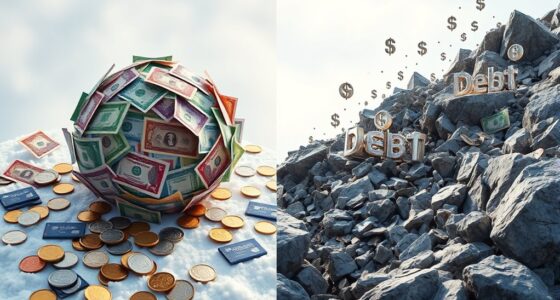

Inflation causes prices to rise, which means your money doesn’t buy as much as before. This reduces your purchasing power, making everyday expenses more costly. It can also impact your savings, investments, and borrowing costs—since lenders demand higher interest rates. Assets like property might increase in value, but overall, inflation can make your financial stability more uncertain. To protect yourself and understand how inflation influences your money, explore more about its effects and how to manage them.
Key Takeaways
- Inflation reduces the purchasing power of money, making goods and services more expensive over time.
- Rising prices can lead to higher interest rates, increasing borrowing costs for consumers and businesses.
- Asset values like real estate may increase, affecting wealth distribution and investment decisions.
- Unpredictable inflation can discourage savings and long-term planning due to price instability.
- Central banks manage inflation expectations to maintain economic stability and protect consumers’ financial well-being.
Have you ever wondered why prices for everyday goods and services keep rising? Inflation is the main reason, and it happens mainly through demand-pull, cost-push, and inflation expectations. When demand for goods and services outpaces supply, prices go up—that’s demand-pull inflation. Think about when consumers, businesses, or the government suddenly start spending more; this increased demand pushes companies to raise prices and wages to keep up. If exports grow or government spending increases, it can trigger this type of inflation. As prices rise, people tend to spend more, and employment often goes up temporarily. But if this cycle isn’t controlled, it can lead to even higher prices across many sectors, making everything more expensive.
Cost-push inflation works differently. It kicks in when the costs of production go up—like energy prices, raw materials, or wages. When energy prices spike or supply chains are disrupted, producers face higher costs. To maintain profits, they pass these costs onto consumers by raising prices. Natural disasters, geopolitical conflicts, or shortages in inputs like semiconductors or commodities can cause these supply shocks. Even if demand stays steady, prices still rise because producing goods becomes more expensive. This type of inflation can happen independently of how much people are spending, simply because it costs more to produce what we buy. Additionally, retail hours for stores can influence how quickly goods are restocked and prices adjusted, impacting inflation.
Inflation expectations also play a big role. When workers and businesses anticipate higher prices in the future, they act accordingly. Workers demand higher wages to keep up with expected increases, and companies raise their prices in advance. This behavior creates a wage-price spiral, where rising wages push prices higher, which then leads to further wage demands. These expectations often become self-fulfilling, especially if recent inflation trends suggest that prices will keep climbing. Central banks try to manage these expectations through policies and communication, aiming to keep inflation stable. When high inflation persists, it can change contract terms, like indexed wages and rents, making inflation even harder to control.
All these factors affect your purchasing power. As prices rise, each dollar you hold buys fewer goods and services. To compensate for this decline, lenders usually demand higher interest rates, which can slow down borrowing and investment. Asset prices, like homes, often increase, shifting wealth but also creating disparities. Uncertainty caused by inflation might make you hesitant to save or invest, impacting economic growth. While moderate inflation is normal, excessive inflation damages economic stability, making it harder to plan for the future.
Recent trends show how inflation can spike quickly. During the COVID-19 pandemic, supply chain disruptions caused shortages and price hikes in commodities like lumber and semiconductors. Geopolitical events, such as conflicts in Ukraine, pushed up fuel and food prices worldwide, fueling inflation further. Recognizing these causes helps you understand why your cost of living rises and how policymakers work to keep inflation in check.

High-Yield Savings Accounts vs. Stocks: What Should You Do Right Now
As an affiliate, we earn on qualifying purchases.
As an affiliate, we earn on qualifying purchases.
Frequently Asked Questions
How Does Inflation Impact Different Types of Investments?
Inflation can erode your investment returns, especially with fixed-income assets like bonds, which lose purchasing power as interest rates struggle to keep up. Stocks may offer some protection if companies can raise prices, but high inflation often leads to market volatility. Real estate can act as a hedge, though it’s not immune. Overall, inflation impacts your investments by reducing their real value unless they generate returns above inflation.
Can Inflation Be Predicted Accurately?
Inflation’s future is like trying to catch a butterfly in a breeze—uncertain and elusive. You can’t predict it with perfect accuracy because it depends on countless shifting factors like government policies, global events, and market trends. While economists use models and indicators, they’re only snapshots, not crystal balls. Stay adaptable, keep an eye on economic signals, and remember that inflation’s path is often a moving target, not a fixed point.
What Role Do Government Policies Play in Inflation Rates?
Government policies critically influence inflation rates. When policymakers increase spending or cut taxes, demand rises, potentially pushing prices higher. Conversely, tightening monetary policy by raising interest rates can slow inflation by reducing borrowing and spending. Your economy responds directly to these decisions, making government actions essential in controlling inflation. Staying informed about policy changes helps you understand potential shifts in prices and the overall cost of living.
How Does Inflation Affect Retirees’ Savings?
Inflation can substantially erode your retirees’ savings, making their money worth less over time. If costs rise faster than their fixed income or savings grow, they might struggle to maintain their lifestyle or cover essential expenses. To protect their savings, retirees should consider investments that outpace inflation, like stocks or inflation-protected bonds, and regularly review their financial plans to adjust for rising prices.
Are There Countries With Deflation Instead of Inflation?
Imagine walking on a treadmill that keeps slowing down—that’s deflation. Yes, some countries, like Japan, have experienced prolonged periods of deflation where prices steadily fall. In these situations, your money gains value, but it also means people delay spending, which can slow economic growth. While less common than inflation, deflation can pose serious challenges, making it a unique economic landscape to navigate.

The Handbook of Inflation Hedging Investments: Enhance Performance and Protect Your Portfolio from Inflation Risk
As an affiliate, we earn on qualifying purchases.
As an affiliate, we earn on qualifying purchases.
Conclusion
So, next time you see prices creeping up, remember—your money isn’t really gaining value, even if it looks like it is. Inflation’s sneaky trick is making your cash worth less while you’re busy thinking you’re getting more. Ironically, the very savings you try to grow could be shrinking before your eyes. So, enjoy watching your dollars shrink—because, at least, it’s honest about what’s happening to your money.
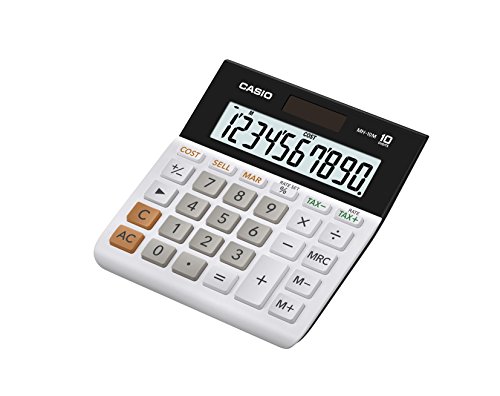
Casio MH-10M Desktop Calculator – Large 10-Digit Display | Cost/Sell/Margin & Tax Functions | Ideal for Home & Office Use
EXTRA-LARGE 10-DIGIT DISPLAY – Clear, oversized screen allows for easy viewing of multi-digit numbers, reducing input and reading…
As an affiliate, we earn on qualifying purchases.
As an affiliate, we earn on qualifying purchases.

Zeacool Fitness Tracker with 24/7 Heart Rate, Blood Oxygen Sleep Monitor, 123 Sports Modes Calories Smart Watch,IP68 Waterproof Step Counter Activity Trackers Health Pedometer for Women Men (Black)
24/7 Heart Rate Monitor :This blood pressure watch supports real-time dynamic heart rate, blood oxygen, Sleep Tracking,temperature monitoring…
As an affiliate, we earn on qualifying purchases.
As an affiliate, we earn on qualifying purchases.