To budget effectively with a variable income, track your monthly earnings and expenses to understand your cash flow. Prioritize fixed costs like rent and utilities, then allocate variable spending carefully, adjusting as needed during lean months. Use a zero-based approach, assigning every dollar, and build an emergency fund with surplus months. Regularly review your finances and stay flexible, so you can adapt to changing income levels. Discover more tips to keep your finances stable and secure.
Key Takeaways
- Track monthly income and expenses to identify patterns and set realistic budgets for fluctuating earnings.
- Use zero-based budgeting to allocate every dollar, prioritizing fixed expenses and adjusting for income variability.
- Save a portion of high-income months to build an emergency fund covering 3-6 months of expenses.
- Regularly review and adjust your budget based on actual income, estimating the lowest expected month.
- Differentiate between fixed and variable costs, cutting back on non-essentials during low-income periods to maintain financial stability.

Managing a variable income can feel challenging, but with the right budgeting strategies, it’s entirely manageable. As a freelancer, your earnings fluctuate month to month, making it essential to track your income and expenses carefully. Start by monitoring your income and expenses each month to understand your financial patterns. Calculating your average monthly income over six to twelve months helps you establish a realistic baseline for budgeting. This approach allows you to see the typical income you can expect, smoothing out the highs and lows.
Tracking income and expenses monthly helps stabilize budgeting with fluctuating earnings.
Next, distinguish between fixed and variable expenses. Fixed expenses like rent, utilities, and insurance are essential and should be prioritized. Variable expenses, such as dining out or entertainment, can be adjusted based on your income. Tracking these variable costs helps you identify areas where you can cut back during lean months. Regularly reviewing your spending patterns keeps you aware of where your money goes and helps you stay within your budget. Flexibility is key—don’t hesitate to make expense readjustments if your income dips unexpectedly.
A zero-based budgeting system can work well for freelancers. With this method, you allocate every dollar to specific purposes, such as bills, savings, or debt repayment, ensuring no money is left unassigned. Each month, adjust your budget based on your actual income, estimating the lowest possible income to prepare for tough months. Prioritize covering essential fixed expenses first, then allocate remaining funds to savings or debt repayment. If you have surpluses during high-income months, use those to bolster your emergency fund or pay down debt.
Applying budgeting rules like the 50/30/20 guideline can help you manage your finances effectively. Allocate about 50% of your income to needs, 30% to wants, and 20% to savings or debt. Since your income varies, adapt these percentages as needed, especially during months of lower earnings. Regular reviews of your budget allow you to make informed adjustments, ensuring your financial goals stay on track.
Building an emergency fund is crucial—aim for three to six months’ worth of living expenses. Use surpluses, windfalls, or high-income months to boost this reserve. Automate savings transfers to make consistent progress toward your goals, whether that’s a vacation, new equipment, or debt reduction. Keep separate accounts for income, regular expenses, and savings, which simplifies tracking and prevents overspending. Utilizing budgeting software or AI insights can further help you analyze your financial habits and suggest improvements. Additionally, understanding projector technology can help you make better purchasing decisions if you’re considering equipment upgrades.
Finally, embracing income volatility involves understanding that both earnings and expenses fluctuate. Use high-income months as a buffer—saving extra cash to cover low-income periods. Prioritize debt repayment and maintain a flexible approach, adjusting your spending and savings strategies as your income changes. With discipline and smart planning, managing a variable income becomes a manageable, even empowering, part of your financial journey.

Paycheck Budget Planner – Undated Financial Organizer for Weekly, Bi-Weekly, and Monthly Budgeting and Expense Tracking | A5 Rainbow
Flexible Budgeting Options: Suitable for weekly, bi-weekly, or monthly budgeting to match your pay schedule.
As an affiliate, we earn on qualifying purchases.
As an affiliate, we earn on qualifying purchases.
Frequently Asked Questions
How Should I Handle Unexpected Expenses With Fluctuating Income?
When unexpected expenses hit, you should dip into your emergency fund first, so your fluctuating income doesn’t derail your finances. Keep a separate savings account with three to six months’ worth of essential expenses. If you don’t have enough, cut back on non-essentials and prioritize covering the surprise costs. Planning ahead and building a safety net helps you stay resilient, no matter how unpredictable your income is.
What’s the Best Way to Save During High-Income Months?
During high-income months, you should prioritize saving at least 30% of your earnings. Allocate this portion into a dedicated savings account or emergency fund before covering other expenses. Automate transfers to make saving effortless, and avoid the temptation to increase spending when income rises. Consistently saving during peak months helps you build a financial cushion to cover leaner times, ensuring stability regardless of income fluctuations.
How Often Should I Review and Adjust My Budget?
Picture your budget as a living map, constantly shifting with your income flow. You should review and adjust it monthly, or whenever your income changes markedly. This keeps you anchored amidst fluctuating earnings, allowing you to spot overspending or savings opportunities. Regular check-ins ensure your financial journey stays on course, giving you peace of mind and control over your money, no matter how unpredictable your freelance income may be.
How Can I Build an Emergency Fund on Variable Earnings?
To build an emergency fund on variable earnings, you need to prioritize saving whenever you have extra income. Start small, aiming for at least one month’s worth of expenses, then gradually increase it. Track your income closely, set aside a percentage of your earnings regularly, and cut unnecessary expenses when income dips. Consistency is key, so keep the goal in mind and adjust your savings as your income fluctuates.
What Tools Are Best for Tracking Inconsistent Income?
You should try tools like QuickBooks Self-Employed or Wave, which are great for tracking inconsistent income. These apps automatically categorize your income and expenses, helping you see patterns and plan accordingly. Spreadsheets can also work if you prefer a DIY approach. Use these tools regularly to monitor fluctuations, set aside funds during busy months, and make certain you have a clear picture of your financial health.
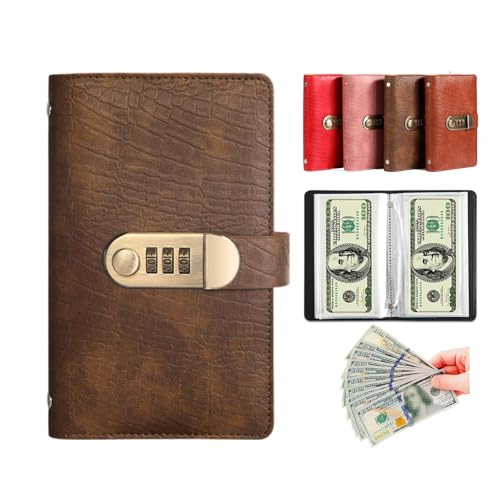
100 Envelope Savings Challenge Binder,with Password Lock,Money Saving Binder Book,Cash Envelopes for Budgeting,Budget Planner Binde r,from 30 Days to 52 Weeks,to Save $500,$5,050 and $10,000
【100 Envelope Savings System: Flexible Savings Goals】Includes 100 labeled cash envelopes and a durable binder, supporting 30-day to…
As an affiliate, we earn on qualifying purchases.
As an affiliate, we earn on qualifying purchases.
Conclusion
Remember, managing a variable income is all about staying flexible and prepared. As you track your expenses and plan ahead, you’ll find that your finances become more predictable—almost like clockwork. It’s funny how, just when you think you can’t, a little planning and discipline turn the unpredictable into something you can handle with confidence. So keep at it; your future self will thank you for the smart choices you make today.
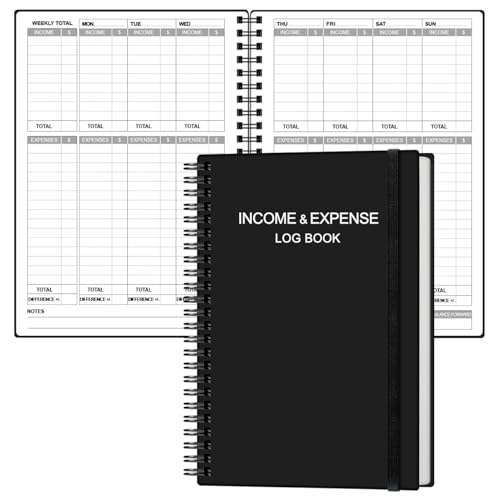
Heveboik Income & Expense Log Book – A5 Income and Expense Tracker for Small Business, Accounting Bookkeeping Tracking for Woman and Man, 5.8" x 8.3", Black
EASY TO MANAGE – Use this income & expense log book to record your income and expenses each…
As an affiliate, we earn on qualifying purchases.
As an affiliate, we earn on qualifying purchases.

Zero-based Budget Planner: Pay off debt, build savings, and achieve financial freedom – Green Color Edition
As an affiliate, we earn on qualifying purchases.
As an affiliate, we earn on qualifying purchases.