
TL;DR
This article highlights the best personal finance books for students, emphasizing accessibility, practical tips, and digital integration. These books empower young learners to handle money wisely from an early age.
Money management can feel overwhelming. You’re juggling classes, social life, and maybe a part-time job. But understanding your finances early can set you up for a lifetime of smarter decisions. The right books make it simple and relatable, turning confusing topics into clear action steps.
In this article, you’ll discover the best personal finance books designed for students. Whether you’re saving for college, paying off loans, or just trying to get a handle on your cash flow, these books give you real tools you can use today. Ready to turn money stress into money smarts? Let’s dive in.
Choose books that match your age, goals, and learning style for maximum impact.
Combine reading with digital tools like budgeting apps to turn theory into practice.
Focus on books that include practical exercises—applying what you learn cements the knowledge.
Stay updated with books that cover modern topics like digital banking and crypto to stay relevant.
Start with one straightforward book and build your financial literacy gradually.
Why Every Student Needs a Personal Finance Book
Imagine holding a map when you’re lost in a new city. That’s what a good finance book does for your money journey. It guides you through budgeting, saving, and avoiding debt traps. For example, the average college student graduates with over $30,000 in debt. A book tailored for students can help you dodge that.
These books are written in simple language, filled with relatable scenarios—like splitting rent with roommates or managing a part-time gig. They give you a clear sense of control over your money, so you don’t feel overwhelmed or left behind.
Deeply understanding these concepts matters because financial decisions made early can have long-lasting effects. For instance, mastering budgeting prevents debt accumulation, which can otherwise hinder future opportunities like buying a home or starting a business. Recognizing the implications of poor financial habits emphasizes why education on money matters — it’s about creating stability and freedom, not just avoiding mistakes.
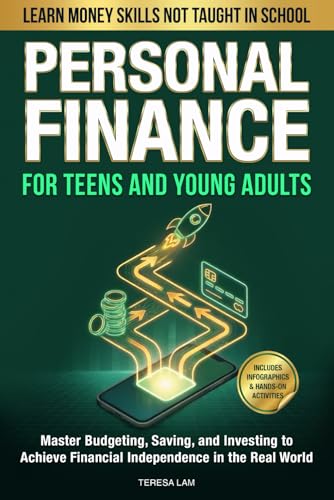
Personal Finance for Teens and Young Adults: Learn Money Skills Not Taught in School: Master Budgeting, Saving, and Investing to Achieve Financial Independence in the Real World
As an affiliate, we earn on qualifying purchases.
As an affiliate, we earn on qualifying purchases.
Top 5 Personal Finance Books That Speak Student Language
| Title | Author | What It Covers | Why It’s Great for Students |
|---|---|---|---|
| “The Teen Money Manual” | Kara McGuire | Budgeting, saving, understanding credit | Simple language, relatable examples, tailored for young learners |
| “I Will Teach You to Be Rich” | Ramit Sethi (adapted) | Money mindset, investing basics, financial habits | Actionable steps, inspiring stories, age-appropriate tips |
| “Money Matters for Teens” | Larry Burkett | Budgeting, debt, saving, goal setting | Clear language, practical exercises, easy to follow |
| “Smart Money Smart Kids” | Dave Ramsey & Rachel Cruze | Money values, responsible spending | Focus on values, simple advice for teens |
| “Young Money” | Jill Malcom | Starting investing, saving for college | Breaks down complex topics into digestible chunks |
Choosing the right book depends on your age, goals, and style—whether you want quick tips or deeper understanding.
financial literacy books for teens
As an affiliate, we earn on qualifying purchases.
As an affiliate, we earn on qualifying purchases.
How to Pick a Personal Finance Book That Actually Works for You
- Identify your goals: Are you saving for college, paying off debt, or just starting out?
- Check the language: Is it simple and relatable, or does it feel like a textbook?
- Look for exercises: Practical activities help you apply what you learn, like creating a budget or tracking expenses.
- Read reviews: See what other students say about how helpful the book was in real life.
- Consider digital tools: Some books include or recommend apps for budgeting or investing—great for tech-savvy students.
Matching your style with the right resource matters because it influences how effectively you learn. For example, visual learners benefit from books with charts and infographics, which help visualize complex ideas and make abstract concepts concrete. Conversely, hands-on learners might prefer books with exercises and quizzes that reinforce learning through practice. Ultimately, choosing a book that aligns with your preferred learning style increases engagement and retention, leading to more meaningful financial understanding and healthier habits.
budgeting books for college students
As an affiliate, we earn on qualifying purchases.
As an affiliate, we earn on qualifying purchases.
What Modern Personal Finance Books Cover Today’s Student Challenges
Today’s finance books go beyond just saving and spending. They tackle topics like how to handle student loans, use mobile banking safely, and even dip into crypto basics. For instance, some books now include a chapter on understanding digital wallets or avoiding scams online.
Understanding these modern challenges matters because the financial landscape has shifted dramatically with technology. Students need to be aware of the risks and opportunities digital finance presents. For example, knowing how to protect your online accounts prevents identity theft, while understanding how cryptocurrencies work can open new investment avenues. These topics are not just trendy—they are vital skills in today’s digital economy that can significantly impact your financial health if mastered early.
They also emphasize mental health—dealing with money anxiety or impulse spending—because managing stress is part of financial wellness. Recognizing the tradeoffs between spending now versus saving for future goals helps students develop a balanced approach to money, ensuring they enjoy their youth without sacrificing financial security.
For example, a recent bestseller discusses how to use budgeting apps to track your spending in real-time, helping you avoid overdrafts or late payments. These updates make personal finance relevant for today’s digital student, showing that financial literacy must evolve alongside technology and mental well-being considerations.
investing basics for young adults
As an affiliate, we earn on qualifying purchases.
As an affiliate, we earn on qualifying purchases.
How Digital Tools and Resources Make Learning Money Easier
Most personal finance books now pair with apps and online platforms. Think of budgeting apps like Mint or YNAB that sync with your bank accounts, giving instant updates on your spending. These tools turn abstract concepts into real-time visuals—like a colorful graph showing how much you’ve spent on coffee or shopping.
For example, using an app alongside a book like “Money Matters for Teens” can help you see your progress as you set savings targets or pay off debt. This combo makes learning active, engaging, and practical.
Plus, some books include QR codes linking to online quizzes or calculators, making it easy to practice budgeting or plan for future expenses. These digital resources boost your confidence and deepen your understanding, because they allow for immediate application and feedback, which are crucial for mastering financial skills. The integration of digital tools ensures that learning remains relevant and interactive, helping students develop habits that translate into real-world financial competence.
Your Quick-Start Action Plan for Choosing the Right Book
- Define your goal: Saving, debt, investing, or all of the above?
- Match your style: Do you prefer stories, exercises, or quick tips?
- Read reviews: Check what other students say about its usefulness and clarity.
- Pick a balance: Combine a beginner’s guide with an app or online resource for practice.
- Start small: Focus on one book, then expand your library as you learn more.
For example, if you’re just starting out, a book like “Money Matters for Teens” paired with a budgeting app can give you quick wins and build confidence fast. Recognizing that the right choices early on can set the stage for a lifetime of healthy financial habits is key — it’s about building a foundation that supports future growth and resilience.
Frequently Asked Questions
What’s the best personal finance book for high school students?
“The Teen Money Manual” by Kara McGuire is a great choice. It breaks down budgeting, saving, and credit into simple, relatable language perfect for high schoolers just starting to handle money.How do I start budgeting as a college student?
Begin by tracking your expenses for a month. Use a simple app like Mint or a notebook. Then, set a realistic monthly limit for essentials and entertainment. Adjust as you go, and focus on saving a small amount each week.Are there books that explain investing for beginners?
Yes, “I Will Teach You to Be Rich” (adapted for students) covers investing basics in a straightforward way. It explains stocks, bonds, and compound interest with stories and clear steps.What should I know about student loans before borrowing?
Understand the interest rates, repayment terms, and whether you need the loan. Always borrow only what’s necessary, and explore scholarships or work options first. A good book can help you plan how to pay it back wisely.Can personal finance books help with mental health around money?
Absolutely. Many books now include tips on managing financial stress, overcoming impulse spending, and building confidence. Managing your money well reduces anxiety and helps you feel in control.Conclusion
Getting a handle on your money early sets a foundation for a lifetime of smarter choices. The right personal finance book acts as your personal coach, guiding you through the maze of budgets, loans, and investments. Pick one that fits your style, use digital tools to practice, and watch your confidence grow.
Remember, every big financial journey begins with a single page. So, open that book, take control, and turn your financial future into a story you write yourself.