
Choosing experiences over things can make you happier, as studies show that memories from activities and shared moments bring lasting joy and strengthen your social bonds. Unlike material possessions, which offer only fleeting pleasure and quickly become routine, experiences boost your well-being before, during, and long after the event. They also help you grow personally and create meaningful connections. Want to discover more about how to enjoy richer, more satisfying life moments? Keep exploring to find out.
Key Takeaways
- Experiences create lasting memories and social bonds, leading to higher long-term happiness than material possessions.
- Anticipation, participation, and reflection on experiences enhance overall life satisfaction more than owning things.
- Shared experiences strengthen relationships and emotional well-being, whereas possessions have limited impact on social connection.
- Material goods offer fleeting pleasure and habituate quickly, while experiences provide ongoing joy and personal growth.
- Investing in experiences enriches life meaning and resilience, resulting in more sustained happiness than accumulating things.

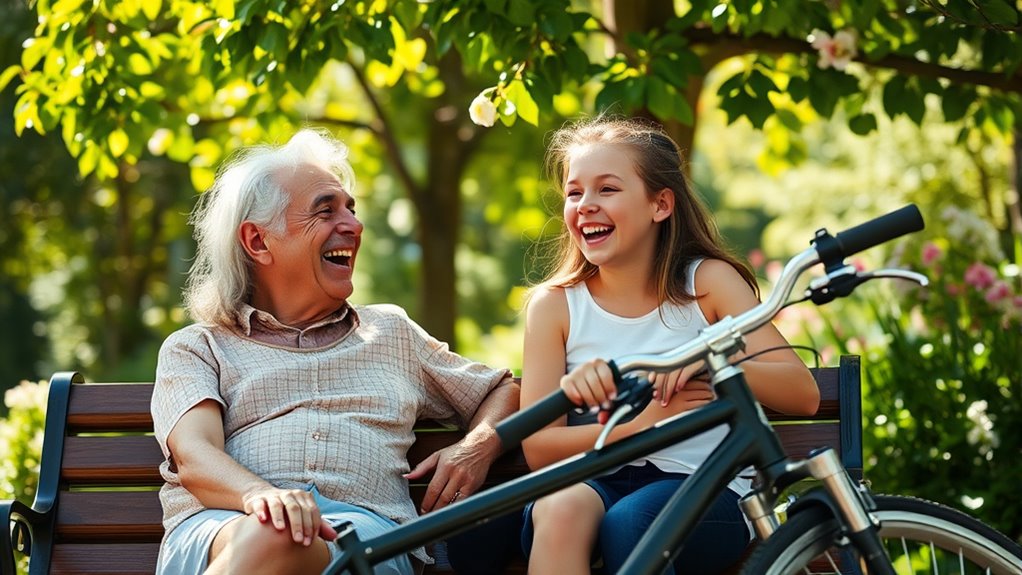
When it comes to happiness, experiences often outshine possessions because they create lasting memories and strengthen social bonds. You’ll find that spending money on experiences—like a trip, concert, or special outing—tends to boost your happiness not just before, but during and after the event. Unlike material goods, which may provide a fleeting sense of satisfaction, experiences offer a deeper, more enduring joy. The benefits are consistent across different types of expenditures and price ranges, meaning you don’t have to spend a fortune to enjoy their positive effects. Even after long periods of using possessions, their happiness payoff diminishes because their value fades or becomes routine. In contrast, the memories from experiences stay fresh and continue to bring you joy long after the event. Research shows that engaging in new and meaningful experiences can also improve mental health and resilience over time. Psychologically, experiences contribute more to your sense of identity and personal growth than possessions. When you reflect on past experiences, they often form a core part of your life story, helping you understand yourself better. Possessions, on the other hand, tend to lose their appeal quickly, as you adapt to them and become habituated, reducing their ability to make you happy over time. The anticipation of an upcoming experience, the moment of participation, and the reminiscing afterward all boost your overall satisfaction. These stages of experiencing are interconnected, creating a cycle that sustains happiness well beyond the actual event. Sharing experiences with others enhances your social bonds, making you feel more connected and satisfied. The social component is essential because it amplifies your emotional well-being, unlike possessions, which are less effective at fostering meaningful relationships.
Research backs this up—large-scale surveys and psychological studies show that people who prioritize experiences report higher happiness levels than those who focus on material possessions. A study involving thousands of participants confirmed that experiential spending is linked to a more consistent, long-lasting sense of happiness. Doing things, rather than having things, promotes more immediate and sustained happiness. Experiences also break the monotony of daily routines, introducing novelty that keeps life interesting. Meanwhile, material goods often bring only temporary excitement, which quickly wears off, leading to a desire for the next purchase. Although possessions may initially boost your social status, their capacity to satisfy diminishes with time and repeated exposure. Overall, investing in experiences tends to lead to a richer, more fulfilling life—one filled with meaningful memories, stronger social bonds, and lasting happiness, far surpassing what material possessions can offer.
Top picks for "experienc thing happier"
Open Amazon search results for this keyword.
As an affiliate, we earn on qualifying purchases.
Frequently Asked Questions
How Do Cultural Differences Influence Happiness From Experiences or Possessions?
Cultural differences shape how you value experiences or possessions for happiness. In some cultures, you might find joy in shared adventures and social connections, making experiences more meaningful. In others, possessions symbolize status and security, boosting your happiness through tangible symbols. Your cultural background influences whether you prioritize making memories or acquiring things, ultimately guiding what brings you more fulfillment and satisfaction in life.
Can Spending on Experiences Lead to Long-Term Happiness?
Yes, spending on experiences can lead to long-term happiness, and it might even make you feel like you’ve *discovered* the secret to eternal joy! When you invest in memories—like traveling, concerts, or shared adventures—you create stories that stick with you forever. These moments boost your mood, strengthen relationships, and give you a sense of fulfillment that lasts way longer than any material possession. So, go ahead, chase experiences—you’ll thank yourself later!
Do Personality Traits Affect Preference for Experiences Over Things?
Yes, your personality traits influence whether you prefer experiences or things. If you’re extroverted, you might enjoy social adventures more, while introverts often value quiet, personal experiences. Openness to new things can lead you to seek novel activities, whereas conscientious individuals may prefer practical possessions. Recognizing your traits helps you choose what truly boosts your happiness, so pay attention to what aligns with your personality to find lasting fulfillment.
How Does Age Impact the Value Placed on Experiences Versus Possessions?
As you age, you tend to value experiences more than possessions. You might find that memories and personal growth become more meaningful, while material things lose their appeal. With age, you often prioritize quality time, meaningful interactions, and adventures over accumulating stuff. This shift happens because you realize happiness comes from relationships and experiences, not just possessions, leading you to seek fulfillment in moments rather than material possessions.
What Role Does Social Connection Play in Happiness From Experiences?
Social connection greatly boosts your happiness from experiences. When you share moments with friends or family, those memories become more meaningful and fulfilling. Connecting with others enhances feelings of belonging and boosts your mood. You’re likely to enjoy activities more and create stronger bonds, making the experience more memorable. So, prioritize social interactions during experiences, as they substantially amplify your happiness and overall well-being.
Conclusion
Research shows that experiences tend to bring more lasting happiness than material possessions. In fact, a study found that 78% of people feel happier when they spend money on experiences rather than things. So next time you’re thinking about splurging, consider creating memories instead of buying stuff. You’ll likely enjoy those moments longer, and they can even strengthen your relationships. Ultimately, choosing experiences over things can lead to a more fulfilling, joyful life.