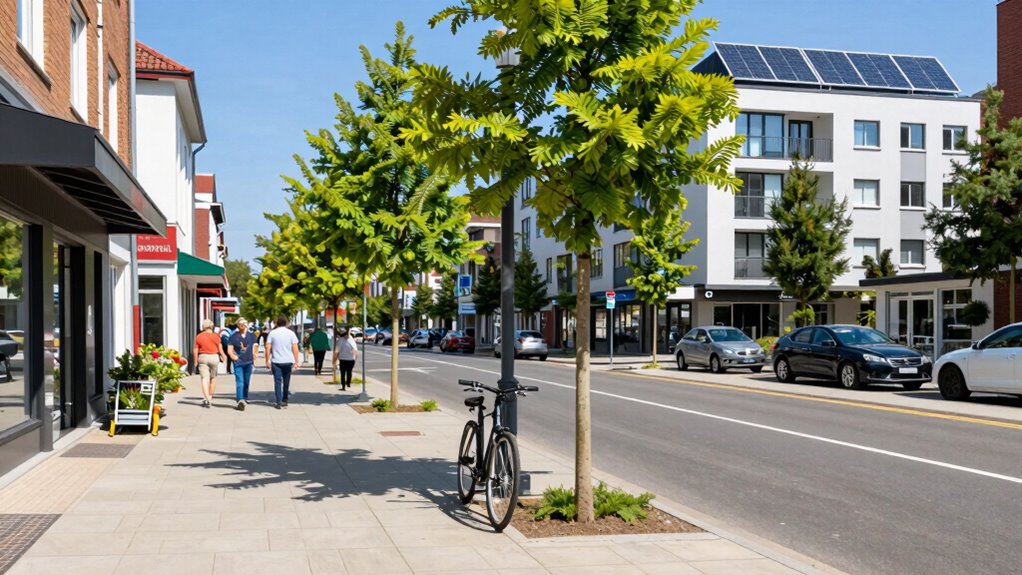

You can save money with a car-free lifestyle if your environment and transportation options support it. Reliable public transit, walkable neighborhoods, and accessible amenities make it easier and cheaper to get around. In places with long commutes or limited transit, saving might be harder unless you consider alternatives like biking or shared rides. To find out if going car-free works for your situation and how to maximize the benefits, keep exploring these key factors.

Get smart everyday buys delivered free with Prime
- Fast, free delivery on millions of items
- Prime Video, Amazon Music and more included
- Member-only deals all year
Key Takeaways
- Cost savings from car-free living depend on access to reliable public transportation or alternative mobility options.
- Walkable neighborhoods with nearby amenities make car-free lifestyles more affordable and practical.
- Electric vehicles reduce long-term costs but require accessible charging infrastructure to be cost-effective.
- Long commutes in sprawling areas can limit financial benefits of going car-free.
- Community resources and infrastructure significantly influence the feasibility and savings of a car-free lifestyle.
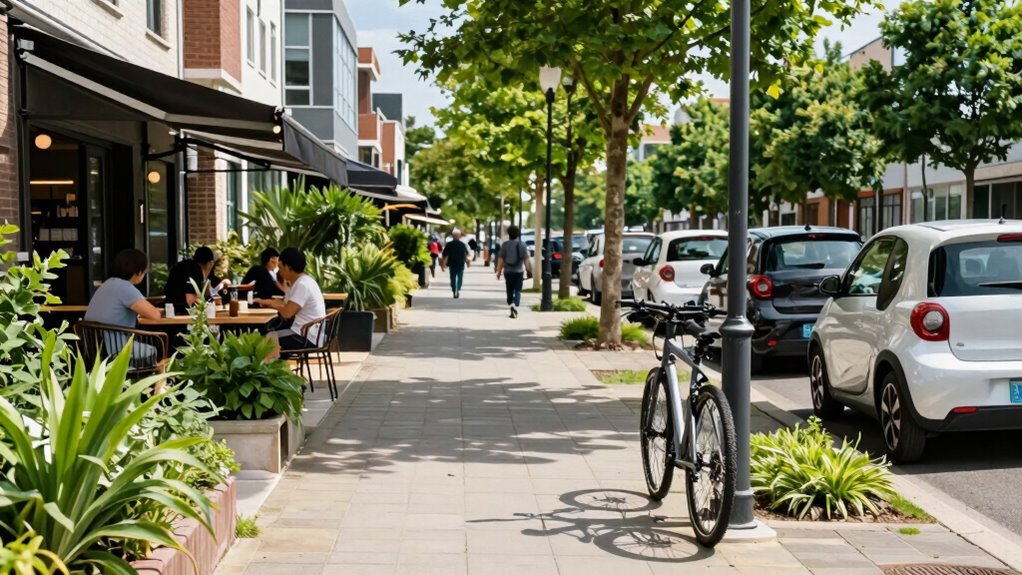
Choosing to live without a car can save you money, but only if your environment supports it. If you’re in a city or town with reliable public transportation, it can be a game-changer. Instead of pouring cash into fuel, maintenance, insurance, and parking, you might find that your transportation costs diminish considerably. Public transit options like buses, trains, and subways can get you almost anywhere you need to go without the hefty price tag of car ownership. When you rely on these services, you often pay a fixed fare or a monthly pass, which is usually far cheaper than owning a vehicle.
But if you’re considering going fully car-free, you might also think about electric vehicles (EVs). While EVs are a more sustainable choice, they still involve upfront costs, charging infrastructure, and maintenance. If your area has accessible EV charging stations, owning one can be a cost-effective alternative to traditional gasoline cars. However, the savings from EVs come mostly over the long term through lower fuel and maintenance costs. Still, they’re not an essential for a car-free lifestyle; many people successfully manage without any vehicle at all by leaning on public transportation or active commuting like biking or walking.
Your environment plays an indispensable role in whether a car-free life makes financial sense. If you live in a walkable neighborhood with amenities close by—like grocery stores, cafes, and workplaces—you’ll find it easier and cheaper to get around without a car. On the other hand, if your daily routine involves long commutes through sprawling suburbs or rural areas, relying solely on public transportation might be impractical or more expensive. In such cases, a shared ride service or a bike might be more feasible solutions. Additionally, understanding sound healing science and incorporating calming sounds or vibrations into your routine can help manage stress as you adjust to a new lifestyle.
Ultimately, a car-free lifestyle can be financially beneficial, but only if your environment supports it. You must have access to reliable public transportation or other alternatives that match your daily needs. When these conditions align, you’ll likely find that ditching the car not only saves you money but also reduces your environmental footprint. Recognizing the importance of transportation options in your community can help you make informed decisions about your mobility choices. Moreover, considering the role of public transit in reducing overall transportation costs can further support your decision to go car-free.
As an affiliate, we earn on qualifying purchases.
Frequently Asked Questions
How Do I Handle Emergencies Without a Car?
In emergencies without a car, you stay prepared by having an emergency kit ready, including essentials like water, first aid, and snacks. Use alternative communication methods such as cell phones, radios, or community alerts to stay informed and call for help. Planning ahead with routes on foot or bike, and knowing nearby public transit options, guarantees you’re ready to handle emergencies effectively without a car.
What About Long-Distance Travel Options?
For long-distance travel, you can rely on public transportation like buses and trains, which often offer affordable fares and flexible routes. Ride sharing services are also a great option for door-to-door convenience without the costs of car ownership. Combining these methods, you can plan cost-effective, eco-friendly trips while avoiding the expenses and responsibilities that come with owning a car.
How Does a Car-Free Lifestyle Affect Social Activities?
A car-free lifestyle can positively impact your social activities by making public transportation your go-to option. You’ll find it easier to attend social gatherings without worrying about parking or driving. Buses, trains, and subways often lead to spontaneous meetups, and you might even meet new people during your commutes. Overall, relying on public transit encourages you to stay connected, active, and engaged with your community.
Are There Safety Concerns in Urban Areas?
Urban areas can feel like a jungle, but pedestrian safety is your lifeline. While city infrastructure aims to protect you, hazards like busy crossings and poorly lit streets still pose risks. Stay alert and use designated crosswalks, and advocate for better urban infrastructure to improve safety. In a car-free lifestyle, your awareness becomes your strongest shield, helping you navigate the city’s wild urban landscape with confidence.
What Are the Environmental Impacts Beyond Cost Savings?
By choosing public transportation and urban cycling, you reduce your carbon footprint and lower pollution levels. These options decrease reliance on fossil fuels, helping fight climate change. Additionally, they lessen traffic congestion and noise pollution in cities. When you opt for these eco-friendly modes, you actively contribute to cleaner air and a healthier environment, making your lifestyle more sustainable and positively impacting the community around you.
As an affiliate, we earn on qualifying purchases.
Conclusion
Imagine stepping out your door into a vibrant neighborhood where everything you need is just a short walk or bike ride away. A car-free life can save you money, yes, but only if your surroundings support it. When the streets are alive with shops, parks, and friendly faces, you’ll find yourself effortlessly embracing a simpler, more sustainable lifestyle. It’s in these right setups that your savings—and your sense of community—truly flourish.
As an affiliate, we earn on qualifying purchases.
electric vehicle charging station
As an affiliate, we earn on qualifying purchases.
As an affiliate, we earn on qualifying purchases.
Evergreen bestsellers Picks
bestsellers
As an affiliate, we earn on qualifying purchases.