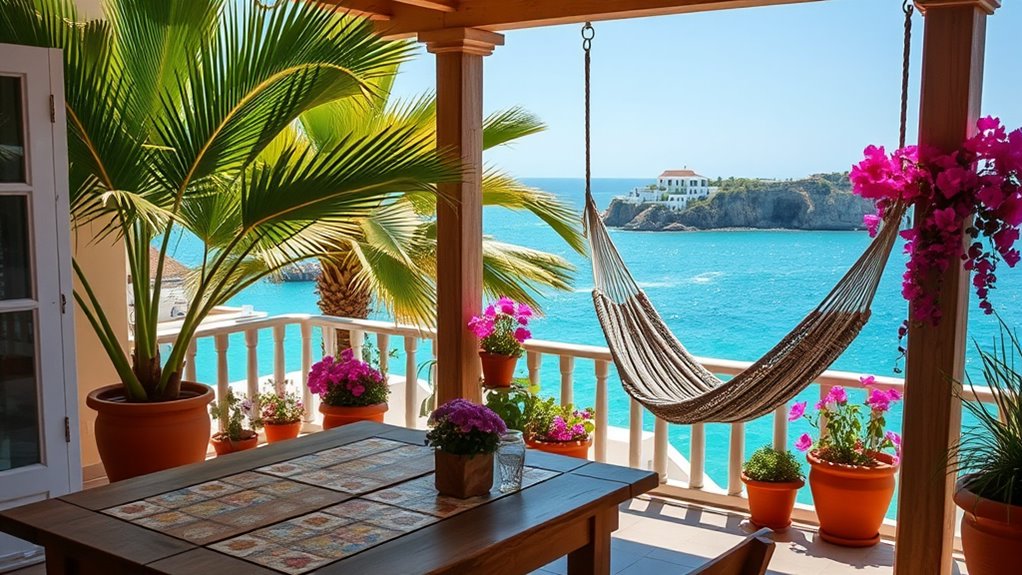

When choosing between a vacation home and an investment property abroad, consider your primary goal: personal enjoyment or income generation. Vacation homes offer comfort and leisure but may have limited rental income, while investment properties focus on boosting wealth through rentals or appreciation. Financing, tax rules, and market risks vary for each option, especially overseas. If you want to make an informed decision aligned with your goals, exploring key differences can help you find the right fit.
Open a free Amazon Business account
Business pricing, bulk buying and tax-exempt orders.
As an affiliate, we earn on qualifying purchases.
Key Takeaways
- Determine if the primary goal is personal relaxation (vacation home) or income appreciation (investment property).
- Consider local rental regulations and tax implications affecting profitability and usage flexibility abroad.
- Evaluate financing options, interest rates, and down payment requirements for each property type in the target country.
- Analyze market trends, economic stability, and potential for appreciation or rental demand in the foreign location.
- Assess ongoing costs, management challenges, and risks associated with owning and renting out property abroad.

When deciding between a vacation home and an investment property, understanding their fundamental differences is essential. A vacation home is primarily for your personal enjoyment, offering a retreat where you can relax and unwind. It’s a place you use for leisure, and while you might rent it out occasionally, the main focus is your own comfort. In contrast, an investment property is bought with the goal of generating income or appreciating in value over time. You see it as a way to build wealth, often renting it out more frequently to maximize returns.
Rental frequency highlights another key difference. Vacation homes can be rented out up to 14 days a year without affecting their tax status, making them suitable for limited short-term rentals. Investment properties, however, typically see more frequent rentals, sometimes year-round, to optimize income. This pattern influences how you manage each property and the associated tax implications. With investment properties, you often benefit from more deductions, but they also carry more liabilities, especially when rental income depends on consistent occupancy.
Mortgage rates tend to be lower for second homes compared to investment properties. If you’re considering financing, keep in mind that investment loans usually demand higher down payments and are affected more by your credit score. Rising interest rates in 2025 are making financing more expensive overall, which can impact your purchasing power and potential returns. Additionally, the risk profile differs significantly. Investment properties are riskier because your income depends on rental demand, which can fluctuate due to market changes and economic conditions.
Speaking of trends, 2025 has seen a decline in vacation home purchases, driven by higher interest rates and economic uncertainty. This slowdown has led to increased inventory in popular tourist areas, which may push prices downward. Conversely, there’s a growing demand for more affordable vacation and investment units, especially in markets with rising short-term rental activity. The short-term rental landscape is becoming more competitive, requiring strategic management to stay profitable. Regulatory changes can also heavily influence the profitability of investment properties in certain locations.
Financial considerations are critical. Higher interest rates mean higher financing costs, and larger down payments are often required for investment properties. Your credit score will influence the mortgage rates available for either property type. While investment properties can offer more tax benefits, they also carry liabilities that need careful management. The potential for high returns exists, especially in emerging markets, but success depends on effective property management and navigating regulatory environments. Additionally, the decline in vacation home sales in 2025 has created more opportunities for investors to acquire properties at lower prices. Understanding market dynamics can help you identify the best opportunities and avoid pitfalls in this competitive environment.
As an affiliate, we earn on qualifying purchases.
Frequently Asked Questions
What Are the Tax Implications of Owning a Foreign Property?
Owning a foreign property means you’ll face local property taxes, which vary by country. You might also be liable for income tax if you rent it out, and capital gains tax when you sell. Additionally, your home country could tax your foreign income or gains. To avoid surprises, consult a tax professional familiar with both your home country and the property’s location before you buy.
How Do Currency Fluctuations Impact Property Investments Abroad?
Imagine booking a trip and suddenly currency fluctuations change your budget—that’s how they impact your property investments abroad. When the local currency weakens against your home currency, your investment’s value drops, making it costlier to buy or sell. Conversely, if it strengthens, you benefit from higher returns. Staying aware of exchange rates and timing transactions wisely helps you protect your investment and maximize potential profits in foreign markets.
What Legal Considerations Should I Be Aware of When Buying Overseas?
When buying overseas, you should be aware of local property laws, ownership rights, and restrictions on foreign buyers. Always research visa requirements, tax implications, and inheritance laws to avoid surprises. It’s wise to hire a local solicitor or legal expert who understands the area’s regulations. Additionally, review any leasehold or freehold agreements carefully and make certain you adhere to all legal procedures before completing your purchase.
How Can I Effectively Manage a Property Remotely?
Did you know that 70% of remote property owners manage their homes with professional services? To manage your property effectively, hire a trusted local property manager who can handle maintenance, security, and tenant issues. Use technology like security cameras and remote access systems to stay connected. Regularly visit or check in via video calls, and establish clear communication channels to guarantee everything runs smoothly, even from afar.
What Are the Best Countries for Affordable Vacation or Investment Properties?
You should consider countries like Portugal, Hungary, and Bulgaria for affordable vacation or investment properties. These nations offer lower purchase prices, favorable property laws, and strong rental markets, making them attractive options. You’ll find diverse options from coastal regions to vibrant cities. Do thorough research on local regulations, market trends, and costs, so you can make an informed decision and maximize your investment or vacation experience abroad.
investment property rental management tools
As an affiliate, we earn on qualifying purchases.
As an affiliate, we earn on qualifying purchases.
Conclusion
So, whether you picture your dream vacation home as your personal Shangri-La or see it as a savvy investment, remember it’s about your dreams, not just a ledger. Think of it as planting a seed in your own Garden of Eden, knowing that with patience, it’ll flourish — just like those timeless tales of discovery. Whatever path you choose, make sure it’s one that fills your heart with joy — and maybe a little bit of that old-world magic.
foreign property mortgage calculator
As an affiliate, we earn on qualifying purchases.
As an affiliate, we earn on qualifying purchases.
short-term rental property accessories
As an affiliate, we earn on qualifying purchases.
As an affiliate, we earn on qualifying purchases.
NFL season / tailgating Picks
team gear
As an affiliate, we earn on qualifying purchases.