

Deciding whether to rent or buy abroad depends on your financial situation, lifestyle, and the local legal environment. Renting offers flexibility, lower upfront costs, and less exposure to market risks, making it ideal if you value mobility or plan to stay temporarily. Buying can build equity, provide stability, and potentially yield long-term gains if the market is stable. To make the right choice, consider how these factors align with your goals as an expat, and learn more about each option’s nuances.

Get smart everyday buys delivered free — and shop member deals
- Fast, free delivery on millions of items
- Access to Prime Big Deal Days deals on October 6–7
- Prime Video, Amazon Music and more included
Key Takeaways
- Renting offers lower upfront costs, flexibility, and easier relocation, ideal for uncertain or short-term stays abroad.
- Buying can build equity and potential appreciation, but involves significant initial investment and market risks.
- Rental agreements are generally more protected and adaptable, whereas ownership requires navigating local legal and tax obligations.
- Expat lifestyle and mobility needs influence whether flexibility (renting) or stability (buying) aligns better with your goals.
- Market volatility and legal restrictions abroad make renting a safer option for risk-averse individuals seeking liquidity.
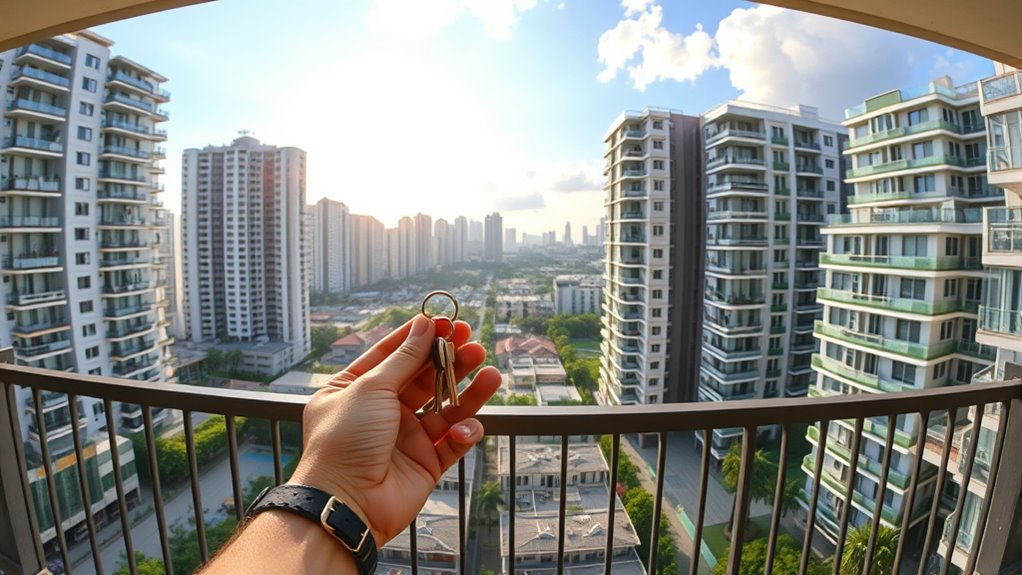
Deciding whether to rent or buy abroad is a crucial choice for expats, as each option offers distinct financial and lifestyle benefits. In many global locations, particularly in large metro areas, renting tends to be more affordable than buying because it involves lower upfront costs and monthly expenses. Mortgage payments often surpass rent prices when you include principal, interest, insurance, and taxes. High property prices, coupled with rising interest rates, increase the financial barrier to buying, making renting a more attractive short-term option. However, some cities show exceptions where buying is cheaper than renting, especially in markets with lower home prices or slower rental growth. Additionally, rental prices tend to stabilize or decline in many markets, while homeownership costs continue to rise due to taxes and insurance, favoring renters who seek predictable expenses.
Renting often costs less than buying abroad, especially in major cities with high property prices and rising interest rates.
Financial flexibility is another critical factor. Renting requires a security deposit but avoids the large down payment typical of buying a property abroad. It allows you to maintain liquidity and adapt quickly to changing circumstances. Buying, on the other hand, involves significant upfront costs, including down payments, closing fees, taxes, insurance, and reserves for maintenance. While ownership provides the opportunity to build equity and benefit from property appreciation over time, it also exposes you to market fluctuations and potential depreciation, especially in volatile or emerging markets. Additionally, long-term affordability must be considered, as mortgage interest rates and property taxes can vary, impacting your financial stability. For expats, extra financial considerations such as transfer fees, currency exchange risks, and restrictions on foreign buyers can complicate the decision further. Furthermore, market conditions can change rapidly, affecting the profitability and security of property investments abroad. Moreover, understanding the legal and regulatory landscape is essential, as different countries have varying rules on foreign ownership, with some imposing restrictions or higher taxes on non-residents.
Market volatility plays a role as well. Property markets abroad can be unpredictable, with risks of value depreciation, especially in unstable regions. Renting offers more liquidity, making it easier to relocate without the risk of losing money on a property sale. Conversely, owning property can be a strategic investment if you target markets with steady demand and stable governance, providing potential capital gains and equity growth. However, it’s important to weigh these benefits against the risks of market downturns, unexpected maintenance costs, and property illiquidity.
Legal and regulatory factors also influence the decision. Different countries have varying rules on foreign ownership, with some imposing restrictions or higher taxes on non-residents. Rental agreements may differ in terms of duration, tenant protections, and renewal conditions, requiring careful review. Ownership involves legal obligations such as property registration, tax declarations, and compliance with local laws, which can be complex for foreigners. Expats should consider residency requirements, visa conditions tied to property ownership, and inheritance implications.
Lifestyle and mobility needs further shape the choice. Renting suits those requiring short to medium-term stays or uncertain plans, offering flexibility without long-term commitments. Owning provides stability, customization, and a sense of community, but it also entails managing the property remotely if you travel frequently. For digital nomads or frequent travelers, renting often proves more practical, avoiding maintenance issues and vacancies. Ultimately, weighing these financial, legal, and lifestyle factors will help you determine whether renting or buying abroad aligns best with your long-term goals and circumstances.
As an affiliate, we earn on qualifying purchases.
Frequently Asked Questions
How Do Currency Fluctuations Impact Property Costs Abroad?
Currency fluctuations can markedly impact your property costs abroad. When your home currency weakens against the local currency, the property becomes more expensive in your currency, increasing your expenses. Conversely, if your currency strengthens, the property may become cheaper. You should monitor exchange rates regularly and consider locking in rates with forward contracts or hedging options to minimize risks and better plan your budget for property investments abroad.
What Legal Restrictions Exist for Foreigners Buying Property?
You need to be aware that many countries impose legal restrictions on foreigners buying property. These restrictions can include limits on land ownership, requiring special permits, or restrictions on certain regions. You might also face additional taxes or bureaucracy. To avoid issues, you should consult local property laws and work with a qualified legal expert who can guide you through the process and guarantee you meet all legal requirements.
How Does Local Property Market Stability Affect Investment Decisions?
You should carefully consider local market stability, as it profoundly impacts your investment’s safety. A stable market suggests consistent property values and lower risks, making buying more attractive. Even if short-term fluctuations occur, stability indicates long-term growth potential. You’re better off investing where prices are steady, ensuring your investment remains resilient through economic changes. This approach helps you avoid potential losses and maximizes your property’s future value.
What Are the Tax Implications of Renting Versus Buying?
When you rent abroad, you typically face fewer taxes and don’t pay property taxes or capital gains. Buying, however, often involves property taxes, stamp duties, and potential capital gains tax when selling. You should also consider income tax on rental income if you lease out the property. To avoid surprises, consult a local tax advisor to understand your specific obligations and benefits before making your decision.
How Can Expats Access Mortgage Options in Foreign Countries?
Think of foreign mortgage options as a treasure map, guiding you through unfamiliar financial terrain. To access these, you’ll need strong credit, proof of income, and sometimes a local guarantor. You’ll also want to build relationships with local lenders, possibly working with a mortgage broker experienced in expat finances. Be prepared for higher interest rates and larger down payments, but with persistence, you’ll find pathways to unseal your dream home abroad.
foreign property investment guide
As an affiliate, we earn on qualifying purchases.
As an affiliate, we earn on qualifying purchases.
Conclusion
Imagine standing at a crossroads, each path promising adventure but with different risks. Renting abroad feels like sailing on steady waters—flexible and low risk. Buying is diving into uncharted depths—exciting but uncertain. According to recent surveys, 60% of expats find renting more manageable during initial relocations. Whatever you choose, remember it’s your journey. Like a ship steering through changing tides, trust your instincts to find the route that feels safest and most rewarding for you.
As an affiliate, we earn on qualifying purchases.
expat legal assistance for property
As an affiliate, we earn on qualifying purchases.
As an affiliate, we earn on qualifying purchases.
Fall Picks
fall essentials
As an affiliate, we earn on qualifying purchases.