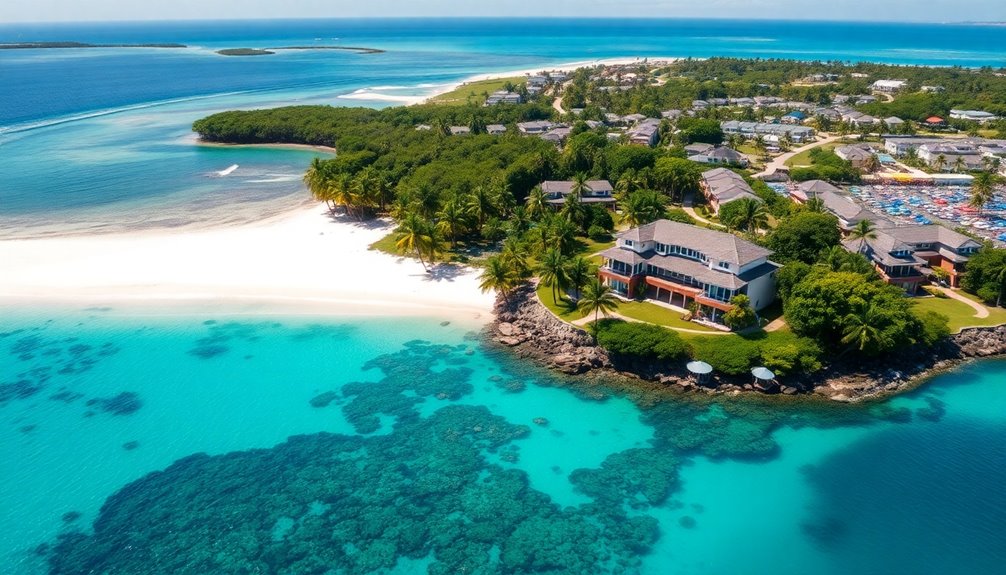
As an American, you can buy property in Spain without residency or visas, thanks to an open and transparent process. You’ll need to obtain an NIE and consider hiring a local lawyer for legal diligence. The process involves signing agreements, paying transfer taxes, and registering your property, with prices generally lower than in the US. Staying informed about potential regulation changes can guarantee a smooth purchase—exploring further will reveal important details to help you navigate the market confidently.
Key Takeaways
- No residency or citizenship needed; non-residents can purchase property freely in Spain.
- Obtain an NIE and hire a local lawyer for legal due diligence and contract review.
- Expect additional costs like transfer taxes (6–11%), notary, registration fees, and annual property taxes.
- Property prices vary regionally, averaging around €3,350/m², with popular areas like Costa del Sol and Valencia.
- Financing typically covers 60–70%, with interest rates around 3.5–4%, and existing Golden Visa applications are still processed.
Buying property in Spain offers a straightforward process for Americans, who enjoy the same rights as local buyers without needing citizenship or residency. You don’t require special authorization or visas to purchase property, making Spain an accessible destination for international real estate investors. The process is open and transparent, with no restrictions on non-resident buyers, allowing you to proceed confidently. While proposed regulations may impose a 100% tax on property purchases by non-EU buyers, this law is still under consideration and hasn’t been enacted yet. It’s worth staying informed about any changes, but currently, you can buy without concern about this potential tax. Although the Spanish Golden Visa program, which granted residency for investments over €500,000, was abolished in April 2025, existing applications continue to be processed, and new purchases aren’t affected. You don’t even need to be physically present for the transaction; a power of attorney can handle the legalities, and you can obtain your NIE (Número de Identidad de Extranjero), the Spanish tax identification number, at a local consulate. This simplifies the process, especially if you plan to buy remotely. Many Americans also choose to hire tax professionals to manage reporting requirements and optimize tax obligations in both countries. In terms of prices, Spain offers attractive values compared to the US, with property prices rising over 11% in the first quarter of 2025. On average, you’ll pay about €3,350 per square meter (around $3,570), with regional variations—Valencia averages €2,070 per square meter, while Barcelona hits €5,810. Despite the increase, prices remain lower than in the US, where the average is roughly €7,400 per square meter. Top destinations for American buyers include Costa del Sol, Valencia, and Madrid, thanks to their appealing lifestyles, vibrant expat communities, and clear legal frameworks. Spain’s market provides a good quality-price ratio, making it an attractive option even amid global economic shifts. Understanding the legal framework and the property market dynamics can help buyers make informed decisions. The purchasing process begins with obtaining your NIE, which is essential for all transactions. Next, you’ll want to hire a local lawyer to review contracts, conduct due diligence, and ensure compliance with Spanish law. You’ll sign a private purchase agreement, usually paying a deposit of about 10%, then finalize the sale at a notary’s office by signing the escritura, the official deed. Once completed, you register the property at the Land Registry, securing your legal ownership. Financing options are available, though stricter for non-residents—typically covering 60–70% of the property value, with interest rates around 3.5% to 4%. A deposit of 20–40% is common, and mortgage applications require proof of income, bank statements, and property valuation. Additional costs include transfer taxes—6–11% for existing properties or 10% VAT for new builds—and notary and registration fees, which add roughly 2–3%. Annual property taxes (IBI) are modest, ranging from 0.4% to 1.1% of the cadastral value. If you rent out the property, you’ll face a 24% income tax on deemed rental income, even if not rented. Capital gains taxes may also apply when selling. With these considerations, buying property in Spain becomes a manageable and promising venture for Americans seeking a Mediterranean home or investment.

Intellectual Property USA Legal Quick Reference Guide by Permacharts
4-page 8.5" x 11" laminated Intellectual Property Law Quick Reference Guide
As an affiliate, we earn on qualifying purchases.
As an affiliate, we earn on qualifying purchases.
Frequently Asked Questions
What Are the Residency Requirements for American Buyers in Spain?
As an American, you don’t need to meet specific residency requirements to buy property in Spain. You can purchase property without residing there, and there’s no visa needed solely for property ownership. However, if you plan to stay longer than 90 days, you’ll need to apply for a residence visa. Buying property doesn’t automatically grant residency, but it can be a step toward establishing long-term residence if you choose.
How Are Property Taxes Calculated for Foreign Buyers in Spain?
Imagine yourself strolling through a sunny Spanish town, feeling confident about your purchase. Property taxes for foreigners are calculated based on the property’s cadastral value, which is assessed by local authorities. You’ll pay annual property tax (IBI) at a rate typically between 0.4% and 1.1%. Plus, there’s stamp duty and notary fees. Knowing these calculations helps you plan your budget and enjoy your new Spanish home with peace of mind.
Can Americans Purchase Property in Spain Without Residency?
Yes, Americans can buy property in Spain without residency. You just need to follow the standard purchasing process, which includes obtaining a foreigner’s identification number (NIE), opening a bank account, and working with a notary and lawyer. Keep in mind, you won’t be eligible for certain residency benefits, but owning property is straightforward. Be prepared for taxes and legal procedures, and consider consulting local experts to guide you smoothly through the process.
What Financing Options Are Available for Americans in Spain?
You can secure financing in Spain as an American, but options are limited. Many banks offer mortgages to foreigners, typically covering up to 70-80% of the property’s value, with interest rates around 3-4%. You’ll need a good credit score, proof of income, and a sizable down payment. Alternatively, some buyers explore private lenders or international mortgage brokers to find more flexible financing solutions tailored to their needs.
Are There Any Restrictions on Foreign Property Ownership in Spain?
You can generally buy property in Spain without restrictions, but there are some exceptions. Citizens from certain countries may face additional scrutiny or restrictions, especially if involved in sensitive areas like border zones or military sites. You’ll need to obtain a NIE number for legal transactions, and guarantee compliance with local regulations. Consulting a local attorney helps you navigate any specific restrictions and ensures a smooth purchase process.
NIE application kit Spain
As an affiliate, we earn on qualifying purchases.
As an affiliate, we earn on qualifying purchases.
Conclusion
Now that you know the essentials of buying property in Spain, the next step could change everything. Will you find that perfect villa overlooking the coast or stumble upon unexpected hurdles? The journey is full of opportunities and surprises, and your decision could lead to a life-changing adventure. Are you ready to take the leap? The keys to your dream property are closer than you think—waiting for you to turn the page and open your future in Spain.

Reizen Talking Calculator with Repeat Key- Spanish
Speaks keys pressed and calculations in Spanish
As an affiliate, we earn on qualifying purchases.
As an affiliate, we earn on qualifying purchases.

Eletina Bilingual Private Property No Trespassing Sign. English & Spanish Security Signs. Privada. 8"" X 12"" inch Metal.
🔥➀【MATERIAL】Tin and metal. Color: as shown.
As an affiliate, we earn on qualifying purchases.
As an affiliate, we earn on qualifying purchases.