

Paying estimated taxes abroad feels confusing because you need to track foreign income, understand complex tax laws, and navigate treaties that can reduce or eliminate taxes but add extra rules. It’s easy to make mistakes or miss credits without careful documentation. Staying on top of quarterly payments and understanding foreign tax credits can be overwhelming. If you keep these tips in mind, you’ll find ways to simplify the process and avoid common pitfalls.

Get smart everyday buys delivered free with Prime
- Fast, free delivery on millions of items
- Prime Video, Amazon Music and more included
- Member-only deals all year
Key Takeaways
- Foreign income and tax laws create complex reporting requirements that can be difficult to understand.
- Tax treaties and foreign tax credits vary by country, adding complexity to tax calculations.
- Keeping track of foreign taxes paid and correctly claiming credits requires meticulous record-keeping.
- Estimated tax deadlines and payments abroad may differ from domestic schedules, causing confusion.
- Consulting international tax experts and utilizing detailed documentation simplifies compliance and reduces errors.
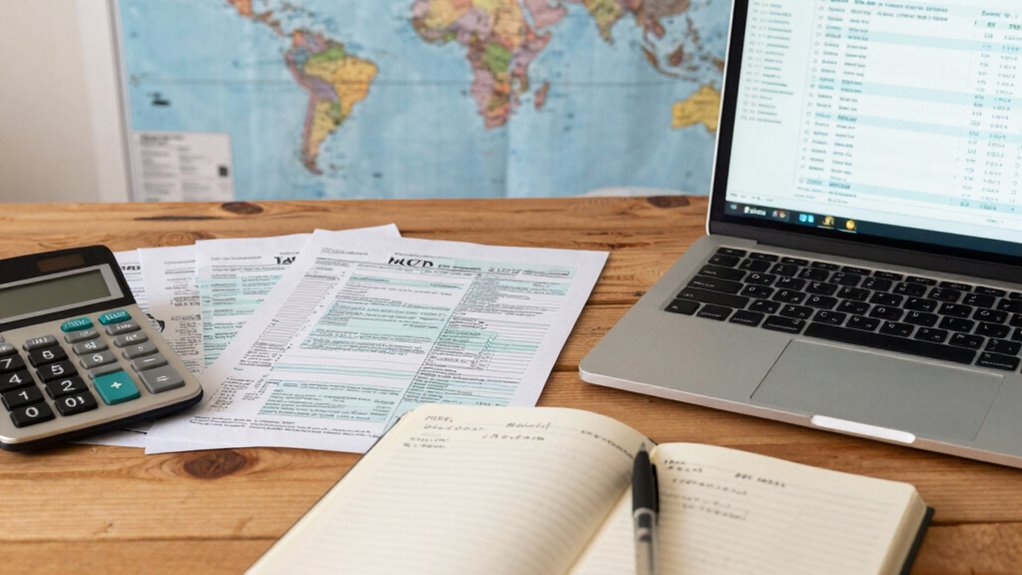
Living and working abroad doesn’t exempt you from paying taxes, especially when it comes to estimated tax payments. It’s a common misconception that earning income outside your home country means you can skip or delay these payments. In reality, the IRS still expects you to report and pay taxes on your worldwide income, which can become confusing when dealing with foreign income, foreign tax laws, and different filing requirements. The complexity often increases because of tax treaties and foreign tax credits that aim to prevent double taxation but can also add layers of complication to your filing process.
Tax treaties are agreements between your home country and the country where you work. They are designed to clarify how income is taxed and to avoid double taxation. These treaties may reduce or eliminate certain taxes or provide specific rules on how to report income. Understanding how these treaties work is essential because they can substantially impact your estimated tax obligations. For example, if a treaty reduces the tax rate on certain income, you might pay less in foreign taxes, but you still need to report your income correctly and pay the difference, if any, to the IRS. Without proper knowledge of these treaties, you could inadvertently overpay or underpay your taxes.
Foreign tax credits are an important tool to simplify your tax situation. They allow you to offset taxes paid abroad against your U.S. tax bill, preventing double taxation. However, claiming these credits requires careful documentation and understanding of the rules. You need to file Form 1116 to claim the credit, and the calculation can become complicated if you have multiple sources of foreign income or if the foreign taxes paid are not straightforward. The process can feel overwhelming, especially when you’re trying to navigate estimated payments, which are due quarterly. If you don’t keep track of foreign taxes paid or don’t understand how to claim credits properly, you might either end up paying too much upfront or face penalties for underpayment. Additionally, understanding the role of natural pools or landscaping in your financial planning can help you visualize how to better organize your tax obligations. Gaining a clear understanding of tax treaty provisions and how they apply can also significantly reduce confusion and potential errors. Being aware of the foreign tax credit rules ensures you maximize your credits without risking non-compliance.
A proactive approach, such as utilizing international tax law resources or consulting with a knowledgeable professional, can greatly ease the process. To simplify this process, start by researching the tax treaty provisions applicable to your country and income type. Keep detailed records of all foreign income and taxes paid throughout the year. Consulting a tax professional familiar with international tax law can save you time and money, ensuring you’re taking full advantage of tax treaties and foreign tax credits. Knowing how these tools work helps you avoid unnecessary payments and penalties and makes estimated taxes abroad feel less confusing. The key is proactive planning, diligent record-keeping, and understanding the rules that apply to your unique situation.
Products Worth Considering

Canon SELPHY CP1500 Wireless Compact Photo Printer with RP-108 Ink and Paper Set

Apple iPad Air 13-inch (M4), 128GB, Wi-Fi 7, Space Gray

FLEXISPOT 35-Inch Electric Standing Desk Converter with Keyboard Tray
As an affiliate, we earn on qualifying purchases.
Frequently Asked Questions
Do I Need to Pay Estimated Taxes if I Don’T Have a U.S. Income?
If you don’t have U.S. income, you generally don’t need to pay estimated taxes. However, if you benefit from tax treaty benefits or have foreign income that’s subject to U.S. taxation, you might need to take into account estimated payments. Currency exchange rates can also impact your calculations. To avoid confusion, review your income sources carefully, and consult a tax professional to clarify your obligations and how treaties might reduce your tax burden.
How Does Foreign Tax Law Affect My U.S. Estimated Tax Payments?
Ever wondered how foreign tax laws influence your U.S. estimated tax payments? They can complicate things, but understanding foreign tax treaties helps you avoid double taxation. You’ll also need to take into account currency conversions, adjusting your payments based on exchange rates. By staying informed about these treaties and conversions, you can better determine your U.S. tax obligations, ensuring you pay accurately without unnecessary confusion or penalties.
Can I Get Any Credits for Taxes Paid Abroad?
Yes, you can get credits for taxes paid abroad through foreign tax credits. These credits help you reduce your U.S. tax liability and prevent double taxation. You might also qualify for double taxation relief, which further alleviates the burden of paying taxes in both countries. To claim these benefits, file IRS Form 1116 and keep detailed records of your foreign taxes paid.
What Penalties Exist for Missing Estimated Tax Payments Internationally?
If you miss estimated tax payments internationally, penalties can apply, often based on interest charges and late-filing fees. Tax treaties might offer relief or reduce penalties, depending on your country. Keep in mind that currency exchange rates can affect your calculations, making it essential to accurately convert income and payments. Staying proactive and consulting tax treaties helps you avoid penalties and manage your international tax obligations efficiently.
How Do I Track My Payments Across Different Countries?
Imagine your payments as a trail of footprints across different countries, each with unique currency conversions and payment deadlines. To track them, keep a detailed spreadsheet noting each date, amount, and currency used. Use reliable currency conversion tools to guarantee accuracy. Regularly review your records, and set reminders for upcoming deadlines. This way, you’ll maintain clarity and avoid surprises, effortlessly managing your international estimated tax payments.
Conclusion
Managing estimated taxes abroad can feel overwhelming, but understanding the process makes it manageable. Did you know that nearly 60% of expatriates say tax compliance is their biggest financial concern? By staying organized, using reliable tools, and seeking expert advice when needed, you can simplify the process and avoid penalties. Remember, proactive planning not only eases stress but also guarantees you stay on top of your obligations, making your international experience smoother and more enjoyable.