

You might think umbrella insurance sounds fancy, but it’s actually a smart way to protect your assets if your primary policies fall short. If you own a home, have substantial savings, or take part in activities with higher liability risks, it’s worth considering. It covers the gaps your homeowners or auto policies don’t, especially in costly lawsuits. To see if it’s right for you and how to stay protected, discover more about how it can fit into your financial plan.

Get smart everyday buys delivered free — and shop member deals
- Fast, free delivery on millions of items
- Access to Prime Big Deal Days deals on October 6–7
- Prime Video, Amazon Music and more included
Key Takeaways
- Umbrella insurance provides extra liability coverage beyond standard policies, protecting assets from large or unexpected claims.
- If you own significant assets or have higher risks, an umbrella policy offers essential financial protection.
- Primary policies have coverage limits and exclusions; umbrella insurance fills these gaps effectively.
- Activities like owning a pool or hosting events increase liability need, making umbrella coverage advisable.
- The cost is relatively low compared to potential out-of-pocket expenses from major lawsuits.
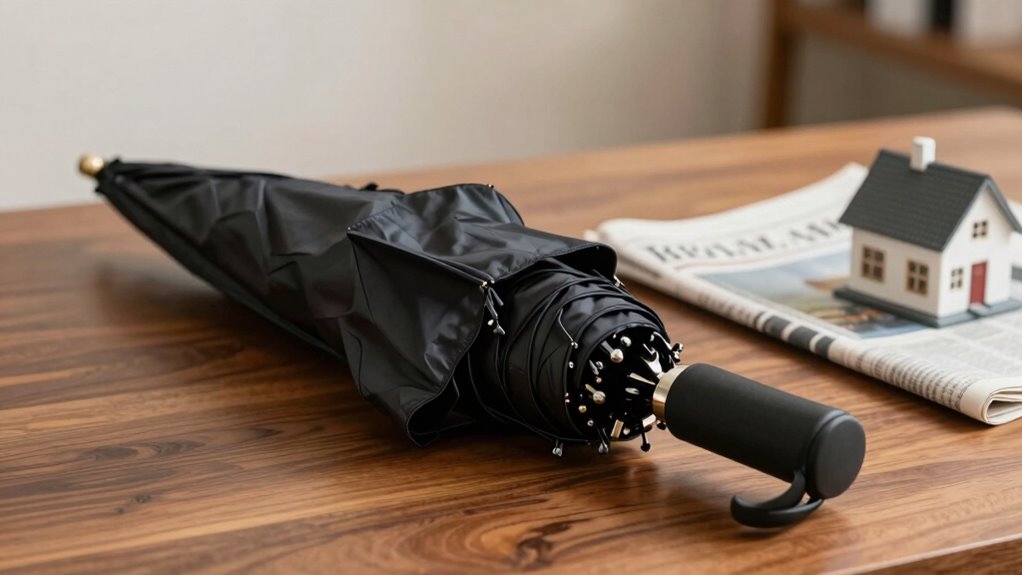
Umbrella insurance provides extra liability coverage beyond what your standard policies offer, and many people overlook its significance until it’s too late. You might already have homeowners or auto insurance, but those policies have their own coverage limits and policy exclusions. When an accident or incident exceeds those limits, you’re left to cover the remaining costs out of pocket. That’s where umbrella insurance steps in, offering broader protection and peace of mind.
You need to evaluate whether your current coverage is enough. For example, if someone gets injured on your property and medical bills surpass your homeowner’s policy, you could be facing significant expenses. Similarly, if you’re involved in a car accident that results in a lawsuit, your auto policy may not cover the full scope of damages if they go beyond its coverage limits. An umbrella policy can help fill these gaps, providing an extra layer of security. But it’s essential to understand that umbrella insurance doesn’t cover everything. It generally doesn’t pay for damages caused intentionally or for certain business-related claims. Also, it won’t cover damages that fall under policy exclusions in your primary policies.
One reason many overlook umbrella insurance is they assume their existing coverage is sufficient. However, if you own a home, have substantial savings, or a high net worth, the risks increase. A single lawsuit can quickly wipe out your assets if your coverage limits aren’t high enough. Umbrella policies are designed to kick in once your primary coverage hits its limit, but they only work if your existing policies are up to date and properly structured. It’s vital to review your policies for potential policy exclusions that could limit coverage—such as damages caused by certain activities or specific legal claims—and ensure your umbrella policy complements them.
You also need to evaluate your risk factors. Do you own a swimming pool, have teenage drivers, or frequently host gatherings? These situations can increase the likelihood of accidents and lawsuits, making an umbrella policy a smart investment. Additionally, understanding liability coverage and how it interacts with your policies can help you better assess your protection needs. Recognizing how coverage limits relate to your overall financial situation can help you determine whether an umbrella policy is a worthwhile addition. Being aware of the types of personal injuries that can lead to lawsuits is also crucial, as some injuries might be more costly than others. Moreover, understanding the significance of risk management strategies can help you prevent potential claims and reduce insurance costs. Developing a comprehensive risk assessment and implementing safety measures can further reduce your exposure to liabilities. While it might seem like an extra expense, the cost of an umbrella policy is relatively low compared to the potential financial devastation of a major claim. It’s about creating a safety net that extends your existing coverage and shields your assets from unforeseen liabilities.
In the end, whether you need umbrella insurance depends on your personal circumstances, assets, and risk tolerance. But understanding your current coverage limits and policy exclusions is the first step toward making an informed decision. If you’re worried about exceeding your primary policies’ limits or facing policy exclusions that leave gaps in your protection, contemplating an umbrella policy could be a wise move. It’s about being proactive, not reactive, in safeguarding your financial future.
As an affiliate, we earn on qualifying purchases.
Frequently Asked Questions
How Much Coverage Should an Umbrella Policy Provide?
You should get an umbrella policy that offers at least $1 million in additional coverage, but consider increasing your policy limits if you have significant assets or higher risk factors. Think about your personal situation and potential liabilities, and choose coverage that surpasses your existing policies. This way, you guarantee you’re protected from major claims or lawsuits, providing peace of mind and financial security beyond your standard policy limits.
Can Umbrella Insurance Protect Against Lawsuits Abroad?
Think of umbrella insurance as a safety net stretching across borders. It can protect you against lawsuits abroad if it offers international coverage or global liability protection. However, not all policies include this feature, so you need to check with your insurer. If you travel frequently or own property overseas, getting an umbrella policy with international coverage safeguards you from legal surprises and hefty expenses worldwide.
Is Umbrella Insurance Necessary for Homeowners Without Assets?
If you’re a homeowner without significant assets, umbrella insurance might seem unnecessary, but it offers valuable luxury coverage and asset protection. Accidents happen unexpectedly, and liability claims can quickly drain your finances. Even without substantial assets, your home and future income are at risk. Umbrella policies provide an extra layer of security, ensuring you’re protected from costly lawsuits or claims, giving you peace of mind regardless of your asset size.
How Does Umbrella Insurance Interact With Existing Policies?
Imagine your existing policies as tiny, fragile castles, easily toppled. Umbrella insurance acts like a giant net, expanding your liability scope and catching those unexpected legal storms. It seamlessly integrates with your current policies, boosting your coverage without tearing down walls. So, if a big claim hits, your umbrella policy steps in, providing extra protection and peace of mind—because sometimes, your castle needs more than just a few stones.
What Are Common Exclusions in Umbrella Insurance Policies?
Your umbrella insurance policy often has exclusions that you need to watch out for. Common exclusions include damages from intentional acts, business-related liabilities, and certain vehicle or watercraft incidents. While the premium costs are generally affordable, these exclusions mean some claims won’t be covered. You should review your policy carefully to understand what’s excluded and consider additional coverage if you have high-risk activities or assets.
liability insurance for homeowners
As an affiliate, we earn on qualifying purchases.
As an affiliate, we earn on qualifying purchases.
Conclusion
So, do you really need umbrella insurance? If you want extra protection beyond your existing policies and want peace of mind in case of major claims, it might be worth considering. It’s an affordable way to safeguard your assets and future. Think about your risks—are you prepared for a surprise lawsuit or hefty damages? Sometimes, a little extra coverage can make all the difference. Isn’t protecting what matters most worth it?
auto liability insurance coverage
As an affiliate, we earn on qualifying purchases.
As an affiliate, we earn on qualifying purchases.
As an affiliate, we earn on qualifying purchases.
Halloween Picks
halloween
As an affiliate, we earn on qualifying purchases.