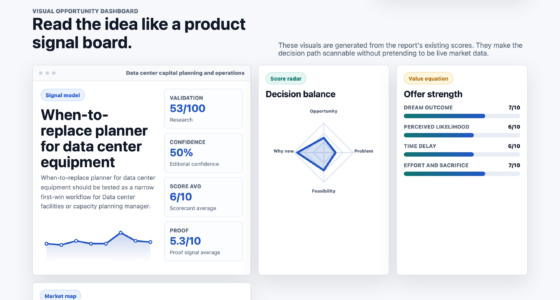
📊 Full opportunity report: The Key To Voice Talent Licensing In The AI Marketplace on IdeaNavigator AI — validation score, market gap, and execution plan.
TL;DR
A new licensing platform is being tested to give voice actors control over their AI clones’ usage. This development aims to address legal and operational challenges in the growing AI voice market, with early validation underway.
A licensing and approval hub for voice actors’ AI clones is being tested as a first-step workflow to help professional voice actors manage licensing, scope, and payments for their synthetic voices. This initiative addresses a key challenge in the expanding AI voice marketplace, where actors currently lack a standardized, enforceable licensing process.
The proposed platform allows voice actors to create license listings specifying permitted uses, banned categories, and per-project rates for their AI voice models. Buyers can then submit project requests, which voice actors can approve or reject with a single click. Approved uses are logged automatically, ensuring an audit trail and clearer scope management. The system also facilitates payment processing based on predefined terms.
This approach aims to replace the current ad hoc licensing methods, which often rely on informal emails and lack enforceability or transparency. The initial testing involves recruiting ten voice actors with existing AI clones, routing five real project requests through the system, and measuring whether they would prefer to handle paid licensing deals via this structured workflow. The platform plans to generate revenue through a percentage commission on each approved licensing transaction.
Why Structured Licensing Matters for AI Voice Market
This development is significant because it offers a practical solution to legal and operational challenges faced by voice actors in the AI era. As AI voice cloning becomes commercially viable, ensuring proper consent, scope control, and fair compensation is increasingly urgent. A standardized licensing platform could help protect actors’ rights, streamline negotiations, and foster trust in the AI voice ecosystem. It also aligns with recent legal and union discussions emphasizing the importance of consent and fair remuneration for synthetic voices.
AI voice cloning licensing platform
As an affiliate, we earn on qualifying purchases.
As an affiliate, we earn on qualifying purchases.
Growing Need for Clear Voice Actor Licensing Frameworks
The rise of AI voice cloning has created a new market for synthetic voices, with many voice actors now owning AI clones of their own voices. However, the current licensing landscape is fragmented, often relying on informal agreements that lack enforceability. Recent legal attention, including union positions and intellectual property debates, underscores the need for more structured licensing solutions. The proposed platform by IdeaNavigator AI aims to address this gap by providing a dedicated workflow for managing voice licenses, scope, and payments in a transparent manner.
“This licensing hub could set a new standard for how voice actors control their AI clones and ensure fair compensation.”
— an anonymous researcher
voice actor licensing management software
As an affiliate, we earn on qualifying purchases.
As an affiliate, we earn on qualifying purchases.
Uncertainties About Platform Adoption and Effectiveness
It is not yet clear how many voice actors will adopt this licensing platform or whether it will effectively replace existing informal licensing practices. The success of the initiative depends on the willingness of voice actors and buyers to use the system consistently and on its ability to handle complex licensing scenarios at scale. Further testing and feedback are needed to confirm its practical viability and impact on the market.
As an affiliate, we earn on qualifying purchases.
Next Steps for Validation and Market Integration
The next phase involves recruiting the targeted ten voice actors, routing five real project requests through the licensing flow, and collecting data on their willingness to use the platform for paid deals. If successful, the platform could expand its user base and features, potentially becoming a standard tool for voice talent licensing in the AI marketplace. Ongoing development will also focus on refining user experience and ensuring legal compliance.
voice actor project licensing system
As an affiliate, we earn on qualifying purchases.
As an affiliate, we earn on qualifying purchases.
Key Questions
How does the licensing platform improve current practices?
The platform provides a structured, enforceable workflow for licensing AI voices, replacing informal email agreements with clear scope, usage terms, and payment tracking.
Will voice actors be required to use this platform?
Usage is voluntary during the testing phase, but its adoption could become standard if proven effective and beneficial for managing licensing and payments.
Can this platform handle complex licensing scenarios?
The initial design focuses on straightforward use cases, but future updates aim to accommodate more complex licensing arrangements and contractual nuances.
What legal protections does the platform offer voice actors?
By creating an audit trail and clear scope, the platform helps enforce licensing agreements and protect actors’ rights, though legal enforceability depends on jurisdiction and contract specifics.
When will the platform be available for broader use?
The current testing is ongoing, with wider availability contingent on successful validation and user feedback, likely within the next few months.
Source: IdeaNavigator AI