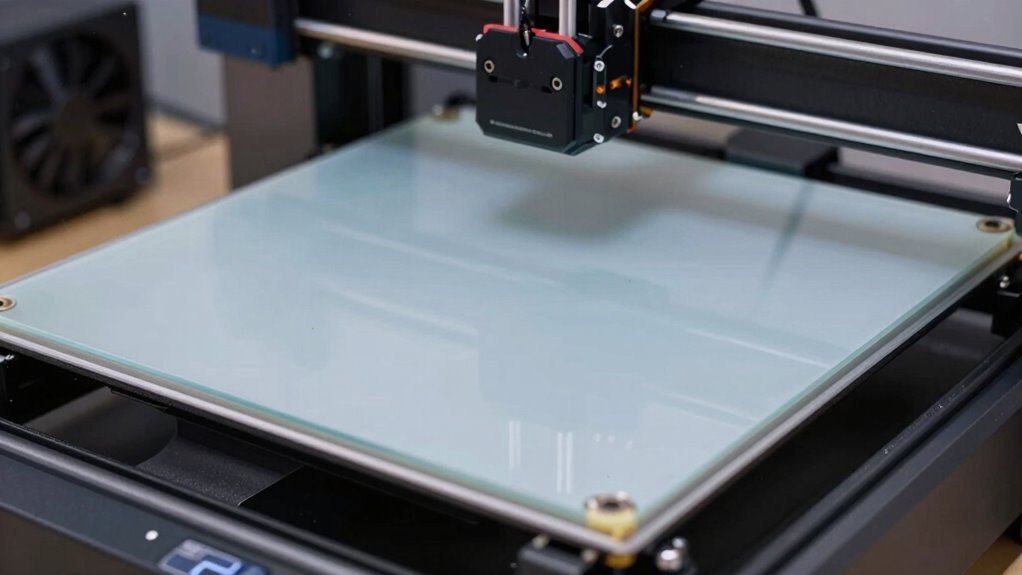

The key setup rule for better 3D printing from day one is to prioritize proper calibration, including bed leveling, extruder height, and axis alignment. Use simple tools like a sheet of paper or calibration card to adjust these settings accurately. Regular calibration ensures good layer adhesion, reduces issues like warping, and improves overall print quality. Stick with this essential step, and you’ll find that your prints become more consistent and professional, with much less troubleshooting as you go.
Key Takeaways
- Perform thorough bed leveling before every print to ensure proper adhesion and layer accuracy.
- Calibrate nozzle height precisely using a piece of paper or calibration card for optimal first layer quality.
- Regularly check and align all axes to prevent print misalignments and improve print consistency.
- Use manufacturer-recommended filament settings to avoid common issues like stringing or nozzle jams.
- Implement consistent calibration routines whenever changing filament or moving the printer to maintain optimal performance.
Getting started with 3D printing can be tricky, but mastering the setup rule can make all the difference. The key is to guarantee your printer is properly calibrated and that you’re using the right filament types for your project. When you focus on these aspects from the beginning, you set yourself up for success and reduce the frustration of failed prints.
Proper calibration and filament selection are essential for successful, high-quality 3D prints from the start.
First, pay close attention to printer calibration. This step is often overlooked but is vital for achieving high-quality results. Proper calibration means adjusting your printer’s bed level, extruder height, and axis alignment to ensure each layer adheres correctly and prints smoothly. If your printer isn’t calibrated, even the best filament won’t produce good results. Spend time leveling the bed accurately, perhaps with a sheet of paper or a calibration card, to make sure the nozzle is at the ideal distance from the build surface. This helps prevent issues like warping or poor adhesion, which are common causes of failed prints. Regular calibration checks, especially after moving the printer or changing parts, keep your machine running at peak performance.
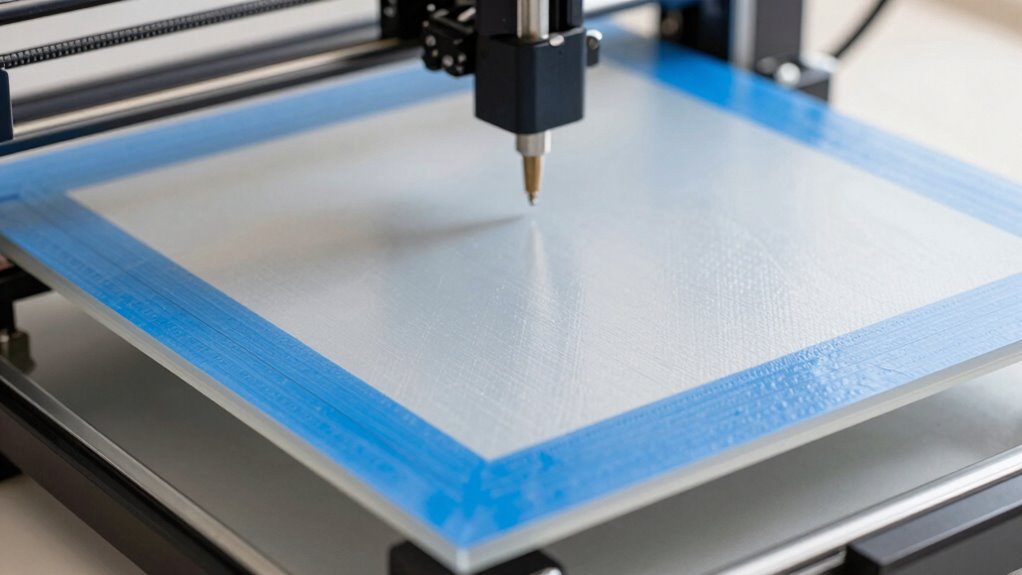
Next, understanding filament types is essential. Not all filaments are created equal, and choosing the right type for your project can save you time and material. For example, PLA is beginner-friendly and works well for most standard prints, while ABS offers strength but requires a heated bed and good ventilation. PETG combines strength and flexibility but needs specific temperature settings. Once you select a filament type, make sure your printer’s hotend temperature and print speed are dialed in accordingly. Different filaments have unique requirements, and ignoring these can cause stringing, poor layer adhesion, or even nozzle jams. Always read the manufacturer’s recommendations and perform test prints to find the ideal settings for each filament type. Additionally, understanding print bed adhesion techniques can significantly improve your first layer quality and overall success rate.
Combining proper printer calibration with an understanding of filament types creates a solid foundation for successful 3D printing. It’s not just about pressing “print” — it’s about setting up your machine to perform reliably from day one. When your printer is well-calibrated, and you’re using suitable filament materials, you minimize common issues and improve print quality. It’s a straightforward rule but a powerful one: invest time in calibration and filament knowledge upfront. This approach saves you from wasting time troubleshooting and helps you produce consistent, professional-looking prints right from the start. Keep these principles in mind, and you’ll find that your 3D printing experience becomes more predictable, enjoyable, and successful.
As an affiliate, we earn on qualifying purchases.
Frequently Asked Questions
How Often Should I Recalibrate My 3D Printer?
You should recalibrate your 3D printer whenever you change filament storage, notice print quality issues, or switch to a different filament type. Regular recalibration guarantees consistent print quality, especially if you tweak print speed or material. It’s a good habit to check calibration monthly, or after every few prints, to keep your prints precise and maximize your printer’s performance from day one.
What Tools Are Essential for Initial Setup?
You’ll need a set of basic tools like a leveling card or feeler gauge for initial setup, along with Allen wrenches for any adjustments. Keep your filament stored properly in a sealed container to prevent moisture issues, and regularly check your nozzle for clogs or wear to guarantee smooth printing. These tools and habits help your 3D printer perform reliably from day one, reducing errors and improving print quality.
Does Ambient Temperature Affect Print Quality?
Think of your 3D printer as a delicate dancer responding to the stage’s ambiance. Yes, ambient temperature impacts print quality, affecting filament storage and nozzle cleaning. If it’s too hot or cold, your filament may warp or stick, leading to imperfections. Keep your environment stable, and you’ll enjoy cleaner nozzle operation and consistent prints, making your printer dance flawlessly from day one.
How Do I Troubleshoot Print Adhesion Issues?
To troubleshoot print adhesion issues, start by checking your filament storage—ensure it’s dry and properly stored to prevent moisture. Next, clean and maintain your nozzle regularly to avoid clogs that can cause poor adhesion. Also, verify your bed level and temperature settings. Proper filament storage and nozzle maintenance are key to consistent adhesion, helping you achieve better prints from the very first layer.
Can Setup Rules Vary Between Different 3D Printer Models?
Yes, setup rules can vary between different 3D printer models. You need to take into account material compatibility, as some printers handle specific filaments better than others. Additionally, firmware updates can influence how your printer performs, affecting calibration and print quality. Always follow your model-specific guidelines, and keep firmware up to date to optimize performance, ensuring your setup rules are tailored for best results right from the start.
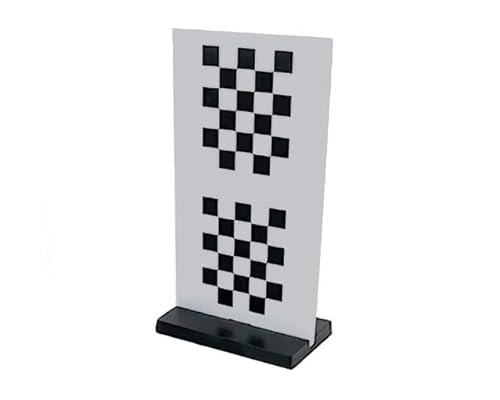
Matter & Form 3D Scanner Replacement Calibration Card
- Calibration Card: Includes one calibration card
As an affiliate, we earn on qualifying purchases.
As an affiliate, we earn on qualifying purchases.
Conclusion
Think of your 3D printer as a garden; with the right setup, you plant the seeds of precision and patience. When you follow the setup rule, you’re nurturing a future of flawless prints, like a gardener tending to each leaf with care. From day one, your printer becomes a trusted partner, blossoming into a tool that grows better with each project. Embrace the process, and watch your creations flourish beyond your expectations.

Official Creality Hi Strain Gauge, Strain Gauge_38×23.95×3_L50, 3D Printer Accessories for Creality Hi
- Official Creality Replacement: Ensures compatibility and performance
- High-Precision Detection: Detects minute pressure changes accurately
- Easy to Install: Plug-and-play for quick replacement
As an affiliate, we earn on qualifying purchases.
As an affiliate, we earn on qualifying purchases.

3D Printer Calibration & Filament Test Log: Track temperatures, retraction, flow rate, print profiles, and results
As an affiliate, we earn on qualifying purchases.
As an affiliate, we earn on qualifying purchases.