
Choosing a safe that’s too small can leave your important items cramped or unprotected, risking loss or damage. On the other hand, a safe that’s too large can be heavy, expensive, and difficult to secure properly, which weakens your setup. Both mistakes can compromise your security and fireproofing efforts. Getting the right size isn’t just about space—it’s about ensuring your valuables are protected and accessible. If you want to avoid these pitfalls, keep exploring for practical tips.
Key Takeaways
- Choosing a safe too small limits storage, risking loss of valuables and compromising organization.
- Selecting a safe too large increases weight, installation complexity, and costs, which can undermine security.
- Improper sizing may force selective storage, leaving critical items vulnerable or inaccessible.
- Failing to consider future needs can result in inadequate space for growing valuables.
- Misjudging safe size can hinder effective fireproofing and security features, reducing overall protection.
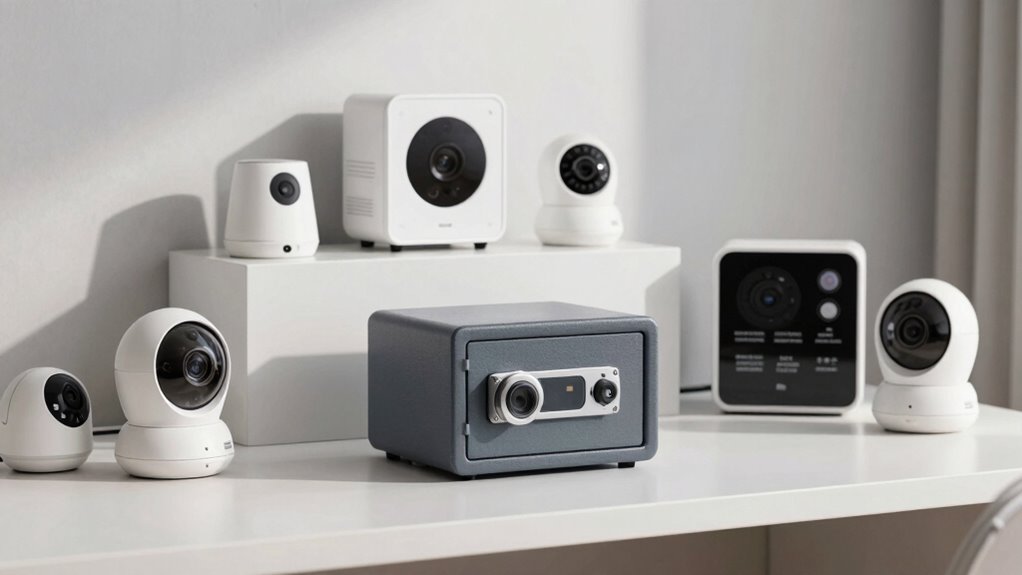
Have you ever chosen a home safe that’s too small or too large for your needs? It’s a common mistake that can seriously affect how well your setup works. Picking the right size isn’t just about fitting your valuables; it’s about ensuring your security protocols are effective and your fireproof features provide the protection you need. When you select a safe that’s too small, you might find yourself cramming in essential documents, jewelry, or cash, leaving little room for growth or additional items. This can lead to frustration and the temptation to leave valuables unsecured elsewhere, which defeats the purpose of having a safe in the first place. On the flip side, opting for a safe that’s too large can be just as problematic. Larger safes tend to be heavier and more difficult to install securely, and they often come with a higher price tag. If you don’t have enough valuables to fill it, you might be paying for unused space, which isn’t cost-effective. Additionally, installation requirements become more complex with larger safes, requiring careful planning and proper anchoring to prevent theft or accidents. Considering the weight and installation requirements, choosing the right size ensures your safe can be properly anchored and integrated into your overall security plan. When considering size, you need to think about more than just volume. The right safe should accommodate your current needs and anticipate future ones, so you don’t have to buy a new one later. This calls for a careful evaluation of what needs to be protected, including important legal documents, heirlooms, or firearms. Once you’ve identified what needs to be protected, you can better judge the safe’s interior space. Remember, a safe that’s too small can compromise your security protocols. It might tempt you to leave valuables exposed or poorly organized, increasing the risk of theft or damage. Conversely, a safe that’s too large might not be as secure as you think if it’s not properly anchored or integrated into a thorough security plan. Fireproof features are just as essential as size. A safe with robust fireproof qualities can protect important items from unexpected fires, but the size determines whether it can hold everything you need protected. If your safe is too small, you might have to choose what to keep inside, risking loss of critical documents or irreplaceable items. If it’s too large, you could miss out on the fireproof features’ full potential because larger safes sometimes require more specialized installation and maintenance. Additionally, considering nail biology can help you understand how different materials used in safe construction affect their durability and resilience. Understanding how drone bees contribute to hive health can also shed light on the importance of choosing high-quality materials that promote longevity. Ultimately, the key is balancing size with the necessary security protocols and fireproof features, so your investment keeps your valuables safe, secure, and accessible when you need them most. Exploring electric safes with advanced security features can further enhance your protection strategy, especially in today’s digital age.
fireproof home safe with digital lock
As an affiliate, we earn on qualifying purchases.
As an affiliate, we earn on qualifying purchases.
Frequently Asked Questions
How Do I Measure My Space Accurately for a Safe?
To measure your space accurately for safe installation, start by clearing the area and using a tape measure to note the width, depth, and height. Consider space planning by leaving enough room for easy access and ventilation. Measure from wall to wall, accounting for any obstructions, and double-check your dimensions. Precise measurements guarantee your safe fits well, making installation smoother and preventing any size mistakes that could compromise your setup.
What Safety Features Should I Prioritize in a Safe?
Think of your safe as a trusty fortress—prioritize fire resistance to protect your valuables from unexpected flames, just like a castle’s walls defend its treasures. Also, look for concealment options to keep your safe discreet, much like secret chambers hidden from intruders. These features guarantee your items stay secure and protected from both fire and theft, making your safe a true guardian of your valuables.
Can I Change the Safe Size Later if Needed?
Yes, you can change the safe size later if needed, but it’s not always straightforward. When choosing a safe, consider fire-resistant features and digital lock options to guarantee security and durability. If you later decide to upgrade, you’ll need to transfer your valuables carefully and select a larger safe that still offers these features. Planning ahead helps prevent the hassle of resizing or replacing your safe prematurely.
Are There Legal Size Restrictions for Home Safes?
Think of your safe as a fortress—you need to obey local rules to keep it standing tall. Yes, there are legal size restrictions for home safes, especially regarding fire resistance and concealment options. Many jurisdictions limit safe dimensions to prevent theft or concealment of illegal items. Check your local regulations before purchasing, so your fortress remains compliant and secure, avoiding trouble that can turn your setup into a weak link.
How Does Safe Size Impact Overall Security?
Safe size directly impacts your security because a larger safe allows you to store more valuable items and provides better fire resistance, protecting your belongings during fires. When you choose the right size, you can optimize safe placement, ensuring it’s hidden or secured properly. A small safe might be easier to carry off or break into, while a larger one offers increased protection and peace of mind for your valuables.

Beach Safe Lock Box for Beach,Portable Collapsible Twist-in-Sand Vault, Waterproof Rust-proof Anti-Theft Security Safe for Valuables, Phone & Keys
- Secure Twist-In Sand Anchor: Buries securely with a simple twist
- Collapsible & Portable Design: Folds into compact, lightweight form
- Key Lock Security: Sturdy lock keeps valuables safe
As an affiliate, we earn on qualifying purchases.
As an affiliate, we earn on qualifying purchases.
Conclusion
Choosing the wrong safe size can turn your smart setup into a nightmare. Imagine storing precious jewelry in a tiny safe that’s quickly filled, leaving valuables exposed or inaccessible. Or, consider a homeowner who opts for a large, bulky safe that’s difficult to hide, making it a target for thieves. To keep your valuables secure and your setup efficient, size matters. Think carefully about what you’ll store and pick a safe that comfortably fits everything—your peace of mind depends on it.
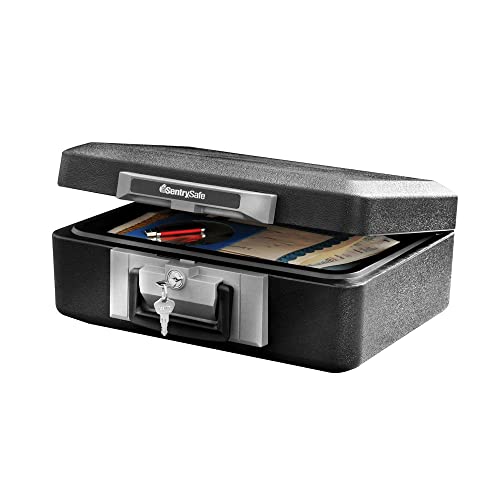
SentrySafe Fireproof Safe Box with Key Lock, Chest Safe with Carrying Handle to Secure Money, Jewelry, Documents, 0.25 Cubic Feet, 6.3 x 15.3 x 12.1 Inches, 1160
- Fire Resistant Safety Box: Protects valuables from fire damage
- UL and ETL Certified: Endures 30 minutes at 1550ºF
- Key Lock Security: Includes privacy key lock and two keys
As an affiliate, we earn on qualifying purchases.
As an affiliate, we earn on qualifying purchases.

25.6" Tall Wall Safes Between the Studs Fireproof, Combination Lock Hidden Safe with Removable Shelf, Heavy Duty Fireproof in Wall Safe with Hidden Bottom Compartment for Documents Money Valuables
- Dimensions: 25.6"H x 14"W x 4.02"D
- Fits Between Studs: Designed for 16-inch centers
- Concealed Mounting: Flush mount behind artwork
As an affiliate, we earn on qualifying purchases.
As an affiliate, we earn on qualifying purchases.