Living off the grid can cut your costs considerably by allowing you to buy affordable land, generate your own renewable energy, and reduce utility bills. While upfront costs for solar, batteries, and water systems can be high, tax incentives and lower ongoing expenses make it worthwhile. However, you should also consider challenges like limited healthcare, emergency services, and potential system repairs. Want to explore more about financial benefits and risks? Keep going for the full picture.
Key Takeaways
- Lower living costs and land prices in certain states make off-grid lifestyles more affordable.
- Initial investments in renewable energy systems and water harvesting are significant but reduce long-term utility expenses.
- Off-grid living can lead to substantial savings on utility bills through renewable energy and rainwater collection.
- Challenges such as limited services, emergency preparedness, and maintenance costs impact overall financial stability.
- Growing demand from remote workers and environmentalists boosts the financial appeal of self-sufficient, off-grid living.

Living Off the Grid
Are you considering living off the grid? If so, you’re weighing the financial benefits and challenges that come with self-sufficient living. One of the biggest advantages is the low cost of living in many top-ranked states. For example, places like Iowa and New Mexico offer affordable land and living expenses, making it easier to sustain yourself without relying heavily on external income. In Iowa, the moderate climate and rural healthcare access support a stable lifestyle, while New Mexico’s minimal regulations on rainwater collection and zoning keep costs down and simplify setup. Texas also stands out with a massive supply of land—about 48,000 plots for sale—and a focus on renewable energy infrastructure, including a projected increase of over 60,000 MW in wind energy and 35,000 MW in solar. This abundance makes it easier and more affordable to source renewable power, reducing your monthly bills and boosting your financial independence. Renewable energy infrastructure is a key factor in making off-grid living more economical and sustainable over the long term. Additionally, advancements in solar technology continue to lower costs and improve efficiency, making renewable options more accessible to off-grid dwellers.
Affordable land and renewable energy boost off-grid living in Iowa, New Mexico, and Texas.
Tax incentives for solar panel installations and renewable energy usage in some states further cut upfront costs, making the transition more accessible. When you generate your own energy and collect rainwater or harvest other natural resources, you considerably lower or eliminate utility bills. This self-sufficiency can lead to long-term savings, especially as housing market inflation and remote work trends push more people toward affordable, rural properties. The appeal of reduced ongoing expenses attracts a diverse demographic—remote workers, families, environmentalists—who all seek financial independence and a simpler lifestyle.
However, going off-grid isn’t without its financial downsides. The initial investment can be substantial, especially when you factor in renewable energy systems, batteries, water harvesting systems, and backup fuels. These start-up costs vary depending on your location and the technology you choose. Additionally, many remote off-grid areas have limited local job opportunities, so you’ll likely need a remote or alternative income source to sustain your lifestyle. Property taxes and ongoing maintenance costs remain, and some areas lack affordable healthcare or emergency services, which could lead to unexpected expenses.
Natural disasters pose another risk, potentially disrupting your self-sufficient systems and requiring emergency preparedness plans. While advances in renewable energy tech are lowering costs and improving reliability, it’s essential to plan carefully and budget for unexpected repairs or system failures. Ultimately, living off the grid offers financial freedom through reduced bills and independence, but it demands upfront investments, careful planning, and adaptability to maintain that freedom in the face of potential challenges.

ECO WORTHY 10000W Output Complete Off-Grid Solar Panel Kit for Home| 10KW 120V/240V Output Split Phase Inverter| 48V 314Ah16.1kWh High Capacity Energy Storage| 2950W Solar Panel PV| Whole House System
- Power Output: 10kW with split-phase support
- Solar Panels: 5 × 590W panels, 2950W capacity
- Energy Storage: 48V 314Ah LiFePO₄ battery, 16.1 kWh
As an affiliate, we earn on qualifying purchases.
As an affiliate, we earn on qualifying purchases.
Frequently Asked Questions
How Do Off-Grid Homes Handle Unexpected Natural Disasters?
When a natural disaster strikes, your off-grid home relies on preparedness and resilience. You’ve built it with sturdy materials and have backup systems like solar batteries, water storage, and emergency supplies. You stay vigilant, maintain your equipment, and have an evacuation plan ready. This proactive approach helps you protect yourself, minimize damage, and recover quickly, ensuring your off-grid lifestyle remains sustainable even during unexpected natural events.
What Are the Legal Requirements for Living off the Grid?
You need to research local zoning laws and building codes first. Many areas require permits for constructing homes and installing systems like wells and septic tanks. You might need inspections and approvals before living off-grid legally. Some regions have specific regulations about renewable energy systems or water rights. Always check with local authorities to verify your setup complies, and consider consulting a legal expert to navigate complex rules effectively.
How Do Off-Grid Residents Access Emergency Services?
Imagine you’re miles from town when a medical emergency happens. Off-grid residents typically call emergency services via cell phone or satellite phone. For example, a remote homeowner might use a satellite service like Globalstar to contact emergency responders. Some communities also establish their own emergency plans, including local volunteers or nearby neighbors. Always keep emergency contacts and equipment ready, so help arrives quickly when needed.
Can Off-Grid Living Be Suitable for Large Families?
Living off the grid can work for large families if you plan carefully. You’ll need enough space, reliable power sources, and sufficient food storage. Managing daily chores might be more demanding, but it’s doable with good organization. You can teach kids about self-sufficiency and eco-living. Just make sure your property and resources support your family’s size, and be ready for the extra effort required to maintain a comfortable, self-sufficient home.
What Are the Best Locations for Off-Grid Living?
You should consider rural areas with ample land, like parts of the Pacific Northwest, Colorado, or northern Maine. These locations offer privacy, natural resources, and fewer regulations. Look for places with good access to sunlight for solar power and nearby water sources. Avoid densely populated regions or areas with strict zoning laws. By choosing the right spot, you’ll enjoy independence and a sustainable lifestyle, making your off-grid dreams more achievable.

Collapsible Rain Barrel Water Storage Containers-53 Gallon Portable Rainwater Collect System Water Tank to Collect Rainwater from Gutter Downspout Water Catcher with Spigots,Filter&Overflow Kits
- Leak-Proof Integrated Design: Screw-in faucet for easy, leak-free setup
- Durable Three-Layer PVC: Withstands tough conditions and prevents wobbling
- Foldable and Portable: Easy to store, carry, and transport
As an affiliate, we earn on qualifying purchases.
As an affiliate, we earn on qualifying purchases.
Conclusion
Living off the grid is like sailing into uncharted waters—you’ll find freedom and independence, but also face unpredictable storms. While you save money and enjoy a simpler life, you also take on challenges like limited resources and maintenance. Weigh the upsides and downsides carefully, and remember, it’s your journey that makes it worth it. With the right mindset, you can navigate these waters and create a life that truly reflects your values and dreams.
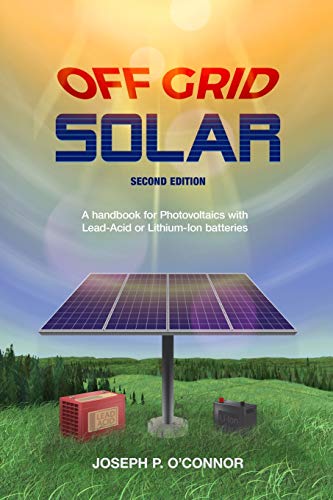
Off Grid Solar: A handbook for Photovoltaics with Lead-Acid or Lithium-Ion batteries
As an affiliate, we earn on qualifying purchases.
As an affiliate, we earn on qualifying purchases.
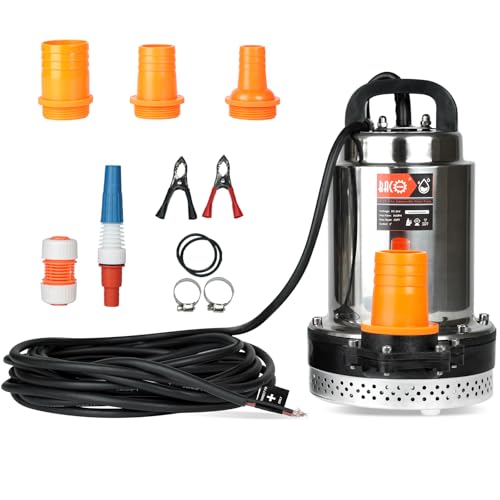
BACOENG DC 24V Solar Water Pump, Submersible Well Pump 23FT, 24GPM Lift for Farm & Ranch
- Voltage: 24V Power:120W Capacity:23US.GPM Max Head:20ft…
- Simple structure, less components, easy maintenance and repair.
- Stable Performance; has less power cost, larger flow,…
As an affiliate, we earn on qualifying purchases.
As an affiliate, we earn on qualifying purchases.