

Understanding your health insurance involves knowing how deductibles, copays, and other cost-sharing features work. Your deductible is what you pay out-of-pocket first before coverage kicks in. Copays are fixed fees for services, while coinsurance is a percentage of costs you share after meeting your deductible. An out-of-pocket maximum caps your total expenses each year, providing financial protection. If you’re willing to explore more details, you’ll gain better control over your healthcare costs.
Key Takeaways
- Premiums are regular payments to maintain insurance but do not count toward deductibles or out-of-pocket maximums.
- Deductibles are the amount you pay yearly before insurance covers most expenses; lower premiums often mean higher deductibles.
- Copays are fixed fees for specific services, providing predictable costs, while coinsurance is a percentage of costs after meeting the deductible.
- Out-of-pocket maximums limit your total expenses annually, offering financial protection during serious health events.
- Understanding cost-sharing components helps manage healthcare expenses and navigate insurance coverage effectively.

Are you wondering how health insurance works and why it matters? When you sign up for health insurance, you’re entering into a contract with an insurer to help cover the costs of medical care. This can include visits to the doctor, hospital stays, prescriptions, and sometimes preventive services. The main purpose is to protect you from high medical expenses, whether they’re routine or unexpected. There are different types of plans, like employer-sponsored coverage, individual or family plans, and government programs such as Medicare, Medicaid, CHIP, and Tricare. The Health Insurance Marketplace is a platform where you can compare and buy plans that meet your needs under the Affordable Care Act.
To keep your coverage active, you pay regular premiums—usually monthly. The amount you pay depends on your age, where you live, the type of plan you choose, and how many people are covered. Generally, higher premiums mean you’ll have lower deductibles, which is the amount you pay out-of-pocket before your insurance starts sharing costs. It’s important to understand that premiums keep your coverage in place, but they don’t count toward your deductibles or out-of-pocket limits.
Your deductible is the amount you need to pay before your insurer begins covering most expenses. For example, if your plan’s deductible is $1,500, you pay the first $1,500 of covered services each year. Plans with lower premiums tend to have higher deductibles, meaning you’ll pay more out-of-pocket before insurance helps. Plans with predictable expenses can help you budget better and avoid surprises, especially if you have ongoing healthcare needs. Deductibles reset every year, so tracking your payments annually is essential. Choosing a plan with a higher deductible might save you money monthly but also increases your risk of facing large bills if you need significant care.
When you visit a healthcare provider, you might pay a copay—a fixed fee for specific services. For instance, you could pay $30 for a doctor’s visit or a prescription refill. Copays are predictable and make routine costs easier to manage, but not all copays count toward your deductible. Different services have different copay amounts, such as primary care visits, specialist appointments, or emergency room trips.
After you’ve met your deductible, coinsurance kicks in. This is the percentage of costs you pay for covered services. If your coinsurance is 20%, you’re responsible for 20%, and your insurer pays the remaining 80%. Coinsurance continues until you reach your out-of-pocket maximum, which is the cap on what you’ll pay annually. Once you hit this limit, your insurance covers 100% of covered expenses, protecting you from excessive costs. Understanding these components helps you navigate your coverage better and plan for healthcare expenses effectively. Additionally, cost-sharing structures like copays and coinsurance are designed to encourage responsible healthcare utilization and prevent unnecessary medical visits. Being aware of out-of-pocket maximums is crucial, as they can significantly reduce financial burdens during serious health issues.
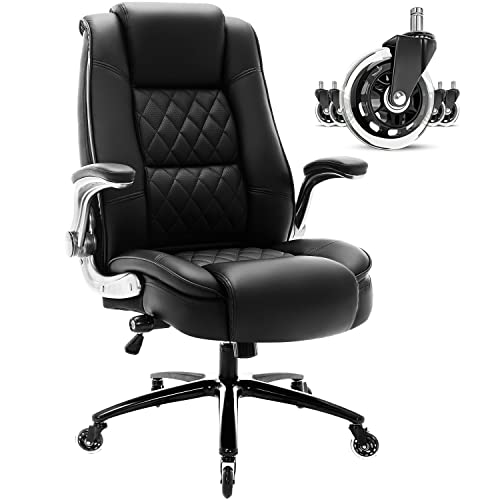
High Back Office Chair- Flip Arms Adjustable Built-in Lumbar Support, Executive Computer Desk Chair Work Chairs, Thick Padded Strong Metal Base Quiet Wheels, Ergonomic Design for Back Pain
【Sit Proud And Tall At Your Desk】If you need a comfortable office chair, the EZAKI big tall office...
As an affiliate, we earn on qualifying purchases.
Frequently Asked Questions
How Do I Choose the Best Health Insurance Plan for My Needs?
To choose the best health insurance plan for your needs, start by evaluating your medical needs and budget. Compare plans based on coverage options, premiums, deductibles, and copays. Consider your preferred doctors and hospitals, and check if your current providers are in-network. Read the policy details carefully, and don’t hesitate to ask questions. Selecting a plan that balances cost with the coverage you require will ensure you’re protected without overspending.
What Happens if I Switch Insurance Plans Mid-Year?
Switching insurance plans mid-year can feel chaotic, but it’s manageable. You might face prorated premiums, adjusted deductibles, or coverage gaps. Sometimes, your new plan may deny claims made before switching, or you could lose some benefits. However, if you qualify for a special enrollment period, you can switch without penalty. Be proactive—review your new plan’s details and notify providers to guarantee seamless coverage, minimizing stress during the changeover.
Are There Any Hidden Costs Beyond Deductibles and Copays?
Yes, there can be hidden costs beyond deductibles and copays. You might face charges for out-of-network providers, emergency services, or specific treatments not fully covered by your plan. Additionally, annual premiums, administrative fees, or charges for services outside your plan’s network can add up. Always review your policy details carefully, ask your insurer questions, and understand what costs might surprise you before receiving care.
How Does Health Insurance Work With Pre-Existing Conditions?
Think of your health insurance as a safety net that catches pre-existing conditions without leaving you stranded. Usually, insurers can’t deny coverage or charge higher premiums for these conditions thanks to laws like the ACA. You might still face some waiting periods or specific exclusions, but overall, your insurer should cover your pre-existing health issues just like any other. Make sure to review your policy details to understand exactly what’s covered.
Can I Get Financial Assistance or Subsidies for Health Insurance?
Yes, you can get financial assistance or subsidies for health insurance. If you’re in the U.S., check if you qualify through the Affordable Care Act marketplace based on your income and household size. You might also be eligible for Medicaid or state-specific programs. To find out, fill out an application during open enrollment or when you experience a qualifying life event. These options can substantially lower your monthly premiums and out-of-pocket costs.

Office Chair Ergonomic Desk Chair, Computer PU Leather Home Office Chair, Swivel Mesh Back Adjustable Lumbar Support Flip-up Arms Executive Task Chair
【Super Comfortable Office Chair】The thickened sponge seat cushion is quite soft and highly resilient, making it suitable for...
As an affiliate, we earn on qualifying purchases.
Conclusion
Understanding health insurance can feel overwhelming, but knowing key terms like deductibles and copays helps you make smarter choices. Did you know that nearly 27% of Americans skipped needed medical care in 2022 due to costs? By learning the basics, you can avoid surprises and save money in the long run. Stay informed, ask questions, and choose a plan that fits your needs — your health and wallet will thank you.

COLAMY High Back Executive Office Chair - Padded Leather Ergonomic Computer Desk Chair with Inflatable Lumbar Support & Flip-Up Arms, Adjustable Tilt Lock Swivel Task Chair for Home Office, Black
【CUSTOMIZABLE INFLATABLE LUMBAR SUPPORT】 Unlike standard chairs with fixed padding that barely touches your back, this ergonomic office...
As an affiliate, we earn on qualifying purchases.

Office Desk Chair, Ergonomic Computer Chair with Padded Flip-Up Arms and Adjustable Lumbar Support, PU Leather Executive Chair with Tilt Lock and 360° Swivel Rolling Wheels for Work, Study
【Installation/Other Issues】Our office chair package includes an installation guide, and detailed setup steps are available on our product...
As an affiliate, we earn on qualifying purchases.