

When choosing between REITs and rental properties, consider your goals for liquidity, management, and investment costs. REITs offer quick access to cash, lower upfront investment, and professional management, making them ideal for easier diversification. Rental properties provide potentially higher returns, tax benefits, and active involvement, but require more time and capital. To decide which suits your style and financial aims, explore more about these options and their pros and cons.
Key Takeaways
- REITs offer low-cost, accessible investment with high liquidity, whereas rental properties require substantial upfront capital and involve slower sales.
- REITs are professionally managed and traded on stock exchanges, providing ease of buying and selling; rental management demands active involvement.
- REITs distribute most income as dividends with moderate yields; rental properties can yield higher returns through rent income and appreciation.
- REITs provide instant diversification and market flexibility; rental properties expose investors to localized risks and operational responsibilities.
- REITs suit passive investors seeking liquidity; rental properties appeal to those willing to manage or hire for active, potentially higher-return investments.

REITs, or Real Estate Investment Trusts, make investing in real estate accessible for almost anyone. You can buy shares with less than $100, often through your brokerage account, just like stocks. This low entry point means you don’t need a large amount of capital upfront. Because REITs are traded on stock exchanges, you can buy and sell shares quickly, providing high liquidity. If you need cash fast, you can typically liquidate your investment within days, depending on market conditions. REITs also offer instant diversification, spreading your money across multiple properties and markets, which reduces risk compared to owning a single property. Additionally, because REITs are publicly traded, they are subject to market fluctuations that can impact your investment value.
REITs offer low-cost, highly liquid, and diversified real estate investment options accessible to most investors.
In contrast, rental properties require a substantial initial investment. You’ll need to cover the down payment, closing costs, and reserves for maintenance or vacancies. Buying a property involves a lengthy process, including credit qualification and property searching, which can be time-consuming and regionally variable. Managing rental properties demands hands-on involvement unless you hire a property manager, which adds to your costs. You’re responsible for sourcing tenants, collecting rent, maintaining the property, and ensuring compliance with housing laws. While this control allows you to make decisions like renovations or adjusting lease terms, it also increases your workload.
When it comes to returns, REITs generally distribute at least 90% of taxable income as dividends, offering steady yields typically between 3% and 7% annually. They also tend to perform well over the long term, with total returns near 9.5%. Rental properties can generate higher returns—often exceeding 8-10% annually—thanks to rental income and property appreciation. You can also benefit from tax advantages such as depreciation and mortgage interest deductions, which can boost your net gains. However, rental income can fluctuate based on occupancy, tenant turnover, and local market dynamics, making income less predictable. Furthermore, understanding vertical storage solutions and organization strategies can help in managing the physical space of rental properties more efficiently.
Liquidity is another major difference. REIT shares can be bought or sold quickly, providing flexibility in managing your portfolio. Rental properties, however, usually take months to sell, involving listings, negotiations, and closing processes. This makes them less suitable if you anticipate needing rapid access to your funds. Additionally, you can borrow against rental property equity through loans or lines of credit, offering some liquidity options, but the sale process remains slow.
Ultimately, rental properties expose you to operational risks like tenant vacancy and property management hassles, while REITs carry market and management risks tied to the funds’ professional managers. Your choice depends on whether you prefer a hands-on approach with potentially higher returns and tax benefits, or a passive investment with easier access and diversification.

Educated REIT Investing: The Ultimate Guide to Understanding and Investing in Real Estate Investment Trusts
As an affiliate, we earn on qualifying purchases.
As an affiliate, we earn on qualifying purchases.
Frequently Asked Questions
Which Option Offers Better Long-Term Growth Potential?
REITs generally offer better long-term growth potential because they can diversify across many properties and markets, making them more adaptable to economic changes. You can benefit from compounding returns without managing physical properties. Rental properties might provide steady income, but their growth depends heavily on local markets and management. If you’re looking for scalability and growth, REITs are often the smarter choice for long-term investing.
How Do Taxes Differ Between REITS and Rental Properties?
You’ll find that taxes on REIT dividends are typically taxed as ordinary income, which can be higher, while rental property income is often taxed at your regular income rate but allows for deductions like mortgage interest and depreciation. When you sell a rental property, you might face capital gains tax, whereas REITs usually don’t have similar tax advantages. Understanding these differences helps you plan your tax strategy effectively.
What Are the Risks Associated With Each Investment Type?
Did you know that 90% of REITs are publicly traded, exposing you to market volatility? Both investments carry risks: REITs face fluctuations from interest rate changes and market sentiment, while rental properties involve tenant issues, property maintenance, and liquidity challenges. You should consider these risks carefully, as REITs offer liquidity but less control, whereas rental properties require hands-on management but provide direct influence over your investment.
Can I Diversify My Portfolio More With REITS or Rental Properties?
You can diversify your portfolio more with REITs because they allow you to invest in multiple properties across different sectors and locations without the hassle of direct management. REITs are traded like stocks, making it easier to spread your investments across various real estate assets quickly. Rental properties, on the other hand, focus on individual or a few properties, limiting diversification but offering more control and potential income streams.
How Accessible Are These Investments for Beginner Investors?
You’ll find both options quite accessible if you’re a beginner. REITs are easy to buy through online brokerages, often requiring less capital, and offer instant diversification. Rental properties need more upfront investment and management effort but can be accessed through real estate platforms or partnerships. Overall, REITs tend to be more beginner-friendly due to lower barriers, while rental properties demand more hands-on involvement.
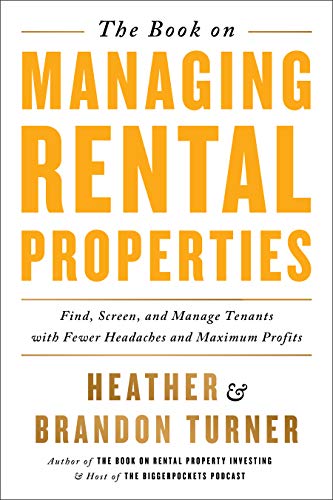
The Book on Managing Rental Properties: A Proven System for Finding, Screening, and Managing Tenants with Fewer Headaches and Maximum Profits (BiggerPockets Rental Kit, 3)
As an affiliate, we earn on qualifying purchases.
As an affiliate, we earn on qualifying purchases.
Conclusion
So, whether you choose REITs or rental properties, remember, you’re stepping into a world where your money could grow faster than a rocket to the moon or sink into the depths of the ocean. It’s like picking between riding a blazing comet or sailing a calm, steady ship through a stormy sea. Whichever path you take, make sure it’s the one that makes your financial dreams blast off—because in this game, the sky’s the limit!

Calculated Industries 3405 Real Estate Master IIIx Residential Real Estate Finance Calculator | Clearly-Labeled Function Keys | Simplest Operation | Solves Payments, Amortizations, ARMs, Combos, More
Dedicated function keys means quickly and confidently providing financial answers and options for your clients, whether in the…
As an affiliate, we earn on qualifying purchases.
As an affiliate, we earn on qualifying purchases.

Rental and Property Management Software Professional; All in One Property Rental and Tenant Management Software; Rental Property Manager (Online Access Code Card) Win, Mac, Smartphone
Rental Property Management Software
As an affiliate, we earn on qualifying purchases.
As an affiliate, we earn on qualifying purchases.