

To effectively plan for long-term care, start saving early and consider long-term care insurance to help cover increasing costs. Work with legal professionals to set up estate plans that protect your assets and clarify your wishes. Explore government programs like Medicaid for additional support, and craft an all-encompassing plan that combines savings, insurance, and assistance options. Taking these steps now sets you up for financial security and peace of mind as you age; discover more ways to prepare ahead.
Key Takeaways
- Start saving early and consider long-term care insurance with inflation protection to cover rising costs.
- Work with legal professionals to establish wills and powers of attorney for asset management.
- Combine private savings with government programs like Medicaid to maximize support and reduce out-of-pocket expenses.
- Plan proactively to protect assets, ensure access to appropriate care, and avoid financial depletion.
- Tailor a comprehensive plan based on individual needs, age, and financial situation to maintain independence and peace of mind.

Have you considered how you’ll manage your long-term care needs as you age? Planning ahead for these expenses is essential because long-term care can be costly, covering services like in-home support, assisted living, or nursing facilities. Without proper preparation, unexpected health issues could quickly drain your financial resources, leaving you stressed and unprepared. That’s why establishing a solid financial strategy is crucial for ensuring you receive the care you need without sacrificing your financial security.
Planning for long-term care is essential to protect your finances and ensure future support.
One of the most straightforward approaches is to start saving early. Setting aside dedicated funds for future care expenses can create a financial cushion, giving you peace of mind that resources will be available when needed. But since healthcare costs tend to rise faster than most savings can grow, you should also explore insurance options. Long-term care insurance (LTCI) offers coverage for various services, such as home-based care or residential facilities, helping you offset the high costs associated with aging. Many policies also include inflation protection, which ensures your coverage keeps pace with rising expenses, preventing your benefits from losing value over time.
Estate planning plays a vital role in managing your assets effectively. By working with legal professionals, you can create documents like wills and powers of attorney that clarify your wishes and protect your assets. Proper estate planning ensures your resources are allocated efficiently, whether to cover care costs or to pass on to loved ones. It also helps prevent family conflicts and streamlines the process of accessing funds when care becomes necessary. Understanding the importance of early planning can significantly improve your readiness for future needs and reduce stress for your family.
Government programs, like Medicaid, can provide additional support, especially if your income and assets fall below certain thresholds. However, qualifying for Medicaid often requires careful planning to protect your assets and ensure eligibility. Combining government assistance with private savings and insurance can create a comprehensive financial plan that minimizes out-of-pocket expenses.
Incorporating these strategies into your long-term care plan ensures you’re prepared for the financial demands of aging. Early planning not only helps you secure better care options but also safeguards your financial stability. As costs continue to rise and demographic shifts increase demand for services, taking action now becomes even more critical. By proactively managing your finances through savings, insurance, estate planning, and leveraging available assistance, you can maintain your independence and enjoy a higher quality of life as you age. The key is to start sooner rather than later, so you can build a robust plan tailored to your needs and circumstances, ensuring peace of mind for years to come.
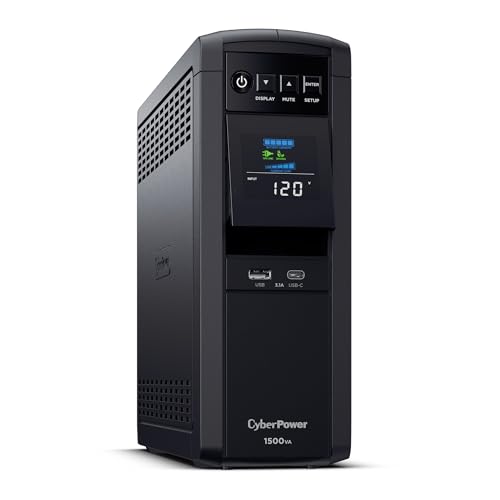
CyberPower CP1500PFCLCD PFC Sinewave UPS Battery Backup and Surge Protector, 1500VA/1000W, 12 Outlets, AVR, Mini Tower, UL Certified
1500VA/1000W PFC Sine Wave Battery Backup Uninterruptible Power Supply (UPS) System designed to support active PFC and conventional...
As an affiliate, we earn on qualifying purchases.
Frequently Asked Questions
How Do I Choose the Right Long-Term Care Insurance Policy?
To choose the right long-term care insurance policy, you should evaluate your future needs, budget, and coverage options. Compare policies for benefits, limits, and exclusions, and check the reputation of the insurer. Consider your health and family history to determine affordability and coverage. It’s wise to consult a financial advisor who can help you select a policy that aligns with your goals and provides peace of mind for aging.
What Are the Tax Implications of Long-Term Care Planning?
Long-term care planning can offer tax advantages. You might deduct premiums if you’re self-employed or if the policy qualifies under IRS guidelines, and some benefits could be tax-free if used for qualified care expenses. Keep in mind, tax laws change, so you should consult a tax professional to understand how your specific situation impacts your tax obligations and benefits. Staying informed helps maximize your benefits and minimize surprises.
How Can I Fund Long-Term Care Without Depleting My Savings?
Did you know that nearly 70% of people over 65 will need some form of long-term care? To avoid draining your savings, consider options like long-term care insurance, which helps cover costs without depleting your funds. You could also explore health savings accounts or Medicaid planning. Starting early and diversifying your funding sources guarantees you get the care you need without risking your financial security.
When Should I Start Planning for Long-Term Care Costs?
You should start planning for long-term care costs as early as possible, ideally in your 40s or 50s. Early planning gives you time to save, explore insurance options, and understand potential needs. Waiting too long can limit your options and increase costs. By taking action now, you guarantee you’re financially prepared and can make informed decisions that protect your savings and quality of life as you age.
Are There Government Assistance Programs for Long-Term Care?
Yes, there are government assistance programs for long-term care. You might qualify for Medicaid if your income and assets meet certain limits, helping cover nursing home or home-based care costs. Additionally, programs like the Veterans Affairs Aid and Attendance benefit provide support for eligible veterans and their spouses. It’s important to research your state’s specific programs and eligibility criteria to maximize available assistance and plan effectively for your future needs.

GOLDENMATE 1000VA/800W Lithium UPS Battery Backup and Surge Protector, Backup Battery Power Supply with LiFePO4 Batteries(230.4 Wh), Sinewave UPS System, 10 Years Lifespan, 8 Outlets, LCD Display
[LiFePO4 Battery, Ultra-long Endurance]: This lithium UPS is equipped with a state-of-the-art Lithium Iron Phosphate Battery Pack, delivering...
As an affiliate, we earn on qualifying purchases.
Conclusion
So, now you’re all set to outsmart those costly nursing homes and skyrocketing medical bills. With these savvy financial strategies, you’ll be the master of your aging years—because who doesn’t want to spend their golden years wisely, right? Just remember, planning ahead isn’t just about saving money; it’s about ensuring you’ll have plenty of stories to tell about how you cleverly avoided the “long-term care” trap. Cheers to your future, financially fabulous self!

Amazon Basics UPS Battery Backup & Surge Protector, 400VA/255W, 6 Outlets, Uninterruptible Power Supply, Small Compact Size, Black
Standby uninterruptible power supply (UPS) with 400VA / 255W battery backup; ideal for home networks, IoT devices, and...
As an affiliate, we earn on qualifying purchases.

APC UPS 600VA / 330W UPS Battery Backup & Surge Protector, 7 Outlets (NEMA 5-15R), USB Charging Port, BE600M1 Uninterruptible Power Supply for Computers, Wi-Fi Routers, and Home Office Electronics
600VA / 330W RELIABLE BACKUP POWER: Supplies short‑term battery power during outages to maintain internet connectivity and allow...
As an affiliate, we earn on qualifying purchases.