
To save hundreds on your medical bills, start by reviewing your bill carefully for errors like duplicate charges or unfamiliar services. Use a calm, confident tone to ask for an itemized statement and point out discrepancies. Mention insurance adjustments and ask about discounts or payment plans, especially if you’re facing financial hardship. Be polite, clear, and assertive to increase your chances of negotiating a better deal. Keep going, and you’ll discover effective tactics to lower your bills even more.

Get smart everyday buys delivered free with Prime
- Fast, free delivery on millions of items
- Prime Video, Amazon Music and more included
- Member-only deals all year
Key Takeaways
- Review and identify billing errors or discrepancies before contacting the provider or insurer.
- Use a calm, respectful tone while clearly explaining specific concerns about charges.
- Highlight insurance adjustments and ask if they can be applied to reduce your bill.
- Request financial assistance programs or discounts if experiencing hardship to lower costs.
- Be prepared to negotiate payment plans or reductions based on identified errors and review.
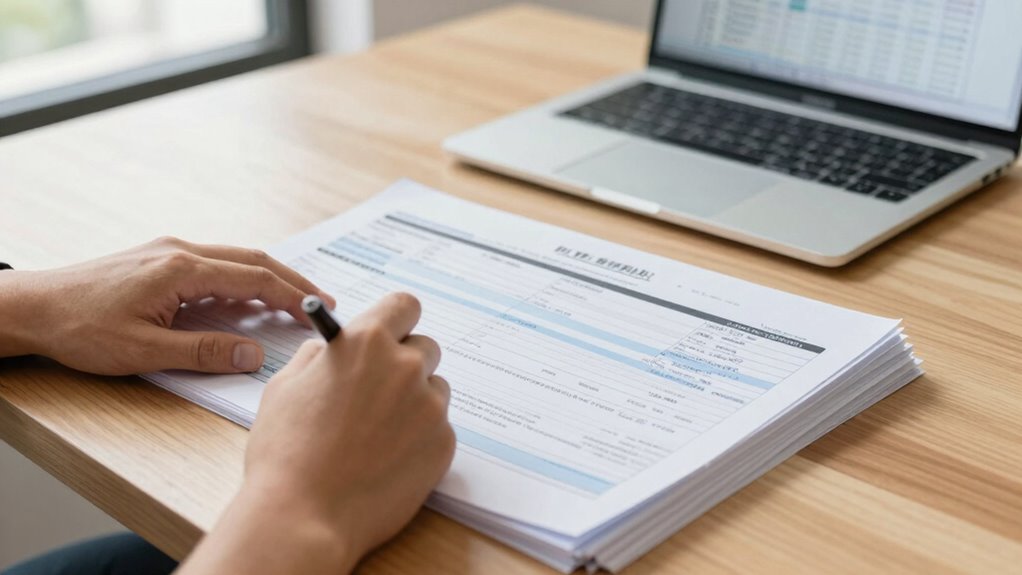
Have you ever received a medical bill that seemed overwhelming or unfair? If so, you’re not alone. Many people find themselves confused and frustrated when faced with high charges and confusing statements. The good news is that you can often reduce your bill considerably by understanding how to negotiate effectively. One key aspect to focus on is insurance adjustments, which are discounts your insurer applies but may not be reflected on your bill right away. Sometimes, billing errors also contribute to inflated charges. Spotting these mistakes and bringing them to the provider’s attention can make a big difference in lowering your total amount due.
When you’re ready to negotiate, start by reviewing your bill carefully. Look for discrepancies or charges that don’t match your insurance explanation of benefits (EOB). Billing errors are common and may include duplicate charges, incorrect dates, or services you didn’t receive. Once you identify potential mistakes, call your provider’s billing department and politely ask for an itemized bill. Clarify any unfamiliar charges and point out any errors you’ve found. Often, billing errors can be corrected quickly, leading to immediate savings. Additionally, understanding the financial literacy aspects of medical billing can help you recognize common billing practices and avoid falling victim to unnecessary charges. Being aware of the different types of insurance adjustments can also empower you to negotiate more effectively. Recognizing the importance of medical billing accuracy can further strengthen your position during negotiations and prevent future billing issues.
Furthermore, familiarizing yourself with insurance policies can help you anticipate potential issues and better advocate for yourself during negotiations. In your negotiation script, it’s important to be calm, respectful, and assertive. Begin by explaining that you’re reviewing your bill and want to ensure accuracy. Mention that you’ve noticed some charges that seem inconsistent with your insurance adjustments or that may be billing errors. For example, you might say, “I noticed a charge for services I don’t recognize and would like to verify its accuracy. I also see some adjustments that weren’t reflected in my insurance statement.” This approach shows you’ve done your homework and are serious about resolving the issue.
Next, politely request a reduction or a payment plan if needed. Many providers are willing to offer discounts, especially if you’re paying out of pocket or facing financial hardship. You can say, “Given the billing errors and my current financial situation, I’d appreciate if we could review the charges and consider a discount or payment arrangement.” Be prepared to negotiate, and don’t hesitate to ask if they have any financial assistance programs. Additionally, understanding the impact of contrast ratio and other image quality factors can help you better evaluate your options for managing healthcare costs, as some providers may offer different billing packages or payment plans based on the quality of service.
As an affiliate, we earn on qualifying purchases.
Frequently Asked Questions
How Early Should I Start Negotiating My Medical Bills?
You should start negotiating your medical bills as soon as you receive them, ideally within the billing timelines provided by your provider. Early negotiation gives you leverage and time to explore discounts or payment plans. Use effective negotiation strategies, such as asking for itemized bills and researching costs, to lower your expenses. Don’t wait too long, as unresolved bills can lead to collections and affect your credit.
What Documents Do I Need to Prepare for Negotiation?
Think of preparing for negotiations like packing a suitcase—you want everything you might need. You’ll need insurance verification to confirm coverage and medical billing codes to clarify charges. Gather your medical bills, payment history, and any correspondence from your provider. Having these documents ready helps you confidently address discrepancies, negotiate effectively, and potentially slash your bill considerably. Proper prep makes the process smoother and more successful.
Can I Negotiate Bills From Out-Of-Network Providers?
Yes, you can negotiate bills from out-of-network providers. Start by requesting insurance discounts and checking for billing errors, which can substantially lower your bills. Contact the provider directly, explain your situation, and ask if they’re willing to reduce the charges or set up a payment plan. Being proactive and understanding your insurance benefits can help you save money and potentially negotiate a better deal on out-of-network bills.
How Do I Handle Bills From Multiple Providers?
When handling bills from multiple providers, start by reviewing each for billing errors and discrepancies. Contact your insurance company to confirm all claims were processed correctly, and request detailed explanations if needed. Then, negotiate each bill individually, emphasizing any billing errors you find. Staying organized and persistent helps guarantee you address all issues effectively, potentially saving you money and avoiding unnecessary charges.
What if the Hospital Refuses to Negotiate?
If the hospital refuses to negotiate, don’t give up. Ask if they offer insurance discounts or payment plans to make your bills more manageable. You can also request to speak with a supervisor or billing department manager, emphasizing your willingness to pay but needing more flexible options. Sometimes, these approaches encourage them to reconsider or suggest alternative solutions that better fit your financial situation.
medical billing dispute letter template
As an affiliate, we earn on qualifying purchases.
As an affiliate, we earn on qualifying purchases.
Conclusion
Think of negotiating your medical bill like gardening—you need patience, the right tools, and a little persistence. I once helped a friend cut her bill by over $1,000 simply by using this script and standing firm. Remember, you’re not alone in this fight; many have successfully lowered their costs with these techniques. Just like tending a garden, your efforts today can yield a more affordable, healthier financial future tomorrow. Keep at it—you’ve got this!
As an affiliate, we earn on qualifying purchases.
As an affiliate, we earn on qualifying purchases.
Halloween Picks
halloween
As an affiliate, we earn on qualifying purchases.