

To succeed with SEO as a blogger or online entrepreneur, you need to focus on optimizing your website with relevant keywords, creating high-quality and structured content, and regularly updating your posts to stay relevant. Use SEO tools and plugins to improve your rankings and guarantee your site is technically sound. Building backlinks and understanding your audience’s search intent are also key. Keep these basics in mind, and you’ll discover more effective strategies that can elevate your online presence.
Key Takeaways
- Optimize content with relevant keywords, headers, meta descriptions, and descriptive alt texts to improve search engine visibility.
- Focus on creating high-quality, in-depth posts that are well-structured and engaging for better rankings.
- Use internal and external linking strategically to enhance site authority and user experience.
- Regularly update existing content and publish new posts consistently to attract and retain organic traffic.
- Leverage SEO tools and plugins, especially on WordPress, to streamline optimization and track performance metrics.

In today’s competitive digital landscape, understanding SEO is essential for bloggers and online entrepreneurs looking to grow their audience and boost visibility. With over 600 million blogs worldwide and approximately 3 billion posts published each year, standing out requires more than just creating good content. SEO provides the tools to make sure your blog gets noticed amid the noise. WordPress powers around 42-43% of all websites, making it a prime platform for implementing SEO strategies. By optimizing your blog on WordPress, you can leverage plugins and tools that simplify SEO management, which is vital since most successful blogs focus heavily on search engine rankings.
Your goal should be to produce in-depth content; research shows that top-ranking posts typically range from 1,447 to 2,450 words. Posts exceeding 3,000 words tend to perform even better, ranking higher and attracting more traffic. But quantity alone isn’t enough—quality and structure matter. Most bloggers start with outlines to organize their ideas clearly, making their content more digestible. List-style and educational posts tend to generate higher engagement and perform well in search rankings, especially when they answer specific questions or solve problems for readers.
In-depth, well-structured content boosts rankings and engagement.
Keyword optimization is the foundation of SEO success. You need to understand search intent so your content aligns with what users are actively seeking. Using relevant keywords strategically in headers, meta descriptions, and throughout your content enhances your chances of ranking well. Internal linking helps search engines understand your site’s structure and keeps visitors engaged longer, while optimizing images with relevant, descriptive alt text can boost views by nearly 94%. Applying E-E-A-T principles—demonstrating experience, expertise, authority, and trustworthiness—can notably improve your rankings, especially on Google.
Consistency is key when it comes to traffic. Publishing 16 or more posts monthly can generate 3.5 times more traffic than posting less frequently. Additionally, blogs with over 400 posts tend to attract twice as much traffic as those with fewer than 300. Most organic traffic comes from older, well-optimized posts, so updating and revitalizing existing content is a smart strategy—about 74% of bloggers do this, often doubling their traffic with minor tweaks. Furthermore, understanding and leveraging astrological signs that influence perceptions of attractiveness can add a unique dimension to your content, making it more engaging for specific audiences.
Tracking your performance helps refine your strategy. Click-through rates typically hover between 2% and 5%, but a well-placed CTA or subscription bar can boost your email list and conversions. Most bloggers measure KPIs like visits, leads, bounce rates, and conversions to gauge success. Technical SEO, including fast load speeds and proper indexing, complements off-page efforts like backlink building and topic clustering. Since around 66% of web pages have zero backlinks, there’s plenty of opportunity to improve your off-page SEO. Using SEO plugins, especially on WordPress, streamlines these efforts, helping your blog climb search rankings and reach a larger audience.

Lonkion Burr Coffee Grinder Electric - Adjustable Burr Grinder with 28 Precise Grind Settings for 12 Cups - Coffee Grinders for Home Use - Professional Coffee Bean Grinder - Stainless Steel
[Consistent Flavor Extraction]: Choose the coarseness you need from the 28 settings on the Lonkion burr coffee grinder....
As an affiliate, we earn on qualifying purchases.
Frequently Asked Questions
How Often Should I Update My SEO Strategies?
You should update your SEO strategies at least quarterly, or whenever you notice significant changes in search engine algorithms, industry trends, or your website’s performance. Staying current helps you maintain or improve your rankings. Regularly review analytics and competitors to identify new opportunities or weaknesses. Adapt your tactics accordingly, and don’t hesitate to experiment with new techniques. Consistent updates guarantee your SEO efforts stay effective and aligned with evolving digital landscapes.
What Are the Biggest SEO Mistakes to Avoid?
You might think stuffing keywords boosts rankings, but it actually harms your SEO. Avoid neglecting mobile optimization, as most users browse on phones. Don’t overlook quality content—search engines favor valuable, engaging information. Ignoring analytics prevents you from understanding your audience’s needs. In conclusion, don’t build shady backlinks; they can get your site penalized. Focus on creating authentic, user-friendly content and following ethical practices to boost your SEO success.
How Long Does It Take to See SEO Results?
It typically takes about 3 to 6 months to see noticeable SEO results, but it varies based on your website’s age, competitiveness, and effort. You should focus on consistently creating quality content, optimizing your site, and building backlinks. Keep in mind, SEO is a long-term game, so patience is key. Stay persistent, track your progress, and adjust your strategies for the best results over time.
Can I Do SEO Without Any Technical Knowledge?
Like a sailor steering unfamiliar waters, you can do SEO without technical knowledge. Focus on creating quality content, using relevant keywords, and optimizing your titles and descriptions. Many tools today simplify SEO tasks, guiding you step-by-step. While some technical skills help, you don’t need to be a coder. With patience and consistency, you’ll improve your search rankings and reach your audience more effectively.
What Tools Are Best for SEO Analytics?
You should use tools like Google Analytics to track your website traffic and understand user behavior. SEMrush and Ahrefs offer extensive SEO analytics, helping you analyze keywords, backlinks, and competitors. Moz provides easy-to-understand insights on your site’s SEO health. These tools are user-friendly and require no advanced technical skills, so you can start improving your SEO strategy today by monitoring your progress and adjusting your tactics accordingly.
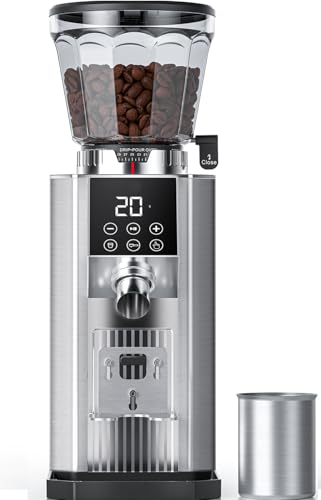
COFIBREWS Burr Coffee Bean Grinder for Home Use with 45 Precise Grinding Settings, Espresso Grinder with Height Adjustable Funnel Stand, LED Touch Panel
[Design for Espresso]:Our height-adjustable portafilter holder fits 90% of coffee funnels on the market, suit your every need...
As an affiliate, we earn on qualifying purchases.
Conclusion
By mastering SEO basics, you can boost your blog’s visibility and attract more visitors. Imagine launching a small online store and optimizing your product pages; within months, your traffic doubles, and sales increase. Just like that store, applying simple SEO strategies can transform your online presence. Start implementing these tips today, and watch your audience grow—because the right SEO approach makes all the difference in turning visitors into loyal customers.

Amazon Basics Fast Electric Coffee Grinder for Home Use, Easy to Use Coffee Bean and Spice Grinder with Heavy-Duty Stainless Steel Grind Blades
Electric coffee bean grinder appliance for home use
As an affiliate, we earn on qualifying purchases.

Baratza Encore ESP Coffee Grinder ZCG495BLK, Black
SPECIALTY COFFEE ASSOCIATION AWARD-WINNING GRINDERS - Baratza grinders are preferred by coffee professionals and tops the list of...
As an affiliate, we earn on qualifying purchases.