

Understanding the difference between being frugal and cheap helps you find the right balance for smarter spending. Frugal individuals focus on long-term value, quality, and resourcefulness, even if it costs a bit more upfront. Cheapness, on the other hand, emphasizes the lowest price, often sacrificing quality and durability, which can lead to higher expenses later. To make better financial choices, consider adopting a frugal mindset while avoiding the pitfalls of being overly cheap—you’ll discover how to choose wisely as you continue.
Key Takeaways
- Prioritize long-term value and quality over just the lowest price to avoid frequent replacements and higher costs.
- Focus on resourcefulness by seeking discounts, coupons, and researching options to maximize savings wisely.
- Balance spending by investing in durable, quality items that enhance satisfaction and longevity.
- Avoid scarcity mentality; make confident decisions aligned with your financial goals and personal needs.
- Recognize that strategic spending fosters financial security, whereas cheapness may lead to higher overall expenses.

Have you ever wondered what truly separates being frugal from being cheap? It’s a subtle but important difference that can greatly impact your financial well-being and overall happiness. When you’re frugal, you make deliberate choices to maximize value and avoid waste. You focus on quality and long-term benefits, understanding that investing a little more upfront can save you money later. Being cheap, on the other hand, means zeroing in on the lowest price without considering quality or future costs. It’s a reactionary approach driven by fear or scarcity, often leading to sacrifices that hurt your finances and satisfaction.
Your mindset plays an essential role in distinguishing these behaviors. Frugality empowers you by giving you control over your spending. It’s about saying, “I choose” to allocate resources thoughtfully, aligning your purchases with your goals. This mindset fosters confidence and a positive relationship with money. Conversely, being cheap stems from a scarcity mentality—thinking, “I can’t afford” or “I shouldn’t spend,” which can create feelings of deprivation and frustration. This attitude may cause you to miss opportunities or settle for subpar options just to save a few dollars in the moment.
A positive money mindset empowers thoughtful choices; scarcity mentality fosters frustration and missed opportunities.
When you evaluate purchases with a long-term perspective, the difference becomes even clearer. Frugal individuals look at the total lifetime cost, considering durability, energy efficiency, and future savings. They’re willing to spend more upfront if it means better quality and fewer replacements, ultimately building wealth through smarter spending. Cheap choices focus solely on immediate price, ignoring the costs of poor quality, which often leads to frequent replacements and higher expenses over time. This short-sighted view can drain your resources, trapping you in a cycle of constantly fixing or replacing low-quality items. Recognizing the importance of long-term value can help shift your mindset from short-term saving to sustainable financial health.
The impact on quality and experience is also telling. Frugal buyers prioritize quality to ensure satisfaction and longevity, sometimes paying more initially but gaining better value overall. Cheap purchases tend to compromise on quality, resulting in dissatisfaction, inconvenience, and wasted money. Frugality isn’t just about saving—it’s about enhancing your life experience while managing expenses wisely. Resourcefulness is another key trait. Frugal people actively seek discounts, use coupons, or leverage rewards to optimize spending. They research and plan carefully, making informed decisions that maximize value. Being cheap often means avoiding any expenditure, even when small costs could lead to substantial savings or benefits, limiting your ability to capitalize on opportunities.
In addition, understanding the long-term costs associated with cheapness can help you make smarter financial decisions. Being cheap often results in higher cumulative expenses due to frequent replacements and repairs, which ultimately erodes savings and hampers wealth building. This perspective encourages a more balanced approach—investing in quality when it aligns with your financial goals. In the end, your financial health depends on balancing these approaches. Frugality fosters security and wealth accumulation through intentional, strategic spending, while cheapness can drain resources by prioritizing short-term savings at the expense of long-term gains. To find the right balance, focus on making wise choices that prioritize quality, value, and your goals. This way, you’ll enjoy the benefits of both saving money and investing in a better future.

Markeny 5 Pack Mover Tool Set Furniture Lifter Durable Heavy Appliance Furniture Lifting 360 Degree Rotatable Pads, 1 Lifting Rod and 4 Furniture Moving Rollers(Red)
Quality Material: Made by durable steel and PVC plastic
As an affiliate, we earn on qualifying purchases.
As an affiliate, we earn on qualifying purchases.
Frequently Asked Questions
How Can I Identify When Being Frugal Becomes Excessive?
You can tell you’re being excessive when you start sacrificing quality, safety, or essential needs just to save money. If you constantly avoid spending on items or experiences that genuinely improve your life or well-being, it’s a sign you’re crossing the line. Pay attention to how your choices affect your happiness and health. Striking a balance means knowing when to save and when to invest in what truly matters.
What Are Common Signs of Cheapness That Hurt Relationships?
Think of cheapness as a tight-fisted grip that squeezes joy and trust out of your relationships. You might notice it when you refuse to share costs, dismiss others’ needs, or avoid celebrations altogether. These actions feel like a cold wind blowing through warm connections, making friends or loved ones feel unvalued. When your actions create distance or discomfort, it’s a sign your cheapness is damaging bonds.
How Does Frugality Impact Long-Term Financial Growth?
Your frugality can positively impact your long-term financial growth by helping you save consistently and avoid unnecessary expenses. By making mindful spending choices, you build a solid financial foundation that allows investments and savings to grow over time. However, if you’re too stingy, you might miss opportunities for worthwhile investments or experiences that could enhance your future wealth and happiness. Finding a balance guarantees growth without sacrificing quality of life.
Can Being Frugal Compromise Quality and Safety?
Being frugal doesn’t have to compromise quality or safety. You can prioritize spending wisely by researching products, reading reviews, and choosing reputable brands. It’s about finding value rather than just saving money, so you guarantee that your purchases meet safety standards and durability. By being mindful and informed, you maintain high standards without overspending, allowing you to enjoy the benefits of frugality without sacrificing quality or safety.
What Mindset Shifts Help Balance Frugality and Spending?
Think of your mindset as a tightrope walker balancing between saving and spending. To find harmony, shift from viewing money as a restriction to seeing it as a tool for value and security. Focus on priorities, set clear goals, and recognize that spending wisely isn’t about deprivation but about investing in what truly matters. Embrace flexibility, learn to differentiate needs from wants, and remind yourself that smart spending supports your overall well-being.

CAROTE 26PCS Pots and Pans Set Non Stick, Cookware Set Pots and Pans Induction Cook Ware, Nonstick Kitchen Cooking, PFOA Free
Set Includes: 8'' fry pan, 9.5'' fry pan, 11'' fry pan, 2-qt saucepan with lid, 2.5-qt stockpot with…
As an affiliate, we earn on qualifying purchases.
As an affiliate, we earn on qualifying purchases.
Conclusion
Ultimately, finding the right balance between frugal and cheap is like walking a tightrope—you want to save without sacrificing quality. Being frugal means you’re a savvy navigator, steering clear of waste, while being cheap can lead you into the stormy waters of regret. Aim to be wisely frugal, not blindly cheap, so your wallet stays full and your life stays rich. Keep your choices as balanced as a tightrope walker—steady, mindful, and confident.

evelor 6-Pack A19 LED Light Bulbs,60 Watt Equivalent Daylight 5000K with E26 Base,Efficient 9W,800 Lumens Non-Dimmable LED Bulbs,15000 Hours, Ideal for Bedroom Living Room
【Energy Efficiency】: EVELOR A19 LED light bulb is an energy-saving 9W (60W equivalent) bulb, saving up to 90%…
As an affiliate, we earn on qualifying purchases.
As an affiliate, we earn on qualifying purchases.
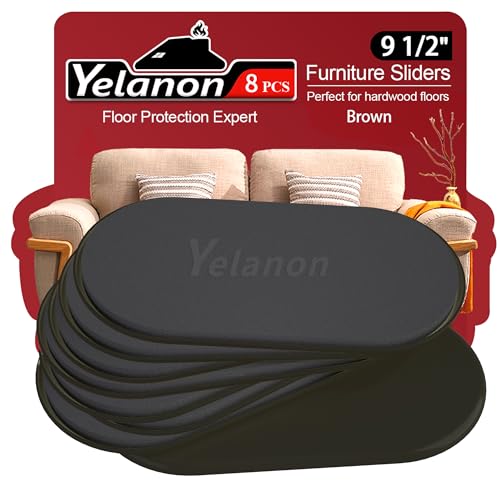
Yelanon Furniture Sliders – 8 Pcs 9.5" Floor Protectors for Furniture – Long-Lasting Furniture Movers Sliders – Easy Furniture Moving (Black)
8-Piece Large Set – This 9.5" round heavy-duty slider kit makes moving bulky items simple and safe, protecting…
As an affiliate, we earn on qualifying purchases.
As an affiliate, we earn on qualifying purchases.