
Watch out for signs like your partner avoiding financial talks, hiding debts or bank accounts, or behaving irresponsibly with money. Be wary if they control financial decisions or make impulsive purchases without sharing. Differences in financial values or ongoing financial stress can also cause tension. These red flags may indicate dishonesty or poor money management, which can undermine trust and stability. To protect your relationship, stay alert to these warning signs and uncover what’s beneath the surface.
Key Takeaways
- Avoidance of financial discussions and secrecy about debts or bank accounts raise concerns.
- Out-of-control spending and impulsive purchases indicate poor financial management.
- Hidden income, unexplained expenses, or secret accounts suggest financial dishonesty.
- Refusal to share decision-making or controlling behaviors create distrust around finances.
- Conflicting financial priorities and ignoring shared goals can lead to relationship strain.

Have you ever wondered if your partner’s financial habits might be a warning sign? It’s a question many people overlook until issues start to pile up. Recognizing red flags early can save you from future heartbreak and financial stress. One of the most common red flags is their reluctance to talk about money. If your partner avoids discussing finances altogether, it’s a sign they might be hiding something or simply aren’t comfortable being transparent. This lack of openness often leads to mistrust and creates a barrier that’s hard to break down later on.
Is your partner hesitant to discuss finances? It could be a warning sign worth paying attention to.
Another warning sign is out-of-control spending. If your partner regularly spends beyond their means, maxes out credit cards, or lives paycheck to paycheck, it indicates poor financial management. Such habits can quickly spiral into debt, putting both of you at risk. Overindulgence in expensive hobbies or impulsive purchases without regard for a budget can also point to a lack of discipline. When your partner criticizes your spending choices but displays irresponsible habits themselves, it’s a contradiction that can breed resentment.
Financial dishonesty is equally concerning. Concealing debts, hiding side incomes, or failing to disclose bad credit histories are serious red flags. These actions suggest they’re not being truthful about their financial situation, which can jeopardize trust in your relationship. Discovering secret bank accounts or unexplainable expenses only adds to the suspicion and can cause significant conflict. Recognizing financial transparency as a core value can help identify potential issues early on.
Financial opaqueness extends beyond dishonesty. When your partner refuses to be transparent about earnings or financial obligations, it creates an environment of distrust. Controlling financial decisions without your input can also be a warning sign of dominance and imbalance, leading to resentment over time. This lack of transparency and control can make it difficult to plan a future together, especially when long-term goals, like saving for a house or retirement, are involved.
Differences in financial values and goals often cause friction. If one of you prioritizes saving and the other prefers spending freely, conflicts are likely. Failing to align on financial planning or ignoring shared goals can threaten the relationship’s stability. Additionally, financial stress or debt can place a strain on your relationship, affecting emotional well-being and mutual trust. Recognizing these differences early allows for honest conversations and helps build a foundation of mutual understanding and respect.

Financial Infidelity: A Guide to Healing Betrayal and Rebuilding Trust
As an affiliate, we earn on qualifying purchases.
As an affiliate, we earn on qualifying purchases.
Frequently Asked Questions
How Can I Discuss Finances Without Causing Conflict?
You can discuss finances without causing conflict by choosing a calm moment and using “I” statements to express your feelings. Be honest about your concerns and listen actively to your partner’s perspective. Keep the tone respectful and avoid blame. Focus on working together toward shared goals, and set clear boundaries. Remember, open communication builds trust, making financial discussions more productive and less stressful.
When Should I Be Concerned About Hidden Debts?
You should be concerned about hidden debts if your partner avoids transparency or becomes defensive when discussing finances, as it’s like a red flag waving in the wind. Keep an eye out for unexplained expenses, reluctance to share statements, or inconsistent stories about their financial situation. Trust your instincts—if something feels off, it’s worth digging deeper before committing fully. Open communication can unearth these issues early, saving you from future surprises.
What Are Signs of Financial Irresponsibility in a Partner?
You should be concerned if your partner consistently overspends, avoids discussing money, or racks up debt without a plan to pay it off. Notice if they neglect budgeting, ignore bills, or frequently borrow money without repaying. Their lack of financial responsibility might also show in impulsive spending or hiding expenses. These signs indicate they might not manage money well, which could cause issues in your shared financial future.
How Do I Approach Budgeting as a Couple?
You should start by having an open, honest conversation about your financial goals and habits. Set a budget together that includes savings, expenses, and discretionary spending, then agree on how you’ll track it. Make regular check-ins to discuss progress and adjust as needed. Being transparent and collaborative helps build trust and guarantees you’re both on the same page, making budgeting a team effort rather than a chore.
What Steps Should I Take if I Suspect Financial Infidelity?
Think of uncovering financial infidelity as steering a foggy road—you need clarity. First, gather evidence calmly without jumping to conclusions. Talk openly with your partner, expressing your concerns without accusations. Consider consulting a financial advisor or counselor for guidance. Trust your instincts, but also seek transparency. Taking these steps helps clear the fog, so you can decide your next move with confidence and understanding.

Mastering Expense Tracking and Budgeting Apps: Automated Tracking and Financial Planning
As an affiliate, we earn on qualifying purchases.
As an affiliate, we earn on qualifying purchases.
Conclusion
Keep a watchful eye on these red flags, like storm clouds gathering on your financial horizon. Ignoring small warning signs can lead to a thunderstorm of debt and mistrust. Trust your instincts and communicate openly, so you don’t get caught in a sudden downpour of surprises. Staying aware now helps you navigate the relationship’s financial landscape with confidence, ensuring your shared journey remains smooth and secure, even when dark clouds gather.
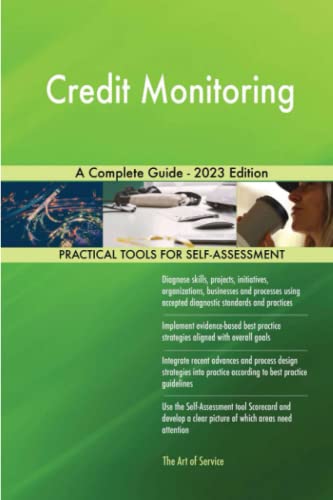
Credit Monitoring A Complete Guide – 2023 Edition
As an affiliate, we earn on qualifying purchases.
As an affiliate, we earn on qualifying purchases.

Money for Couples: No More Stress. No More Fights. Just a 10-Step Plan to Create Your Rich Life Together.
As an affiliate, we earn on qualifying purchases.
As an affiliate, we earn on qualifying purchases.