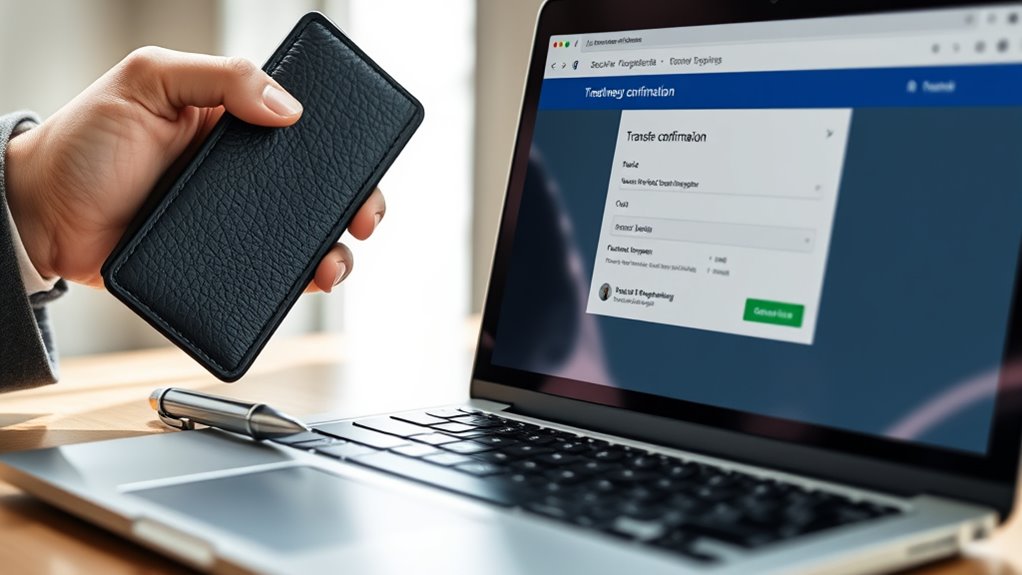

When transferring money for an overseas property, choose a method that balances speed, cost, and security. Traditional banks are reliable but can be slow and expensive, while platforms like Wise or currency brokers often provide faster, cheaper options with better exchange rates. verify your funds are protected in regulated accounts and compare all fees and rates carefully. To find more tips on making efficient, secure transfers for your property purchase, keep exploring your options.
Key Takeaways
- Compare transfer providers for better exchange rates and lower fees to reduce overall costs.
- Use currency brokers for large sums to secure personalized rates and avoid hidden charges.
- Ensure funds are transferred securely via regulated providers with segregated accounts.
- Schedule automated payments for recurring property expenses like taxes and maintenance.
- Be aware of transfer times and potential delays, choosing faster methods for time-sensitive transactions.
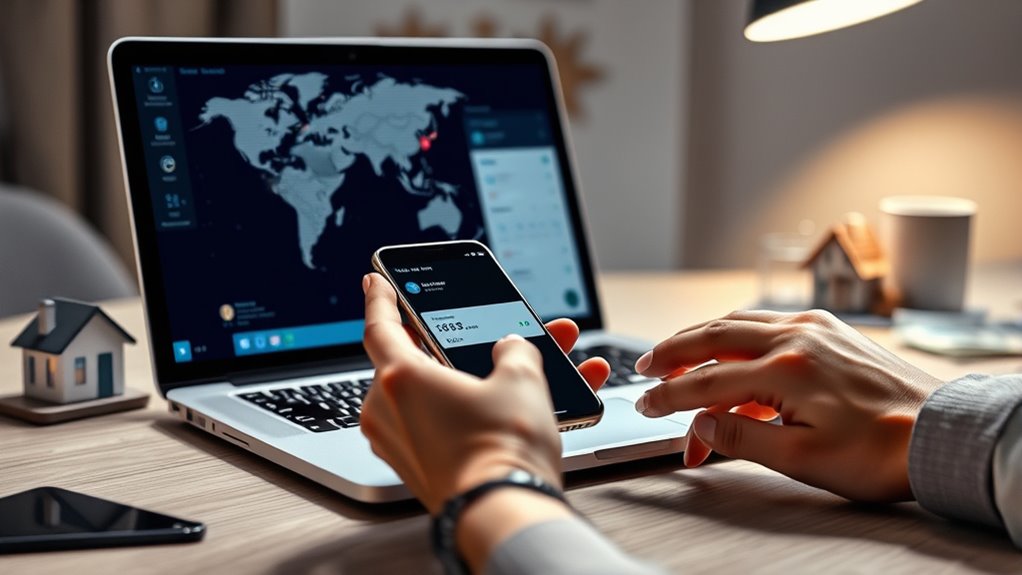
Thinking about buying property abroad? When you’re transferring large sums of money internationally, the method you choose can make a big difference regarding speed, cost, and security. Traditionally, banks have been the go-to option because they offer secure and reliable transactions. However, they tend to be slow and expensive, often charging high fees and offering unfavorable exchange rates. This can considerably increase your costs and delay the process, especially if you’re dealing with a tight timeline.
Luckily, there are alternatives that can make your property purchase smoother. Specialized providers like Wise and Xe provide faster transfers at a lower cost. These online platforms are designed for efficiency, often completing transfers in less than 24 hours, and they typically offer more competitive exchange rates than banks. It’s worth comparing their rates and fees to ensure you’re getting the best deal. Currency brokers are another excellent option. They offer personalized service, better exchange rates, and lower fees—particularly advantageous for large transactions. Their expertise helps you navigate complex currency markets and avoid hidden costs.
Managing large sums requires careful planning to minimize expenses and avoid surprises. You should always consider the total cost, including transfer fees, exchange rate margins, and potential bank charges on the receiving end. Many banks and brokers apply margins to exchange rates, which can add to your costs. Some providers charge flat fees, while others take a percentage of the transfer amount, so it’s important to compare options. Additionally, be aware that receiving banks may impose their own charges, which can be unexpectedly expensive.
Security is paramount when transferring significant sums. Ensure your funds are held in secure, segregated accounts and that your provider is properly regulated. Transparency in rates and fees helps you avoid surprises, so look for services that clearly outline their costs upfront. Customer support, especially dedicated account managers, can help guide you through the process and answer any questions. Choosing a reputable provider with a strong reputation for security and transparency reduces risk and offers peace of mind.
Beyond the initial purchase, property ownership often involves recurring expenses such as taxes and maintenance fees. Many transfer services allow you to set up automated or scheduled payments, making ongoing costs easier to manage. This automation ensures you stay on top of payments, reducing hassle and avoiding late fees. Some providers even offer dedicated support for recurring transactions, simplifying your ongoing financial management. Ensuring your payments are timely and accurate is essential for maintaining good standing with local authorities and service providers. Additionally, understanding regulatory compliance requirements can help prevent delays or legal issues during your transfer process.
Frequently Asked Questions
What Are the Best Methods for Transferring Large Sums Internationally?
You should consider using wire transfers through your bank or specialized international transfer services like Wise or Revolut. These methods offer secure, relatively quick, and transparent options for sending large sums. Compare exchange rates and fees beforehand to save money. For very large amounts, consult with your bank about bulk transfer options or currency hedging strategies to minimize risks and guarantee smooth transactions.
How Can I Avoid Currency Conversion Fees During Transfer?
You can avoid currency conversion fees by using a specialist foreign exchange provider or a bank that offers fee-free currency exchanges. Consider locking in a rate with a forward contract if you know the exact transfer date, or open a multi-currency account to hold funds in the desired currency. Always compare providers, and avoid using standard bank transfers, which often charge high conversion fees.
Are There Restrictions on Transferring Funds to Certain Countries?
Yes, you might face restrictions when transferring funds to certain countries. Some nations have sanctions, embargoes, or strict currency controls that limit or prohibit transfers. Always check with your bank or financial institution beforehand, and review your country’s regulations. You could also consult international financial guidelines to guarantee compliance. Planning ahead helps you avoid delays or legal issues, making your transfer smoother and more secure.
How Long Does an International Property Transfer Typically Take?
Time, like a river, flows uniquely with each international transfer. Typically, it takes anywhere from 3 to 10 business days, depending on factors like the countries involved, banking processes, and currency conversions. You might face delays if documents are incomplete or if the transaction attracts regulatory scrutiny. Staying proactive and working closely with your bank can help streamline the process, ensuring your dream property isn’t just imagined but soon yours.
What Documentation Is Required for International Money Transfers?
You’ll need your passport or ID, proof of the source of funds, and the recipient’s bank details. Many banks also require a completed transfer form and possibly a reason for the transfer. Sometimes, additional documents like a property purchase agreement or a tax ID are needed. Make sure to verify with your bank beforehand to ensure you have everything ready, so the process goes smoothly.
Conclusion
Transferring money for an overseas property can feel overwhelming, but with the right preparation, it’s manageable. Did you know that over 60% of international property buyers face delays due to currency transfer issues? Being informed about regulations, choosing the right transfer method, and planning ahead can save you time and money. Stay proactive, double-check all details, and you’ll soon enjoy your new property abroad without unnecessary stress.