

Many U.S. expats forget to properly establish or update their residency before moving abroad, which can lead to unexpected state tax liabilities and legal issues. If you don’t change your address, update your driver’s license, or sever ties to your previous state, you may still be considered a resident there. This can trigger taxes and complications you don’t want. Staying aware of these pitfalls and taking the right steps can help you avoid costly mistakes—discover how to protect yourself.

Get smart everyday buys delivered free with Prime
- Fast, free delivery on millions of items
- Prime Video, Amazon Music and more included
- Member-only deals all year
Key Takeaways
- Failing to update or cancel state residency ties like driver’s licenses and property ownership can cause U.S. expats to be classified as residents.
- Maintaining ties such as voting registration or mailing addresses in the U.S. may lead to unintended tax obligations.
- Not changing residency status before moving abroad can result in state tax liabilities and legal complications.
- Inadequate documentation of domicile change increases risk of audits and disputes over residency status.
- Consulting professionals and properly documenting the move helps avoid costly residency-related legal and tax issues.
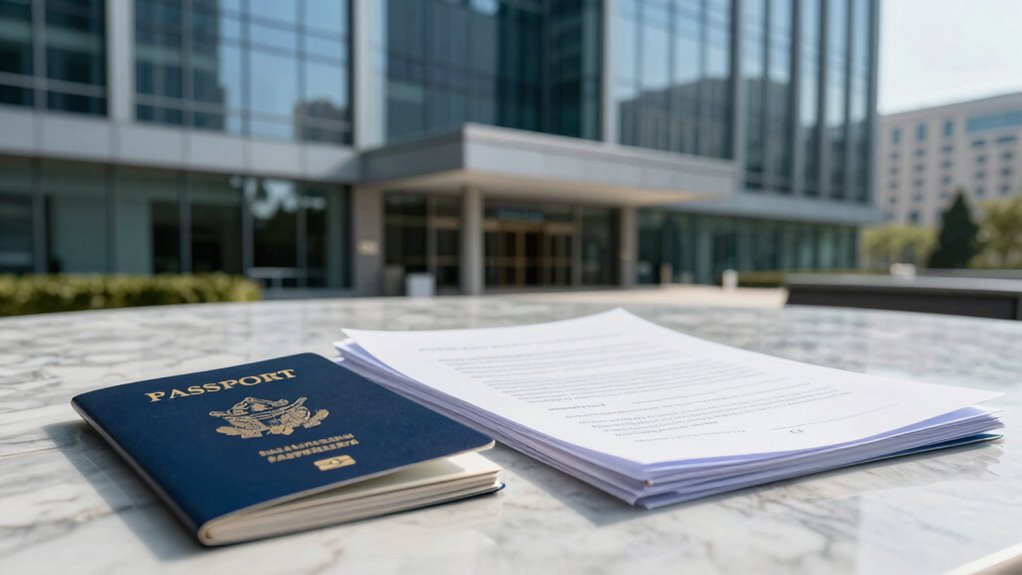
Many U.S. expats make a costly mistake by neglecting to carefully establish and maintain their state residency status before moving abroad. This oversight can lead to significant complications, especially when it comes to tax implications and legal residency. When you leave the U.S., you might assume that your state residency no longer matters, but the reality is more complex. Your state of legal residency determines your tax obligations, and failing to establish clear residency can trap you in unexpected liabilities or legal issues.
Neglecting to establish clear residency before moving abroad can lead to unexpected tax liabilities and legal complications.
If you don’t take steps to establish a new residency or properly sever ties with your previous state, you risk being classified as a resident for tax purposes. Some states are aggressive in asserting residency, especially if they view your departure as temporary or if you maintain ties like property or a driver’s license. These factors can cause your former state to claim you’re still a resident, subjecting you to state income taxes, even while living abroad. This situation becomes especially problematic if you’re unaware of the rules or don’t take proactive measures to clarify your legal residency status.
Understanding the tax implications requires you to contemplate how your state defines residency. Many states have specific criteria, such as where you spend most of your time, where you own property, or where you hold a driver’s license. If you overlook to update these details, you might unintentionally maintain residency. That means you could be liable for state taxes, even if you no longer physically reside there, which complicates your foreign income reporting and could trigger audits or penalties. Properly establishing residency involves understanding these rules and taking deliberate actions to demonstrate your new domicile. Being aware of the state residency rules is essential in avoiding inadvertent tax obligations. Additionally, knowing how state laws interpret and enforce residency can help you better plan your move and avoid legal pitfalls.
Establishing your legal residency abroad involves more than just leaving the state; it requires a deliberate effort to cut ties with your previous state and create a new domicile. This might include changing your mailing address, obtaining a driver’s license in your new country, registering to vote elsewhere, or even closing bank accounts tied to your former state. The importance of record keeping cannot be overstated, as maintaining proper documentation can be crucial in case of future disputes or audits. The goal is to demonstrate to tax authorities that your true domicile has shifted and you no longer owe state taxes in your former state. Additionally, consulting with financial professionals experienced in Gold IRA markets can help you plan your move to minimize tax liabilities and ensure compliance with all relevant regulations.
Failing to address your residency status before moving can also impact your ability to claim certain benefits or protections, and it might lead to legal disputes down the line. To avoid these pitfalls, you need to ponder your previous state’s residency rules, take concrete steps to establish a new legal residency, and keep good records. Being proactive helps ensure you’re compliant with tax laws, avoiding costly surprises and ensuring your move abroad is smooth and stress-free.
U.S. expat residency documentation kit
As an affiliate, we earn on qualifying purchases.
As an affiliate, we earn on qualifying purchases.
Frequently Asked Questions
How Does the IRS Determine U.S. Residency Status Abroad?
The IRS determines your U.S. residency status abroad mainly through the Substantial Presence Test, considering your days in the U.S. over three years. Tax treaties can affect this, offering exemptions or different rules. Be aware of potential residency audits, which scrutinize your travel records. If you meet the criteria, you’re considered a U.S. resident for tax purposes, making you liable for worldwide income and requiring proper reporting.
Can Expats Maintain Multiple State Residencies Simultaneously?
Can you truly wear two hats at once? When it comes to dual residency, you might think so, but the IRS looks at your true state domicile—the place you consider your permanent home. While you can maintain connections with multiple states, establishing tax obligations and residency status usually means choosing one primary domicile. Trying to claim multiple residencies can lead to complications, so clarify your true state domicile to avoid pitfalls.
What Are Common Mistakes in Establishing State Residency?
You often make mistakes in establishing your state residency by not clearly defining your state domicile or neglecting proper residency documentation. Failing to update your driver’s license, voter registration, or address can signal inconsistent residency. Remember, your state domicile is where you intend to make your permanent home, so guarantee your documentation reflects this commitment. Overlooking these details can lead to tax issues or legal complications down the line.
How Does Residency Status Affect Foreign Income Reporting?
Your residency status directly impacts how you report foreign income; if you’re considered a resident, you might face double taxation despite tax treaties. If you’re a non-resident, you generally only report U.S.-sourced income. Misjudging your residency status can lead to costly errors, especially when managing complex rules on foreign income and tax treaties designed to prevent double taxation. Stay informed to avoid unnecessary penalties and optimize your tax obligations.
Are There Legal Ways to Change State Residency After a Mistake?
Yes, you can legally change your state residency by following proper legal procedures, such as establishing a new domicile, updating your driver’s license, and registering to vote in the new state. Be aware that this change can impact your tax implications, so it’s wise to consult a tax professional. Proper documentation and consistent actions are essential to guarantee your new residency status is recognized legally and avoid future complications.
As an affiliate, we earn on qualifying purchases.
Conclusion
So, next time you think about ditching your U.S. residency, remember—it’s not just a simple paperwork shuffle. Ignoring the rules might save you a headache now, but Uncle Sam’s watchful eye isn’t easily fooled. Keep your ducks in a row, or you might find yourself unexpectedly funding a government vacation fund. Trust me, avoiding the residency trap is a lot less stressful than trying to explain to the IRS why your absence wasn’t an exit, but a cleverly disguised staycation.
As an affiliate, we earn on qualifying purchases.
driver's license replacement for expats
As an affiliate, we earn on qualifying purchases.
As an affiliate, we earn on qualifying purchases.
Halloween Picks
halloween
As an affiliate, we earn on qualifying purchases.