
When managing bills and finances during long-term travel, stay organized with digital banking and budgeting apps to track expenses in real time. Set up automatic payments for recurring bills to avoid late fees, and use international-friendly credit cards to minimize fees. Keep an eye on currency exchange rates and plan for unexpected costs with digital wallets and insurance. If you keep these tips in mind, you’ll find it easier to stay financially stable abroad—more helpful insights await if you continue.
Key Takeaways
- Set up automatic payments for bills to avoid missed deadlines while abroad.
- Use digital banking and online platforms to manage finances across borders easily.
- Track expenses with budgeting apps to monitor spending and stay within your budget.
- Leverage credit card rewards and travel insurance for cost savings and financial security.
- Maintain multiple income streams or remote work arrangements to ensure steady cash flow during extended travel.
Have you ever wondered how long-term travel is evolving in today’s world? As more people embrace extended trips, managing bills and finances back home becomes increasingly important. Thanks to advancements in technology and changing travel habits, you now have more tools than ever to keep your finances in check while exploring new destinations. With the rise of remote work, longer stays are common, giving you the chance to balance work and adventure. This shift means you need to plan carefully to ensure your financial stability doesn’t suffer, even as you enjoy your travels.
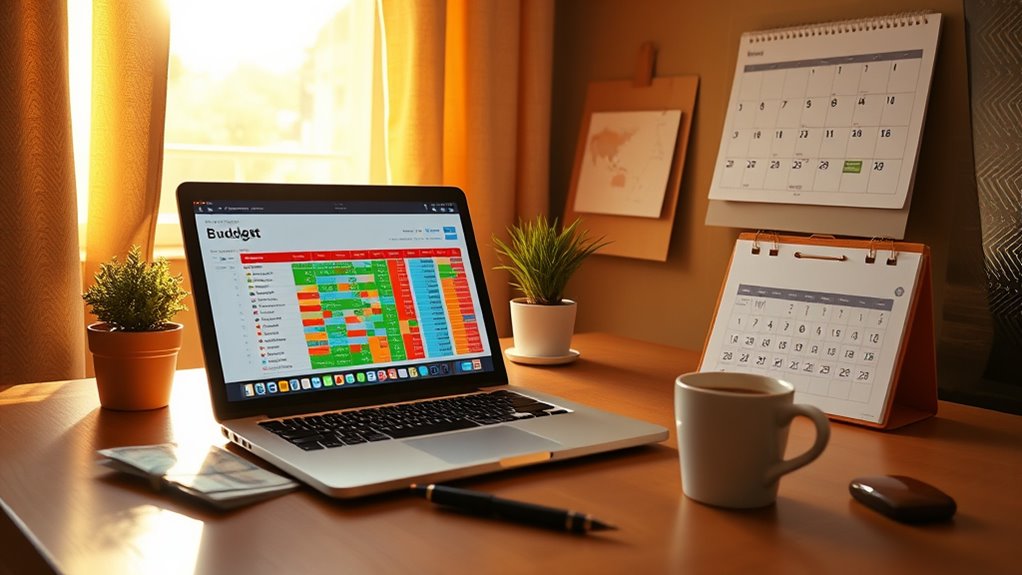
One key aspect is budgeting for your trip, which has become more critical due to inflation and rising costs. Many travelers now opt for budget accommodations like private rentals or staying with friends to cut expenses. Using travel apps and AI-powered planning tools can help you estimate costs, compare options, and stick to your budget. These tools often integrate expense tracking features, so you can monitor your spending in real time. Credit cards with rewards and travel insurance also make it easier to manage costs and protect yourself during your journey. By leveraging these financial benefits, you can enjoy your trip without worrying about unforeseen expenses.
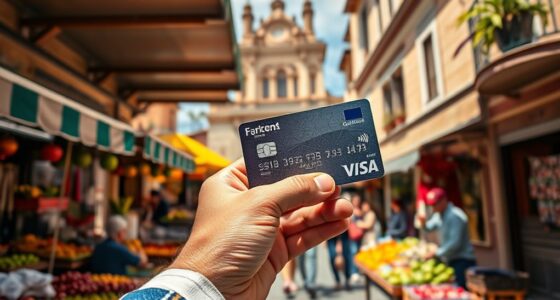
Since remote work is a major component of long-term travel, you can generate income while abroad, easing financial pressures. Using remote work tools like Zoom and Slack, you stay connected with your employer or clients, making it possible to maintain your income stream. This flexibility allows you to extend your stay, choose affordable destinations, and enjoy a more immersive experience. Additionally, digital payment systems like contactless cards and digital wallets simplify transactions, whether you’re paying for a meal, booking accommodation, or splitting expenses with travel companions. The rise of digital banking has further streamlined managing your finances across borders. Moreover, understanding financial management concepts like currency exchange and international fees can help you avoid unexpected costs and optimize your spending.
Remote work tools and digital payments make managing finances easy during long-term travel.
Planning your finances also involves managing recurring bills such as insurance, subscriptions, and utilities. Setting up automatic payments ensures these are handled on time, preventing late fees or service interruptions. Many travelers now use budgeting apps to track their expenses across multiple categories, helping them avoid overspending. Having multiple income streams can also provide extra security, especially if your primary source of income is tied to remote work.
digital banking app for travelers
As an affiliate, we earn on qualifying purchases.
As an affiliate, we earn on qualifying purchases.
Frequently Asked Questions
How Can I Set up Automatic Bill Payments From Abroad?
You can set up automatic bill payments from abroad by logging into your bank or bill provider’s online platform. Link your account to your bills, then choose automatic payments and set your preferred schedule. Confirm your bank allows international access, and consider using a reliable VPN for security. Double-check that your account details are current to avoid missed payments, and notify your bank about your travels to prevent fraud alerts.
What Should I Do if I Encounter Currency Exchange Issues?
If you encounter currency exchange issues, first contact your bank or card provider to understand their rates and fees. Consider using a multi-currency account or a travel-friendly credit card with no foreign transaction fees. Keep an eye on exchange rates and plan your transactions when rates are favorable. Also, consider withdrawing cash in larger amounts to minimize multiple exchange fees and make sure you have enough local currency during your trip.
How to Handle Emergency Expenses While Overseas?
You should always have an emergency fund tucked away before you travel. In a pinch, use a credit card with no foreign transaction fees or withdraw cash from local ATMs, but be mindful of fees. Contact your bank immediately if you encounter issues or suspect fraud. Keep digital copies of important documents and emergency contacts. Staying prepared guarantees you’re ready to handle unexpected expenses smoothly and confidently abroad.
Are There Specific Banking Options for Long-Term Travelers?
Yes, you should consider opening a global or international bank account, like those offered by Wise or Revolut, designed for travelers. These accounts often come with low or no foreign transaction fees and allow you to hold multiple currencies. You can also use local bank accounts in your destination country if you plan to stay long-term. Be sure to compare fees, ATM access, and online banking features to find the best fit for your needs.
How Can I Keep Track of My Expenses Internationally?
Imagine you’re backpacking through Southeast Asia when you realize you’ve overspent on a night out. To avoid this, use budgeting apps like Mint or Trail Wallet, which sync with your bank accounts and credit cards. Set spending limits, categorize expenses, and review reports regularly. This way, you stay aware of your finances, prevent overspending, and enjoy your travels without financial stress.

Flights on Points, Nights on Rewards: Unlocking Travel with Credit Card Rewards: A Beginner’s Guide to Travel Using Points and Miles
As an affiliate, we earn on qualifying purchases.
As an affiliate, we earn on qualifying purchases.
Conclusion
As you navigate your journey, remember that managing bills and finances is the steady lighthouse guiding you safely home. Your money, like a sailboat on open waters, requires careful steering and attention to keep you afloat amid the tides of change. Embrace these routines as your compass, ensuring you stay on course. With each responsible step, you weave a tapestry of stability, turning your travel odyssey into a voyage of growth and self-discovery.

PONNOR AL-135 Counterfeit Bill Detector Money Checker Machine Automatic 4-Way Orientation & Pass/Fail Indicator Portable Fake Currency Reader with UV, Magnetic, Infrared
【EASY TO USE】Ultra-clear √/× display instantly shows genuine (√) or fake (×) bills, making verification faster and simpler…
As an affiliate, we earn on qualifying purchases.
As an affiliate, we earn on qualifying purchases.

Passport Holder for Travel Essentials, RFID Blocking Protector Passport Wallets, Passport Document Organizer Case for Travel Must Have, Passport Book for Women, Couple, Family Cards, Tickets, ID, Cash
【All-in-One Travel Organizer】Our passport holder features 10+ specialized compartments: 5 cards pockets, 1 transparent passport pockets, 2 side…
As an affiliate, we earn on qualifying purchases.
As an affiliate, we earn on qualifying purchases.