

To protect your money from currency risk, consider using hedging strategies like FX forwards, options, or swaps that lock in rates or provide flexible protection. Natural hedging by matching your revenues and expenses in the same currency can also reduce exposure. Diversifying your investments across different currencies helps minimize concentration risk. Monitoring exchange rate movements regularly allows you to adjust your approach promptly. If you want to learn more about effective ways to safeguard your finances from currency fluctuations, keep exploring the options available.
Key Takeaways
- Use currency hedging instruments like forwards, options, or swaps to lock in exchange rates and reduce uncertainty.
- Diversify investments across multiple currencies and regions to minimize exposure to any single currency’s fluctuations.
- Match revenue and expenses in the same currency to naturally hedge against currency risk.
- Monitor exchange rate trends regularly to anticipate and respond to potential currency movements.
- Develop a comprehensive currency risk management strategy aligned with your financial goals and market conditions.

If you deal with international markets, understanding currency risk is essential to protect your money. Currency risk, or foreign exchange (FX) risk, refers to the potential for financial loss caused by unpredictable changes in exchange rates. When you engage in cross-border transactions, your profits and investments are exposed to currency fluctuations that can erode value. Even small shifts in exchange rates can markedly impact your revenues, profits, and investment returns. For businesses involved in exporting, importing, or holding foreign assets, currency risk can mean the difference between profit and loss. When transactions are settled later, you face the chance that exchange rates will move unfavorably, increasing your costs or reducing your income. Similarly, if you own assets abroad, changes in currency value can diminish your overall worth. Understanding this risk is essential because currency movements are often unpredictable and can happen suddenly, making it critical to have strategies in place to mitigate potential losses.
There are different types and sources of currency risk you should be aware of. Transaction risk occurs when there’s a delay between agreeing on a foreign currency payment and actually settling it. During this time, exchange rates may fluctuate, impacting how much you ultimately pay or receive. Translation risk comes into play when converting the financial statements of foreign subsidiaries into your home currency, potentially distorting your overall financial picture. Economic risk affects your long-term market position and competitiveness, as persistent currency movements can impact sales and market share. Currency risk can also stem from holding foreign assets or liabilities or operating across multiple currencies, exposing you to market inefficiencies and deviations from parity conditions that influence exchange rates. Geopolitical events and economic policies can also influence currency fluctuation, adding an extra layer of unpredictability to exchange rate movements.
Measuring currency risk accurately is essential for effective management. You can use statistical tools like variance and standard deviation to understand how much exchange rates fluctuate over time. Higher standard deviation indicates greater volatility and risk. Value at Risk (VaR) models are widely used to estimate the worst possible losses within a certain confidence level over a specific period, helping you set risk limits. Alternative measures like average absolute deviation and semivariance can offer a clearer picture of potential losses, enabling better risk assessment. Proper measurement allows you to allocate appropriate capital reserves and develop effective risk controls.
To protect your money, consider employing hedging instruments. FX forwards lock in future exchange rates, giving you certainty about costs or revenues. Currency options provide flexible protection, allowing you to buy or sell currencies at predetermined rates without the obligation to do so. Currency swaps help manage balance sheet and cash flow risks by exchanging principal and interest payments in different currencies. Natural hedging, which involves matching revenues and expenses in the same currency, can minimize your exposure without additional financial instruments. Diversifying your investments and operations across various countries and currencies also reduces concentration risk. By monitoring your currency exposures continuously and aligning your cash flows with your revenue currencies, you can better manage and mitigate currency risk, safeguarding your financial interests in the unpredictable world of international markets.

Currency Hedging And Conversions: The Standard Guide To Hedging In The Foreign Exchange Market: Foreign Exchange Market
As an affiliate, we earn on qualifying purchases.
As an affiliate, we earn on qualifying purchases.
Frequently Asked Questions
How Do Geopolitical Events Influence Currency Risk?
Geopolitical events can cause significant currency risk by creating uncertainty and volatility in the markets. When tensions rise or conflicts occur, investors often withdraw from affected currencies, leading to sharp declines. You might see sudden drops or fluctuations in exchange rates, making your investments more unpredictable. Staying informed about global events and diversifying your currency holdings can help you manage these risks more effectively.
Are There Specific Industries More Vulnerable to Currency Fluctuations?
Think of the currency market as the wild west, where industries like tourism, manufacturing, and export-heavy sectors are more vulnerable to fluctuations. When the dollar plunges or rises sharply, you could see profits shrink or costs skyrocket. If you’re invested or involved in these industries, you need to stay alert and consider hedging strategies. Just as sailors navigate choppy waters, you must steer carefully through currency volatility.
What Are the Tax Implications of Currency Hedging Strategies?
Currency hedging strategies can impact your taxes, as gains or losses from these activities are often considered taxable events. You might need to report them separately, which can complicate your tax filings. Depending on your country’s tax laws, you could face capital gains taxes or deductions. It’s wise to consult a tax professional to understand how these strategies affect your specific situation and guarantee you stay compliant with local regulations.
How Often Should I Review My Currency Risk Management Plan?
You should review your currency risk management plan at least quarterly or whenever there’s a significant change in your business or market conditions. Regular reviews help you identify new risks and adjust your hedging strategies accordingly. Keep an eye on currency fluctuations, economic developments, and geopolitical events that could impact your exposure. Staying proactive guarantees your plan remains effective, helping you protect your money from unpredictable currency movements.
Can Personal Savings Accounts Be Protected From Currency Risk?
No, your personal savings accounts aren’t automatically protected from currency risk. While it’s tempting to think your bank keeps that in check, currency fluctuations can still impact your savings if you hold foreign currency accounts or investments. To shield your money, consider diversifying geographically, using hedging strategies, or choosing accounts in stable currencies. Remember, it’s your wallet’s job to stay safe from currency rollercoasters, not your bank’s.
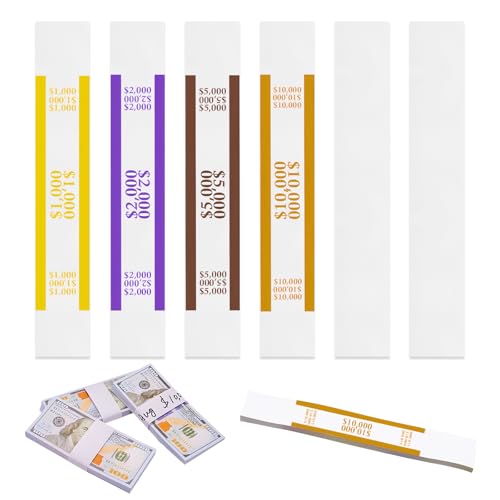
300pcs Currency Straps for Cash Management,4 Colors Self Adhesive Money Wrappers for Bills,Money Band Bill Wrappers for Banks, Businesses, and Home
Reliable Cash Management: Organize and manage cash with ease using these color-coded currency straps marked with denominations. Simplify…
As an affiliate, we earn on qualifying purchases.
As an affiliate, we earn on qualifying purchases.
Conclusion
So, next time you check your investments and notice a sudden shift, remember it’s no coincidence—currency risk is always lurking. Protecting your money takes awareness and smart strategies. Just like how a forgotten currency can unexpectedly grow in value, your efforts to hedge against exchange rate fluctuations can pay off when you least expect it. Stay vigilant, and you’ll find that sometimes, the right move at the right time makes all the difference.

Foreign Exchange Markets (Glenlake Series in Risk Management)
As an affiliate, we earn on qualifying purchases.
As an affiliate, we earn on qualifying purchases.

Global Stock Diversification Guide: How to Build a Resilient Worldwide Portfolio and Reduce Risk Across Regions, Sectors, and Currencies (ETF Powerhouse: Secrets to Mastering Wealth)
As an affiliate, we earn on qualifying purchases.
As an affiliate, we earn on qualifying purchases.