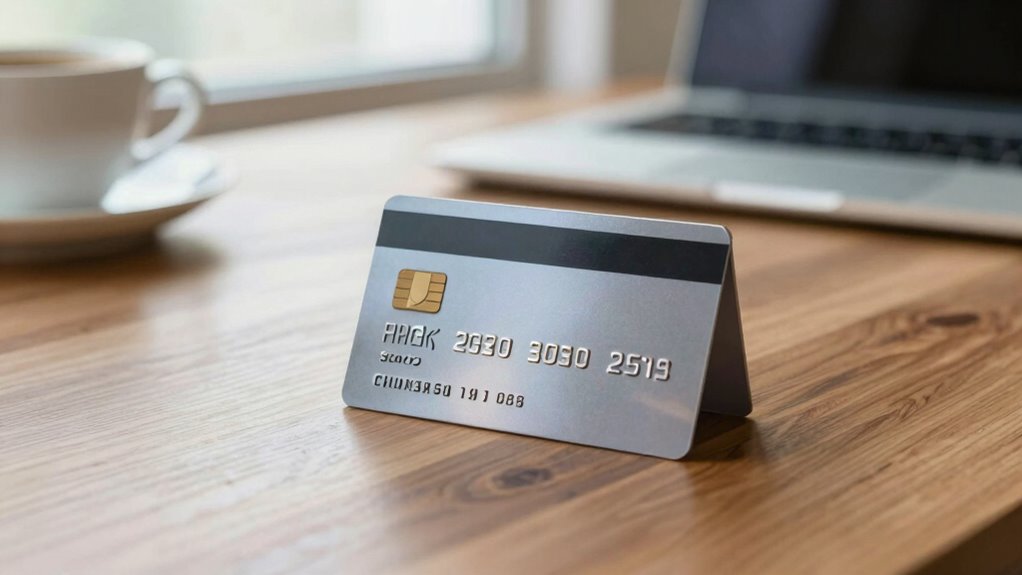

Payroll cards offer a convenient way to access your wages without a traditional bank account, letting you make purchases, withdraw cash, or pay bills easily. However, they can come with various fees for ATM withdrawals, inactivity, and monthly maintenance, which may add up quickly. Security measures help protect your information, but risks remain if you’re not careful. To avoid potential traps, understanding the costs and features is key—there’s more to discover if you keep exploring.
Key Takeaways
- Payroll cards offer convenient access to wages without needing a bank account, but fees for ATM use and inactivity can add up.
- They provide easy spending, cash withdrawal, and bill payments, making them a practical benefit for many users.
- Fees such as ATM charges, maintenance, and inactivity can reduce net pay over time, potentially making them costly.
- Security measures protect personal data, but digital transactions carry risks if PINs or card details are shared or not monitored.
- Comparing provider policies and understanding fee structures are essential to avoid hidden costs and maximize benefits.
Payroll cards offer a convenient way for employees to access their wages without needing a traditional bank account. Instead of waiting for a check or visiting an ATM, your pay gets loaded directly onto the card, allowing you to make purchases, withdraw cash, or pay bills with ease. This setup is especially helpful if you don’t have a bank account or prefer not to use one. However, it’s important to consider the costs and security measures associated with payroll cards before fully embracing them.
One critical aspect to understand is the fee structure. Some payroll card providers charge fees for various transactions, such as ATM withdrawals, balance inquiries, or even monthly maintenance. These fees can add up quickly, reducing your net pay without you realizing it. For example, an ATM withdrawal fee might be $2 or more each time you withdraw cash, and some cards impose inactivity fees if you don’t use the card regularly. It’s essential to review the fee schedule beforehand to determine whether the payroll card will truly save you money or end up costing you more over time. Additionally, understanding the cost implications can help you avoid unexpected charges that diminish your earnings.
Digital security is another vital concern. Since payroll cards are tied to your personal information and financial details, protecting your data is paramount. Most reputable providers implement encryption and other security measures to safeguard your information, but you still need to stay vigilant. Avoid sharing your PIN or card details and monitor your account regularly for unauthorized transactions. If your card is lost or stolen, report it immediately to minimize potential fraud or theft. Security features are crucial in choosing a reliable payroll card provider, as they help protect your sensitive data from theft or misuse. The convenience of payroll cards shouldn’t come at the expense of digital security; always choose a provider with strong security protocols. Being aware of privacy policies can also help you understand how your data is used and shared.
Despite the advantages, payroll cards are not necessarily a free or risk-free solution. Some employees find the fees burdensome, especially if they frequently use ATMs outside the card’s network. Others might worry about the security risks associated with digital transactions and stored personal data. An additional consideration is the importance of understanding microplastics in dust, which highlights broader concerns about environmental and health safety, similar to how digital security measures protect your financial data. It’s worth comparing payroll card options, reading the fine print, and weighing the benefits against potential costs. If your employer offers a payroll card, ask questions about fee structures and security features to make an informed decision. Additionally, understanding how technology security plays a role in protecting your funds can provide more confidence in using these cards. Ultimately, whether payroll cards are a beneficial benefit or a costly trap depends on your individual financial habits and how well you understand the associated fees and security measures.
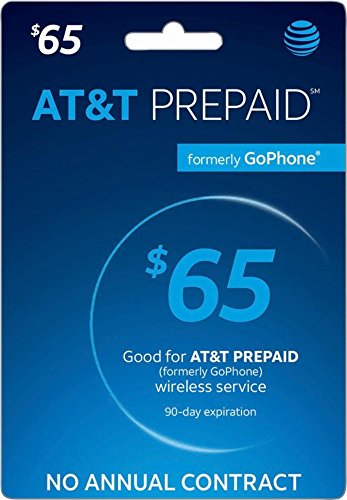
AT&T Prepaid Card $65 – AT&T Prepaid Refill Top-Up Card $65
Compatible with most AT&T Prepaid mobile phones
As an affiliate, we earn on qualifying purchases.
As an affiliate, we earn on qualifying purchases.
Frequently Asked Questions
Are Payroll Cards Suitable for All Types of Employees?
Payroll cards aren’t suitable for all employees. They work well for those valuing employee convenience and needing easy card accessibility, especially workers without bank accounts. However, some employees might prefer traditional banking options or face fees with payroll cards. You should consider your employees’ preferences and financial situations to determine if payroll cards offer the right balance of convenience and accessibility for your team.
How Do Payroll Cards Compare to Direct Deposit Benefits?
Payroll cards have limitations, like fees and limited access, which can be inconvenient. In contrast, direct deposit offers advantages such as free, immediate access to your paycheck, and enhanced security. You’ll find direct deposit more reliable and cost-effective, with fewer restrictions. If you want convenience without the drawbacks of payroll cards, choosing direct deposit guarantees you get your funds safely and promptly, without unnecessary fees or limitations.
What Are the Potential Security Risks of Payroll Cards?
Sure, your payroll card is a shining beacon of security—until fraud sneaks in. You risk identity theft if fraud prevention measures falter or data encryption weakens. Hackers love to exploit unencrypted data or poor security controls, turning your paycheck into a playground for thieves. To stay safe, make sure your provider prioritizes data encryption and robust fraud prevention. Otherwise, your hard-earned money could vanish faster than you can say “security breach.”
Can Payroll Cards Be Used Internationally?
Yes, payroll cards can be used internationally, but you should be aware of potential fees. When you use your payroll card abroad, it typically involves international transactions that may include currency conversion fees. These charges can add up, so it’s smart to check with your provider beforehand. Be prepared for possible delays or restrictions, and always review the terms related to international use to avoid surprises.
What Hidden Fees Should Employees Watch Out For?
You should watch out for hidden costs like ATM withdrawal fees, inactivity fees, and foreign transaction charges. Always review fee disclosures carefully, as some payroll cards impose charges for balance inquiries or paper statements. These hidden costs can add up quickly, so it’s essential to understand all potential fees before using your payroll card. Being aware of these charges helps you avoid surprises and manage your money more effectively.

WHonor RFID Blocking Card 20 Pack, Bank Debit Credit Card Protector, Anti-Theft Contactless NFC Blocker, Entire Wallet Protection (20)
Secure Your Information: Simply insert the RFID blocking card into your wallet to protect against digital pickpocketing. Block…
As an affiliate, we earn on qualifying purchases.
As an affiliate, we earn on qualifying purchases.
Conclusion
So, before you plunge into payroll cards, consider whether they’re your golden ticket or a costly trap. Remember, they’re like a double-edged sword—offering convenience but potentially slicing into your funds with fees. Don’t let the shiny promise blind you; weigh the costs carefully. In the end, your financial well-being depends on making smart choices—because a payroll card’s true value isn’t in the promise, but in the reality it delivers.
ATM fee reimbursement payroll card
As an affiliate, we earn on qualifying purchases.
As an affiliate, we earn on qualifying purchases.

EnDoc Blank Check Paper Stock – 3 on a Page Business Checks – 100 Sheets – Check Paper for Printer – Security Features & Laser Compatible with Quickbooks – Blue Diamond
BULK COMPUTER CHECK PAPER – Supply Includes 100 Individual Blank Checks for a Variety of Small & Large…
As an affiliate, we earn on qualifying purchases.
As an affiliate, we earn on qualifying purchases.