

To perform your annual money reset, start by reviewing your income, expenses, debts, and savings to understand your current financial spot. Next, focus on managing debt by paying off high-interest loans and considering refinancing options. Check if your investments match your goals and risk tolerance, and adjust them if needed. Set clear financial goals and track your progress throughout the year. If you want practical tips to make this process easier, keep exploring.
Key Takeaways
- Review your current income, expenses, debts, and savings to understand your financial standing.
- Assess progress on debt repayment and prioritize paying off high-interest debts.
- Reevaluate and diversify your investment portfolio based on your goals and risk tolerance.
- Set specific, measurable financial goals and schedule regular progress check-ins.
- Stay informed on financial strategies, tax laws, and conduct annual reviews to refine your plan.

Have you ever considered that the start of a new year is the perfect opportunity to reset your financial goals? It’s a chance to step back, review your progress, and set a clear plan for the months ahead. A simple financial checkup can help you stay on track, improve your money habits, and build toward your long-term goals. You don’t need to be an expert—just a willingness to assess where you’re at and make intentional adjustments.
Begin by reviewing your current financial situation. Look at your income, expenses, debts, and savings. Knowing exactly where you stand gives you the foundation to make informed decisions. Next, evaluate your debt management. Are you paying off high-interest debts promptly? Could you consolidate or refinance any loans to reduce interest costs? Prioritizing debt repayment can free up cash flow, reduce stress, and improve your credit score. It’s about creating a manageable plan so you’re not overwhelmed by debt but instead steadily working toward eliminating it.
Review your finances, prioritize debt repayment, and create a manageable plan to reduce stress and build financial stability.
Once you’ve tackled debt management, shift your focus to your investment strategies. Are your investments aligned with your goals and risk tolerance? Are you diversifying enough to protect against market fluctuations? If you haven’t reviewed your portfolio recently, now’s the time. Adjustments might be necessary to optimize growth or to shift towards more conservative investments if your risk appetite has changed. The key is to guarantee your investments are working efficiently for you, and that you’re not missing opportunities to grow your wealth. Additionally, understanding the importance of contrast ratio can help you appreciate how visual quality impacts your home cinema experience, much like how well-balanced investments enhance your financial picture. Staying informed about financial tools and resources can further empower you to make smarter decisions.
A vital part of your annual money reset is setting specific, measurable goals. Whether it’s saving for a house, building an emergency fund, or boosting your retirement contributions, clear goals help keep you motivated. Break down those goals into smaller, actionable steps, and schedule regular check-ins to track your progress. Automating savings and investments can make sticking to your plan easier; it takes the effort out of manual transfers and keeps your money working behind the scenes.
Finally, take time to educate yourself. Read about new investment strategies, financial tools, or changes in tax laws that might affect your plans. The more informed you are, the better choices you’ll make. Remember, a financial checkup isn’t a one-time event—it’s a recurring process that helps you stay aligned with your ambitions. By dedicating a little time each year to review and refine your finances, you set yourself up for a more stable, confident financial future.
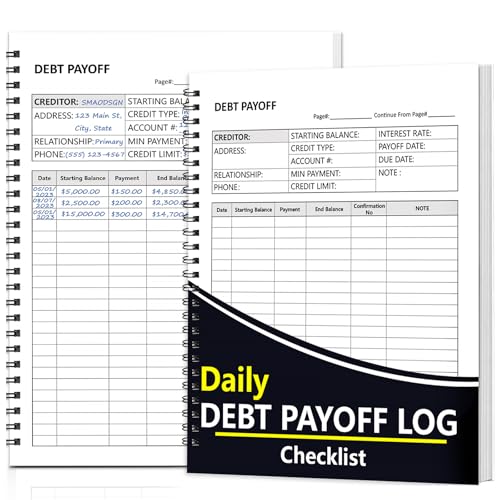
Debt Payoff Planner Spiral Bound Letter Size Debt Payoff Tracker 8.5×11 Inch Bill Payment Tracker Notebook Double Printed Financial Planner Monthly Expense Tracker for Credit Cards Payment 110 Pages
Comprehensive Debt Management Tool:The debt payoff planner log offers a detailed table design to help users manage debt…
As an affiliate, we earn on qualifying purchases.
As an affiliate, we earn on qualifying purchases.
Frequently Asked Questions
How Often Should I Review My Financial Goals?
You should review your financial goals at least once a year, especially during your annual money reset. This helps you adjust your investment strategies and make sure your emergency fund still meets your needs. Life changes, market fluctuations, or new priorities can impact your goals, so regular check-ins keep you on track. Don’t forget to evaluate progress, set new targets, and refine your approach for continued financial growth.
What Tools Can Help Track My Spending Effectively?
To track your spending effectively, use tools that facilitate budget tracking and expense categorization. Apps like Mint, YNAB, or PocketGuard help you monitor your income and expenses daily, categorize spending automatically, and set financial goals. These tools give you real-time insights, help spot overspending, and keep your budget balanced. Regularly using them guarantees you stay on top of your finances, making smarter decisions and achieving your financial goals with confidence.
How Do I Prioritize Debt Repayment During a Reset?
To prioritize debt repayment during your reset, start with the debt snowball method—pay off the smallest balance first to build momentum. Simultaneously, consider interest prioritization by focusing on high-interest debts to reduce overall costs faster. Make consistent payments, and once a debt is cleared, roll its payment into the next. This approach boosts motivation and accelerates your journey toward financial freedom.
When Is the Best Time of Year to Do This Reset?
Think of your financial reset as planting a garden; the best time is right after the last harvest, in late winter or early spring. This period allows you to tackle seasonal budgeting and recover from holiday spending, clearing the soil for new growth. Doing it now helps you set fresh goals and avoid holiday debt, making your financial landscape healthier and more productive year-round.
How Can I Stay Motivated to Maintain Financial Habits?
To stay motivated, focus on practicing budget mindfulness daily, reminding yourself of your financial goals. Celebrate small wins to reinforce positive habits, and visualize how your savings discipline will benefit your future. Keep your goals visible, like on a fridge or planner, to maintain motivation. Regularly reviewing your progress helps you stay committed, making it easier to sustain healthy financial habits over the long term.

ACrypto Bitcoin Portfolio Price Alert Tracker
Interactive price and volume charts for all cryptocurrencies
As an affiliate, we earn on qualifying purchases.
As an affiliate, we earn on qualifying purchases.
Conclusion
Think of your financial health like tending a garden—regular checkups keep everything thriving. Just last year, I missed my annual reset and watched my savings wilt. But once I took a moment to reassess, I noticed areas to nurture and grow. Doing your own quick financial checkup each year is like watering your garden—small efforts reap big rewards over time. So, grab your tools, and give your money a fresh start today!

ABC Cash Receipts Journal – 10 Column Disbursement Journal. Ten-Column Disbursement Journal Tracks Checks, Fund transfers, withdrawals, Automatic payments and deposits.
Handy spiral binding lets book lay flat when open.
As an affiliate, we earn on qualifying purchases.
As an affiliate, we earn on qualifying purchases.

Goal Planning Notepad – A5 Goal Setting Journal For Project Action Plan,Task Management, Personal Development & Track Goals. Productivity Notepad For Daily Work & School – 54 Sheets
GOAL PLANNING NOTEPAD – The Goal setting notebook features a highly effective template that will help you to…
As an affiliate, we earn on qualifying purchases.
As an affiliate, we earn on qualifying purchases.