
SIPC mainly protects your securities like stocks and bonds, along with cash held at your brokerage, if it fails financially. It doesn’t cover investment losses due to market drops or poor decisions. The protection caps at $500,000 per customer, including $250,000 for cash. Assets outside your brokerage account, commodities, futures, or foreign currencies aren’t covered. To truly safeguard your investments, it’s essential to understand what SIPC covers—and what it doesn’t—so you can manage risks effectively.
Key Takeaways
- SIPC protects securities like stocks and bonds, as well as cash held at a brokerage, in case of broker insolvency.
- It does not cover investment losses caused by market fluctuations or poor investment decisions.
- Coverage is limited to $500,000 per customer, including up to $250,000 for cash claims.
- It does not insure commodities, futures, foreign currencies, or assets outside the brokerage account.
- Segregated accounts may offer additional protection but are not guaranteed to extend SIPC coverage.

Have you ever wondered what happens to your investments if your brokerage firm fails? It’s a valid concern, especially considering how much of your financial future depends on these investments. The good news is that the Securities Investor Protection Corporation (SIPC) offers a layer of protection, but it’s essential to understand what SIPC really covers and where its limits lie. When you open an account with a brokerage, you’re protected by certain investor protections designed to safeguard your assets if the firm encounters financial trouble. However, SIPC coverage isn’t the same as traditional insurance, like what you might have with a bank account. Instead, it’s a specialized protection focused on specific types of securities and cash held at the brokerage.
SIPC primarily protects against the loss of securities and cash if your brokerage firm goes bankrupt or faces financial difficulties. This means that if your broker fails, SIPC steps in to help recover your securities, such as stocks and bonds, or cash held in your account. But it’s *vital* to understand the insurance limitations here. SIPC does not protect against losses due to market fluctuations or poor investment choices. If your investments decline in value because of market risk, SIPC won’t compensate you for those losses. Its protections are limited to situations where the broker cannot return your assets because of insolvency, not because your investments simply dropped in price.
While SIPC provides a safety net, it’s not absolute. The protections are capped at $500,000 per customer, including a maximum of $250,000 for cash claims. This means that if your account holds assets exceeding those limits, you might not recover everything in the event of a broker’s failure. Plus, SIPC coverage does not extend to commodities, futures, or foreign currencies. It also doesn’t cover investments purchased outside the brokerage account, such as real estate or private placements. Understanding these coverage boundaries is crucial for effective portfolio management and risk mitigation. It’s also worth noting that some brokerage firms may hold assets in segregated accounts, which can provide an extra layer of protection beyond SIPC coverage, though this is not guaranteed.
SIPC caps protections at $500,000, with $250,000 for cash; it doesn’t cover commodities, futures, or outside investments.
It’s also important to recognize that SIPC protection applies to securities and cash, but not to other types of investments or assets. Understanding these boundaries helps you manage your expectations and plan accordingly. Furthermore, being aware of coverage limits can help you make informed decisions about how to diversify your holdings effectively. While SIPC offers significant investor protections, it’s essential to recognize its limitations. It’s not a guarantee that your investments will be safe from market risks, only that your assets will be protected if your brokerage collapses financially. To stay fully protected, consider diversifying your holdings and understanding which assets are covered by SIPC. Being informed allows you to better safeguard your financial future against unforeseen broker failures.
SIPC protection for stocks and bonds
As an affiliate, we earn on qualifying purchases.
As an affiliate, we earn on qualifying purchases.
Frequently Asked Questions
Does SIPC Cover International Investments?
SIPC doesn’t cover international investments directly, as its protections focus on U.S. brokerage accounts. While global regulations influence foreign markets, SIPC’s primary role is safeguarding your assets within U.S.-based brokerages. If you invest in foreign stocks through a U.S. broker, SIPC might help if the firm fails, but it doesn’t protect against losses from international market fluctuations or foreign regulations. Always understand the limits of SIPC coverage regarding international investments.
How Quickly Are Claims Processed by SIPC?
When you file a claim with SIPC, processing times vary but are generally swift, often within a few weeks. For example, an investor’s account was restored in just three weeks after a brokerage failure. SIPC prioritizes investor protections and aims for prompt claim settlement to minimize your financial stress. However, factors like the complexity of the case can delay this process, so staying in touch with SIPC helps guarantee quicker resolution.
Are Cryptocurrencies Protected by SIPC?
Cryptocurrencies aren’t protected by SIPC because of their high cryptocurrency risks and the agency’s limitations. SIPC mainly covers traditional securities like stocks and bonds held in brokerage accounts, not digital assets. If your crypto exchange or broker fails, you won’t get protection from SIPC. It’s essential to understand these limitations and consider other security measures for your digital assets to prevent losses from fraud or platform insolvency.
What Happens if My Broker Commits Fraud?
Imagine your broker as a captain steering your ship through turbulent waters. If they commit fraud, brokerage regulations and investor protections act like lifeboats, helping you recover your lost assets. SIPC steps in to protect securities and cash, but only if the broker’s misconduct involves failure to deliver or misappropriation. Stay vigilant, know your rights, and remember that these protections aim to keep your financial journey secure, even in rough seas.
Can SIPC Cover Investments in Commodities?
SIPC doesn’t cover investments in commodities. Its primary focus is on investment protection for securities like stocks and bonds held in brokerage accounts. If you’re trading commodities or futures, SIPC won’t safeguard you from losses or broker failure related to those assets. You should explore other protections or insurance options specific to commodities trading. Relying solely on SIPC won’t guarantee your commodities investments are protected against broker insolvency or fraud.
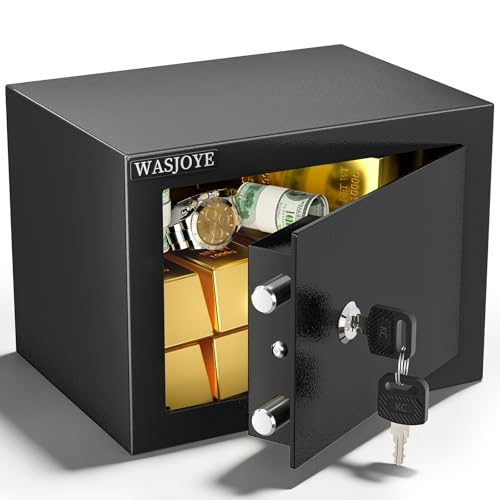
WASJOYE Home Small Safe Box – Key Lock Coffre Fort Steel High Security Safety Box, 0.23 Cubic Feet Steel Safes for Home/Office/Hotel, Small Hidden Safe Box for Money Cash Jewelry Medicine Passport
[Privacy Key Lock] Protect your valuables with the WASJOYE Key Lock Safe Box. Designed with a flat key…
As an affiliate, we earn on qualifying purchases.
As an affiliate, we earn on qualifying purchases.
Conclusion
Understanding SIPC coverage helps you protect your investments more effectively. Remember, SIPC covers up to $500,000 per account, including a $250,000 limit for cash claims, in case your brokerage fails. Did you know that in 2022, SIPC protected over $50 billion in assets? Knowing what’s covered—and what isn’t—empowers you to make smarter decisions and avoid surprises during financial setbacks. Stay informed, stay protected, and keep your investments secure.

New Life Insurance Investment Advisor: Achieving Financial Security for You and your Family Through Today's Insurance Products
As an affiliate, we earn on qualifying purchases.
As an affiliate, we earn on qualifying purchases.

Securities Investor Protection Act of 1970
As an affiliate, we earn on qualifying purchases.
As an affiliate, we earn on qualifying purchases.