Your diet and lifestyle choices can profoundly impact your monthly expenses and health. Eating healthier, like more fruits, vegetables, and oily fish, often costs more but can reduce future healthcare costs related to chronic diseases. On the other hand, choosing fast food or cheaper processed options might save money now but can lead to higher health risks and costs later. Understanding these trade-offs can help you make smarter decisions—and if you keep exploring, you’ll find ways to balance your budget and well-being.
Key Takeaways
- Healthy diets typically cost more, but choosing affordable options can improve nutrition without overspending.
- Higher food spending is linked to increased consumption of fruits and vegetables, reducing long-term healthcare costs.
- Limited access to stores with healthy options or time for cooking can lead to reliance on cheaper, less nutritious foods.
- Socioeconomic factors influence diet quality, affecting both health outcomes and medical expenses over time.
- Making informed shopping choices and investing in healthier foods can prevent costly diet-related diseases.
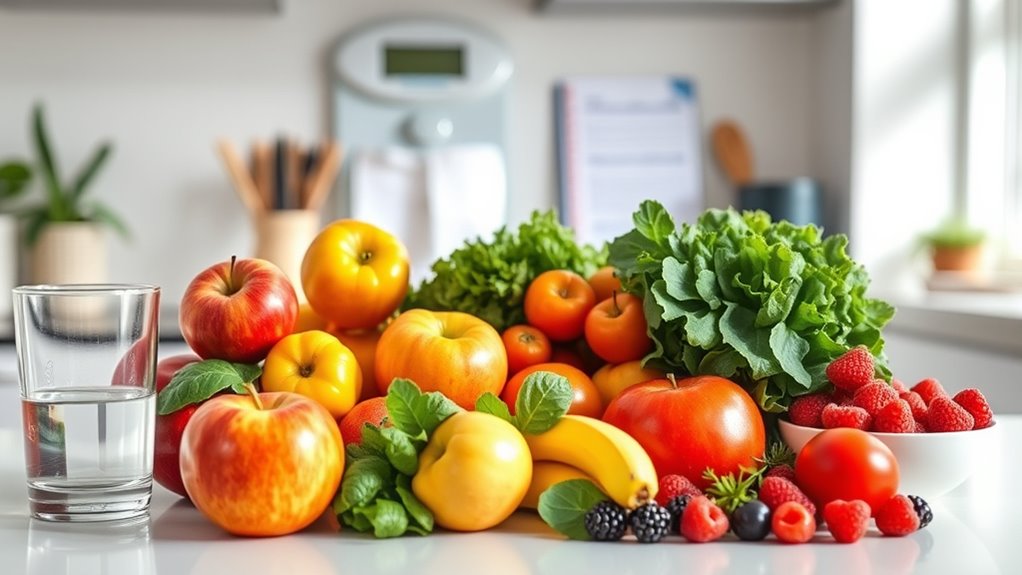
Your diet and lifestyle choices are closely linked to your budget, influencing both your health and expenses. Unhealthy eating habits considerably contribute to healthcare costs, with nearly 20% of U.S. health care spending—about $50 billion annually—being tied to diseases like heart disease, stroke, and diabetes caused or worsened by poor diets. Each year, an individual with cardiometabolic risks faces around $300 in health care costs directly linked to poor nutrition. The main dietary culprits driving these costs are low intake of omega-3-rich foods like nuts, seeds, and seafood, coupled with high consumption of processed meats. Making smarter grocery choices can dramatically cut both your risk of chronic diseases and the expenses tied to managing them. Poor diet accounts for up to 45% of all cardiometabolic deaths in the U.S., highlighting how vital diet quality is not just for your health but also for your wallet.
Socioeconomic factors heavily influence diet quality. Lower-income households tend to eat less fiber, fruit, vegetables, and oily fish, often due to financial constraints. During times of economic stress, families cut back on nutritious foods, opting for cheaper, less healthy options. For example, during the 2008 financial crisis, many reduced their overall food expenditure, shifting toward calorie-dense but nutrient-poor foods. Interestingly, a 20% increase in food spending correlates with about a 6.4%–7.2% rise in fruit and vegetable consumption. This suggests that simply spending more on food, especially in higher-cost supermarkets, enables healthier choices. Better supermarket options, rather than income alone, influence how much people spend and what they buy. Higher social class and access to more expensive stores lead to healthier diets, but supermarket choice remains a more influential predictor of healthy eating habits.
Cost remains the largest barrier to a healthy diet for nearly half of Americans. About 46% see healthy foods as too expensive, which discourages many from eating well regularly. Fast food is a common alternative, with 45% of Americans eating it at least weekly, especially among younger generations. In the UK, rising living costs prevent 37% of households from affording nutritious foods, with lower-income families (<£20k/year) reporting this issue at 53%. Limited access to stores with healthy options affects around 20% of Black Americans and 15% of White Americans. Time constraints and lack of cooking skills also hinder healthy eating. Globally, the average cost of a healthy diet is $4.46 per day, but about 2.6 billion people can’t afford it, especially in low-income regions like Sub-Saharan Africa. Animal-based foods and vegetables tend to be the most costly components worldwide, making affordability a persistent challenge. In fact, dietary quality is also strongly linked to overall economic development and food systems. Higher food expenditure generally leads to better food choices, such as more fruits and vegetables and fewer processed, unhealthy foods. Both social class and supermarket choice influence how much you spend and what you buy, but choosing the right store can matter more than income alone. Even within lower-income groups, significant variation exists based on where people shop. Those in higher expenditure brackets tend to consume more nutritious foods, especially fruits and vegetables. Moving up just one expenditure level can noticeably improve diet quality, underscoring how your shopping choices and spending habits directly impact your health and your budget.
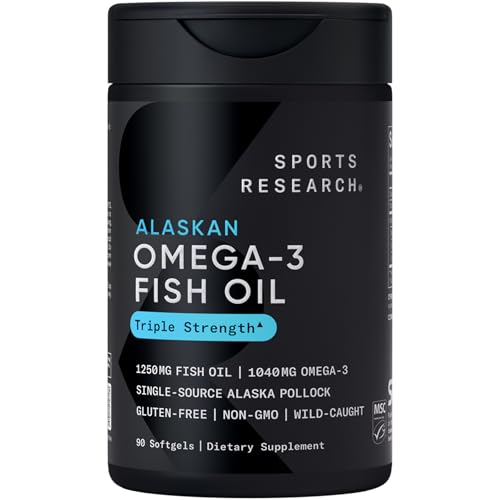
Sports Research® Omega-3 Fish Oil 1250mg from Wild Alaska Pollock, 90 Count
- Fresh and Fishy-Free: No fishy aftertaste or burps
- High Potency Omega-3: 1250mg fish oil per softgel
- Optimal EPA and DHA: 690mg EPA and 260mg DHA per capsule
As an affiliate, we earn on qualifying purchases.
As an affiliate, we earn on qualifying purchases.
Frequently Asked Questions
How Do Healthy Eating Habits Impact Long-Term Financial Savings?
Healthy eating habits save you money over time by reducing healthcare costs and preventing chronic illnesses. When you focus on nutritious, home-cooked meals instead of fast food or takeout, you spend less on dining out and convenience foods. Plus, maintaining a balanced diet boosts your energy and productivity, which can lead to better job performance and earnings. Ultimately, investing in your health now pays off financially in the long run.
Can Lifestyle Changes Reduce Healthcare Costs Over Time?
Changing your lifestyle is like planting seeds for a healthier future, and those seeds can grow into significant savings. When you adopt regular exercise, nutritious eating, and stress management, you reduce the risk of costly illnesses. Over time, these healthy habits act as a shield, lowering your healthcare expenses and keeping your wallet from taking a hit. Small daily choices can create a financial cushion you’ll thank yourself for later.
What Are the Hidden Expenses of Maintaining a Trendy Diet?
Trendy diets often come with hidden expenses like specialized foods, supplements, and pricey ingredients that can quickly add up. You might find yourself buying exclusive snacks or superfoods that aren’t budget-friendly. Plus, if you join clubs or apps for guidance, those costs can surprise you. These expenses can strain your finances over time, making it important to weigh the benefits against the costs before diving into the latest diet craze.
How Does Meal Planning Influence Overall Household Budget?
Meal planning can save your household budget more than you imagine—it’s like finding a secret treasure chest! When you plan meals, you buy only what you need, reducing waste and impulsive splurges. It helps you compare prices, hunt for deals, and avoid last-minute takeout costs. With a solid plan, you control your spending, making your money stretch further and ensuring your family eats well without breaking the bank.
Are There Affordable Ways to Adopt a Healthier Lifestyle?
Yes, you can adopt a healthier lifestyle without overspending. Focus on cooking simple, nutritious meals at home instead of eating out. Buy seasonal fruits and vegetables, which are often cheaper and fresher. Incorporate physical activity like walking or home workouts instead of costly gym memberships. Plan your meals and shop with a list to avoid impulse buys. These small changes save money while boosting your health.

The Well Plated Cookbook: Fast, Healthy Recipes You'll Want to Eat
As an affiliate, we earn on qualifying purchases.
As an affiliate, we earn on qualifying purchases.
Conclusion
Your diet and lifestyle are the compass guiding your financial journey. Every healthy choice you make is like planting seeds for a thriving future, while costly habits can trap you in a storm of expenses. By steering thoughtfully, you’re crafting a path paved with balance and savings. Remember, small mindful steps today are the brushstrokes shaping your financial masterpiece tomorrow—your budget’s garden blooms brightest when nurtured with care and intention.

30 Pack Natural Pulp Fiber Berry Basket,Small Molded Produce Vented Basket
- Product Size: 4.3 x 4.3 x 2.76 inches
- Quantity Included: 30 vented produce baskets
- Material: Sturdy paper pulp fiber
As an affiliate, we earn on qualifying purchases.
As an affiliate, we earn on qualifying purchases.

Bentgo Prep Meal Prep Containers with Lids, 20 Piece, PFAS & BPA-Free
- Top Brand for Meal Prep: Bentgo is the leading meal prep brand
- Complete 20-Piece Set: Includes 20 lightweight, portable containers
- Supports Healthy Portioning: 4-cup capacity with embossed measurements
As an affiliate, we earn on qualifying purchases.
As an affiliate, we earn on qualifying purchases.