
Giving and receiving feedback at work is key to boosting engagement and performance. Regular, timely conversations help you understand expectations, recognize achievements, and identify areas for growth. Avoid waiting months for meaningful input; instead, seek ongoing, specific feedback that feels constructive and fair. Pay attention to cultural nuances and avoid biases to make sure everyone feels heard and valued. Keep learning how to foster open communication—there’s more to discover that can transform your workplace experience.
Key Takeaways
- Regular, ongoing feedback fosters engagement, motivation, and performance, especially when delivered weekly or throughout the year.
- Managers should provide specific, constructive feedback promptly to address issues and recognize employee efforts effectively.
- Incorporate cultural awareness and equity considerations to ensure feedback is fair, unbiased, and actionable for diverse teams.
- Use diverse methods like 360-degree reviews and strengths-based feedback to promote fairness and continuous development.
- Creating a feedback-rich environment reduces turnover, boosts motivation, and helps employees feel heard and valued.

Have you ever wondered why feedback at work often misses the mark? It’s because many organizations overlook what employees truly want and need from feedback. Most employees—about 80%—prefer ongoing conversations rather than waiting for annual reviews. Yet, only a fraction of workers—roughly 20%—actually receive weekly feedback, even though many managers believe they’re providing it more often. This disconnect means employees often wait over three months for meaningful input, risking disengagement and frustration. In fact, 65% of employees say they want more feedback than they’re currently getting, especially among Gen Z workers who value timely, constructive input throughout the year. Employee engagement increases four times more with meaningful feedback than with simply working the “right” office days (Gallup, 2023). Feedback plays an essential role in engagement, motivation, and performance. When you receive regular input, you’re more likely to take initiative—85% of employees report increased proactivity with ongoing feedback. Conversely, those who get little or no feedback tend to disengage, with 41% feeling disconnected. Highly engaged employees tend to hear from their managers at least weekly—43% of them—compared to just 18% of less engaged workers. Recognition from management makes a pivotal difference; employees who feel acknowledged are 69% more likely to perform better. Teams that stay motivated and receive consistent feedback are also more profitable, with studies showing a 21% boost in profitability among highly engaged groups. Furthermore, the majority of employees—96%—view regular feedback positively, emphasizing its importance for their work. Despite these benefits, traditional feedback systems often fall short. Only 14% of employees strongly agree that performance reviews motivate improvement. Meanwhile, 95% of managers find these reviews frustrating because they’re time-consuming and complex. HR leaders frequently believe traditional evaluations don’t accurately reflect individual contributions, and nearly 75% of millennials feel unsure about their performance or how to improve. This lack of clarity can lead to dissatisfaction, with 85% of employees considering quitting after unfair assessments. Feedback also impacts retention markedly. Companies that implement regular feedback see nearly 15% lower turnover rates. Yet, many employees—41%—have left jobs because they felt unheard. Strength-based feedback can further reduce turnover, but only 36% of workers feel genuinely engaged at work, and many report not being recognized for their efforts. Additionally, understanding the cultural nuances involved in feedback processes can significantly improve communication effectiveness and fairness across diverse teams. Disparities exist, too: women receive more personality-based feedback and are more likely to be rated poorly, while Black and Latinx employees get more non-actionable feedback and lower ratings, highlighting persistent bias and inequity. To improve, organizations are turning to innovative methods like 360-degree feedback, regular surveys, and skills tracking, which provide a more all-encompassing and fair view of performance. These approaches foster a culture of continuous growth, fairness, and engagement—key to closing the feedback gap and building stronger workplaces.

COLAMY High Back Executive Office Chair - Padded Leather Ergonomic Computer Desk Chair with Inflatable Lumbar Support & Flip-Up Arms, Adjustable Tilt Lock Swivel Task Chair for Home Office, Black
【CUSTOMIZABLE INFLATABLE LUMBAR SUPPORT】 Unlike standard chairs with fixed padding that barely touches your back, this ergonomic office...
As an affiliate, we earn on qualifying purchases.
Frequently Asked Questions
How Can I Give Feedback to a Superior Effectively?
You can give feedback to a superior effectively by being clear and respectful. Start with specific examples, focus on the behavior, not the person, and keep your tone constructive. Use “I” statements to express how the issue affects you and suggest solutions. Choose an appropriate time and private setting, and stay calm. This approach shows respect, encourages listening, and increases the chances your feedback will be well-received.
What Are Common Mistakes to Avoid When Receiving Feedback?
When receiving feedback, avoid taking it personally, becoming defensive, or dismissing the input. Instead, listen actively, ask clarifying questions, and reflect on the message. Don’t interrupt or rush to justify your actions. Stay open-minded, show appreciation, and focus on improving. These mistakes hinder growth and understanding, so recognizing them helps you turn feedback into a valuable tool for development and stronger professional relationships.
How Do Cultural Differences Influence Feedback Practices?
Cultural differences can substantially shape how you give and receive feedback. You might find that in some cultures, direct criticism feels uncomfortable, so you prefer subtle hints. In others, directness is valued for clarity. To navigate this, pay attention to cultural norms, adapt your approach accordingly, and stay respectful. By understanding these differences, you guarantee your feedback is received positively and fosters better communication across diverse teams.
What Tools or Apps Assist in Providing Feedback at Work?
Did you know that 85% of employees find real-time feedback more effective? You can use tools like Slack or Microsoft Teams for instant messaging, which makes giving quick, informal feedback easy. Apps like TinyPulse or 15Five help track progress and gather anonymous input, fostering honest communication. These tools streamline feedback, boost engagement, and help you improve team performance effortlessly. Embrace technology to enhance your feedback process today.
How Often Should Feedback Sessions Be Held in a Team?
You should hold feedback sessions with your team at least once a month to foster continuous improvement and open communication. Regular check-ins help address issues early and celebrate successes promptly. If your team is larger or projects are more complex, consider bi-weekly meetings. Keep the sessions consistent, and encourage everyone to share honest, constructive feedback. This approach builds trust, enhances performance, and keeps everyone aligned with team goals.
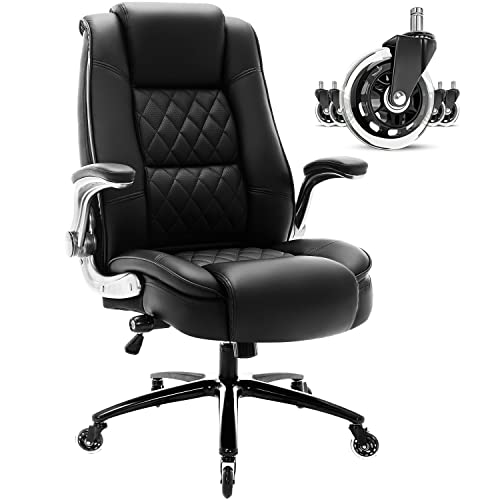
High Back Office Chair- Flip Arms Adjustable Built-in Lumbar Support, Executive Computer Desk Chair Work Chairs, Thick Padded Strong Metal Base Quiet Wheels, Ergonomic Design for Back Pain
【Sit Proud And Tall At Your Desk】If you need a comfortable office chair, the EZAKI big tall office...
As an affiliate, we earn on qualifying purchases.
Conclusion
Remember, giving and receiving feedback is like tending a garden—you nurture growth with honesty and care. When you embrace constructive criticism, it’s like sunlight guiding your path forward; when you offer it kindly, you water trust and understanding. Together, you cultivate a workplace where ideas bloom and relationships thrive. Keep your communication clear and open, and watch your professional garden flourish, blossoming with progress and harmony every day.

Office Desk Chair, Ergonomic Computer Chair with Padded Flip-Up Arms and Adjustable Lumbar Support, PU Leather Executive Chair with Tilt Lock and 360° Swivel Rolling Wheels for Work, Study
【Installation/Other Issues】Our office chair package includes an installation guide, and detailed setup steps are available on our product...
As an affiliate, we earn on qualifying purchases.

YFO Home Office Desk Chair Office Rubber Casters Ergonomic Computer Chair with Lumbar Support Adjustable Height Rolling Swivel Executive Task Armrests Chair, Brown Leather
𝐄𝐫𝐠𝐨𝐧𝐨𝐦𝐢𝐜 𝐇𝐨𝐦𝐞 𝐎𝐟𝐟𝐢𝐜𝐞 𝐃𝐞𝐬𝐤 𝐂𝐡𝐚𝐢𝐫: By increasing the sponge on the back of the chair. The back is...
As an affiliate, we earn on qualifying purchases.