

To boost your credit score in 90 days, start by checking your credit reports from all three bureaus and correcting any errors. Focus on paying bills on time, reducing your credit utilization below 30%, and avoiding new credit inquiries. Keep old accounts open to maintain a longer credit history. Tracking your progress helps you make adjustments. Keep going, and you’ll soon see how these steps can markedly improve your score.
Key Takeaways
- Pay all bills on time and set up automatic payments to improve your payment history.
- Reduce credit utilization below 30% by paying down existing balances.
- Avoid opening new accounts or inquiries to prevent lowering your score.
- Keep old credit accounts open to maintain length of credit history.
- Regularly monitor your credit reports for errors and dispute inaccuracies promptly.
As an affiliate, we earn on qualifying purchases.
Assess Your Current Credit Standing and Set Clear Goals
To effectively improve your credit score, start by evaluating your current credit standing and setting clear goals. Obtain your credit reports from Experian, Equifax, and TransUnion to verify all information is accurate and complete. Review your credit scores from models like FICO and VantageScore, noting any discrepancies or errors, such as outdated accounts or fraud. Pay attention to recent activity, including new inquiries or accounts, which can impact your score. Understand the key factors influencing your score: payment history, credit utilization, account age, and credit mix. Use this insight to set specific goals, like lowering your utilization below 30%, paying off debts, or correcting report errors. Credit scoring algorithms analyze this data to provide a quick, numerical risk estimate, helping you prioritize actions that will most effectively boost your score. Recognizing the influence of personal behavior and financial habits can further guide your efforts. Building good credit habits such as making timely payments and maintaining low credit utilization can significantly impact your score over time. Developing an understanding of vetted financial products and safe credit practices can help you make smarter decisions that support your credit improvement journey. Clear goals give you direction and help track progress effectively.
secured credit card for building credit
As an affiliate, we earn on qualifying purchases.
As an affiliate, we earn on qualifying purchases.
Implement Targeted Strategies to Improve Your Credit Profile
Implementing targeted strategies can substantially boost your credit profile by addressing key factors that influence your score. First, focus on lowering your credit utilization ratio by paying down balances and keeping them below 30% of your credit limits. Paying before statement closing dates can help report lower balances. Consistently making on-time payments is essential, as your payment history impacts over 35% of your score; automate or set reminders to avoid missed payments. Keep long-standing accounts open to maintain your credit age, and avoid closing old or unused accounts. Utilize tools like becoming an authorized user or credit-building products, such as secured cards or small loans, to enhance your credit mix. Finally, reduce outstanding debt and avoid new inquiries to keep your credit profile strong during this improvement period. Additionally, understanding your credit report can help you identify errors or outdated information that may be negatively impacting your score.
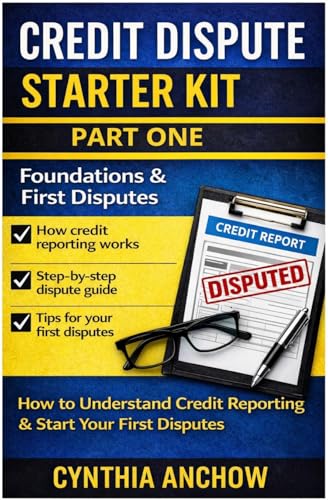
Credit Dispute Starter Kit: A Step-by-Step Guide to Disputing Errors, Collections, and Inaccurate Credit Reporting
As an affiliate, we earn on qualifying purchases.
As an affiliate, we earn on qualifying purchases.
Monitor Progress and Adjust Your Plan for Maximum Results
Monitoring your credit regularly is essential for tracking progress and making informed adjustments to your strategy. By staying vigilant, you can spot trends, identify errors, and respond quickly to changes. Here are key steps to maximize results:
Regular credit monitoring helps you stay on top, spot issues early, and improve your score faster.
- Use credit monitoring tools like Experian for real-time alerts on inquiries, accounts, and personal info updates. Credit monitoring tracks activity on your credit reports, alerting you to suspicious or incorrect changes. Incorporating credit report accuracy checks can prevent errors from negatively impacting your score. Additionally, understanding the expiration of credit information helps ensure your data remains current and reliable.
- Review your credit reports annually from all three bureaus, or more often with accounts like myEquifax, to catch inaccuracies. Regular reviews help maintain financial health by catching issues early.
- Set alerts for significant score changes to stay proactive and investigate causes immediately.
- Utilize credit score simulators and dashboards to test hypothetical scenarios and refine your plan.
Consistent monitoring helps you adapt strategies, prevent fraud, and accelerate your credit improvement within 90 days.

8 Digit Silver and Black Ultra Thin Solar Power Calculator with Touch Screen Credit Card Design Portable Mini Calculator for Business School Basic Office
- Compact Size: Credit card slim design
- Eco-Friendly Power: Solar powered operation
- Touch Screen Interface: Easy and precise input
As an affiliate, we earn on qualifying purchases.
As an affiliate, we earn on qualifying purchases.
Frequently Asked Questions
Can Paying off Collections Immediately Boost My Credit Score?
Paying off collections doesn’t always boost your credit score immediately. It depends on your scoring model and when the creditor reports the update. In newer models like VantageScore 3.0 and 4.0, paying collections can improve your score or at least reduce negative impact. However, older models like FICO 8 may still penalize paid collections, so the immediate boost isn’t guaranteed. Keep monitoring your report for updates.
How Long Does It Take to See Credit Score Improvements?
Your credit score can improve faster than you think, sometimes in just a few months. Typically, you’ll see progress within 9 months after paying late mortgage payments or 3 months after closing a credit card account. For missed payments, it may take around 18 months to notice significant changes. Consistently making on-time payments and managing credit wisely will accelerate your improvement, making your score a shining beacon of financial health.
Is It Better to Close Old Credit Accounts or Keep Them Open?
When deciding whether to close old credit accounts, it’s usually better to keep them open. Doing so preserves your credit age, helps maintain a low utilization ratio, and shows a history of responsible borrowing. Closing accounts, especially older ones, can lower your score by reducing your credit history length and increasing utilization. Keep your oldest accounts active, especially if they have high limits and good standing, for a healthier credit profile.
Do Multiple Credit Inquiries Within 90 Days Hurt My Score?
While it might seem that multiple credit inquiries within 90 days will tank your score, the truth is nuanced. If you’re rate shopping for auto, home, or student loans, scoring models often treat these inquiries as one, minimizing damage. However, applying for various credit cards or other loans outside this window can cause more noticeable dips. So, stay strategic, limit new applications, and your score remains resilient during this period.
How Does Increasing My Credit Limit Affect My Score?
When you increase your credit limit, it can temporarily lower your score if a hard inquiry is involved, but this impact is usually minor and short-lived. If the increase is granted without a hard inquiry, your score stays the same. Over time, a higher limit helps reduce your credit utilization ratio, especially if you keep spending the same or less, which can boost your credit health and improve your score.
Conclusion
Think of your credit journey as tending a delicate garden. With patience, careful nurturing, and consistent effort, your score blossoms over time. Remember, each responsible choice is a drop of water, feeding growth, while setbacks are just weeds to be pulled—lessons, not failures. Keep your eyes on the horizon, knowing that with dedication, your financial landscape will flourish, revealing a vibrant future where your credit score is the shining sun guiding your path forward.